

The Art of Waiting: Why Patience is Key in Wildlife Photography
Introduction
Wildlife photography is more than a technical pursuit. It is a practice of mindfulness and observation. In an age of instant gratification, slowing down in nature can transform your images and your experience. The most breath-taking wildlife shots often come not from chasing action but from waiting for it.
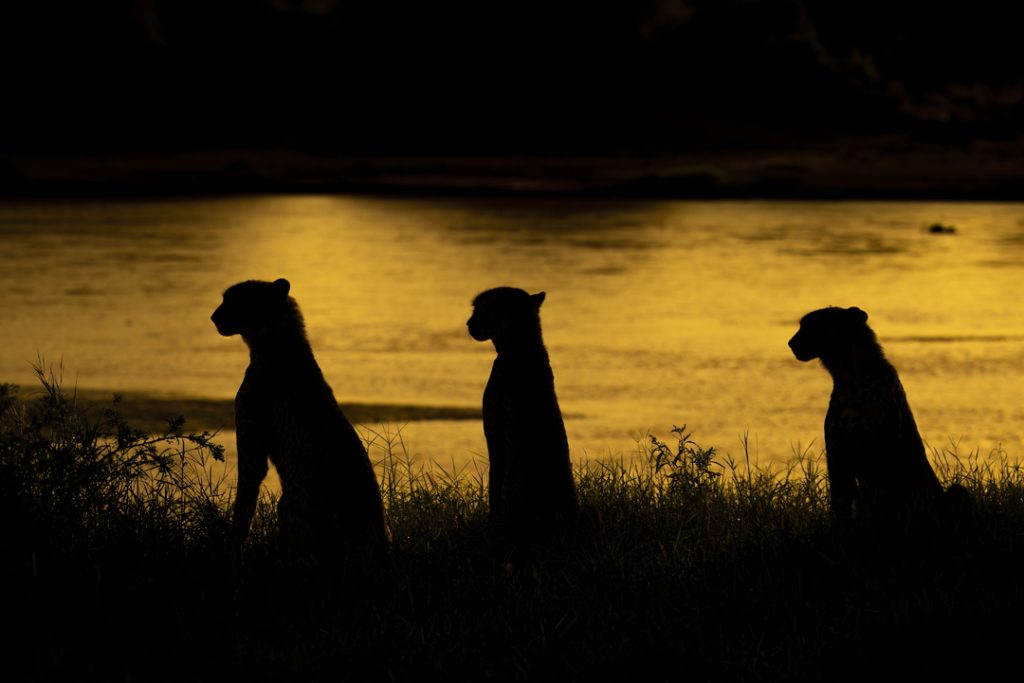
The cheetah image here was created by resisting the temptation to follow the 3 cheetah cubs. Instead we took a chance that they would come to the river so positioned ourselves to get them against the river with the sun set reflecting off of the water.
Why Patience Matters in Wildlife Photography
Animals and birds live by their own rhythms.
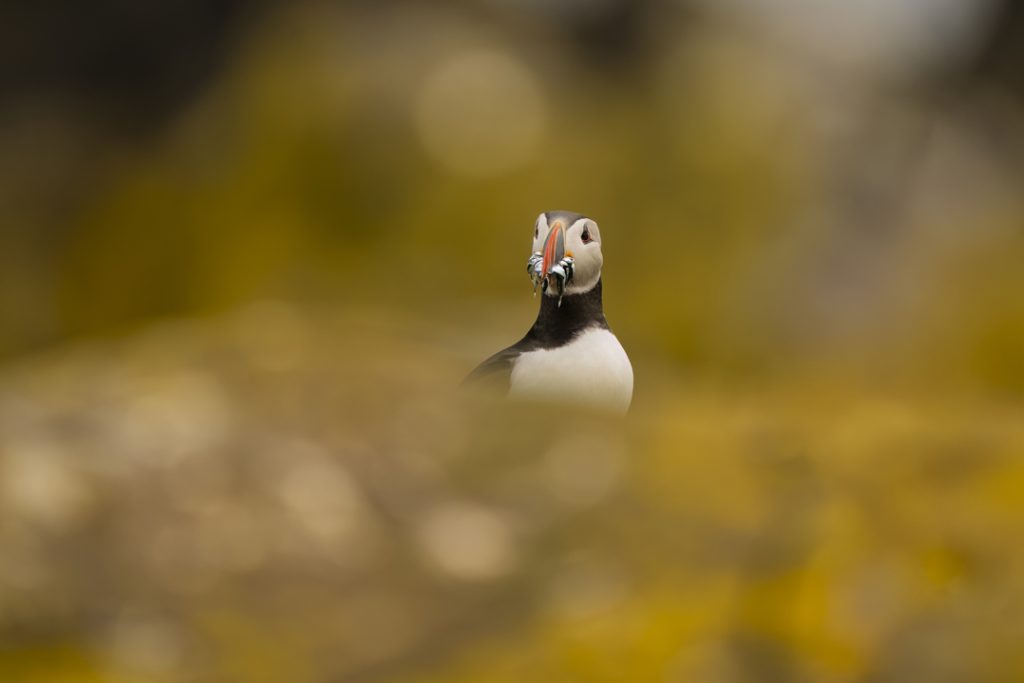
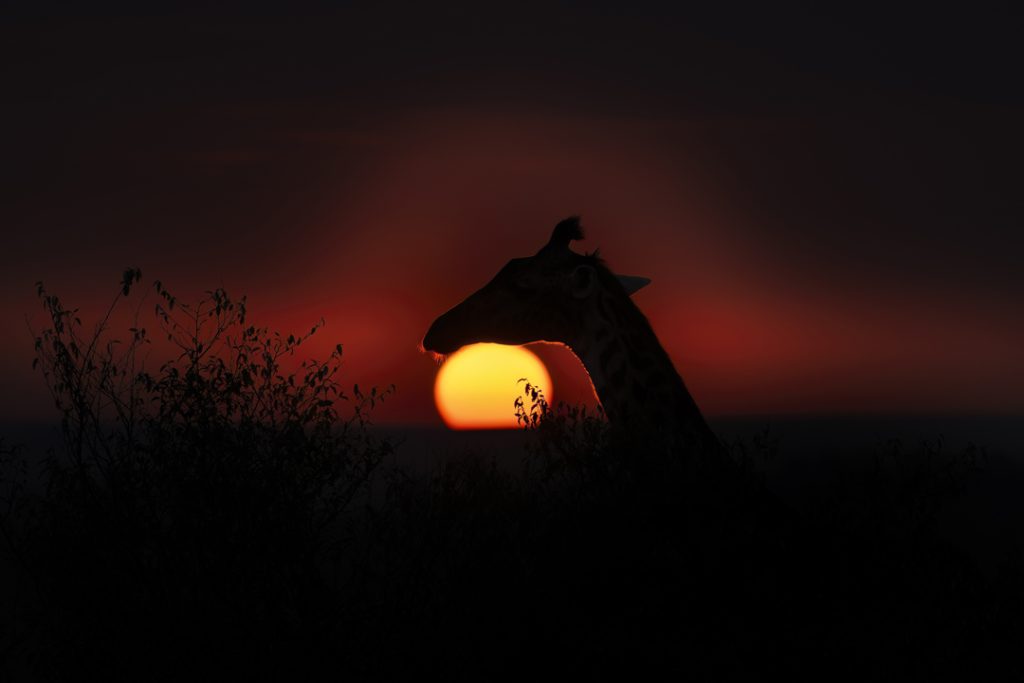
The most captivating moments like a puffin sitting on a rock with a beak full of fish or waiting for the sun to rise to create the illusion that the giraffe is resting its head on the sun don’t happen on cue.
Patience allows you to:
- Observe behavior patterns: Learn feeding times, territorial habits, and seasonal changes.
- Blend into the environment: The longer you remain still, the more wildlife accepts your presence.
- Capture authentic moments: Instead of staged or rushed shots, you’ll document natural behaviours.
- Wait for light – wait for a specific moment where the light is coming from the perfect angle.
- Observe backgrounds – wait for your chosen subject to enter a particular area that you find interesting to photograph.
Insight: Many award-winning wildlife images result from hours, or even days of waiting in one spot for one specific moment.
Practical Tips for Practicing Patience
- Scout Locations Early – Visit your chosen spot ahead of time to understand light, landscape, and animal activity. Apps like eBird or local wildlife guides can help.
- Set Up Comfortably – Bring a lightweight chair or mat, dress in layers, and pack snacks. Comfort helps you stay longer without distraction.
- Use Silent Shooting or Quiet Shutter Mode on a DSLR – Cameras like the Nikon Z9 offer silent mode, reducing disturbance and keeping you discreet.
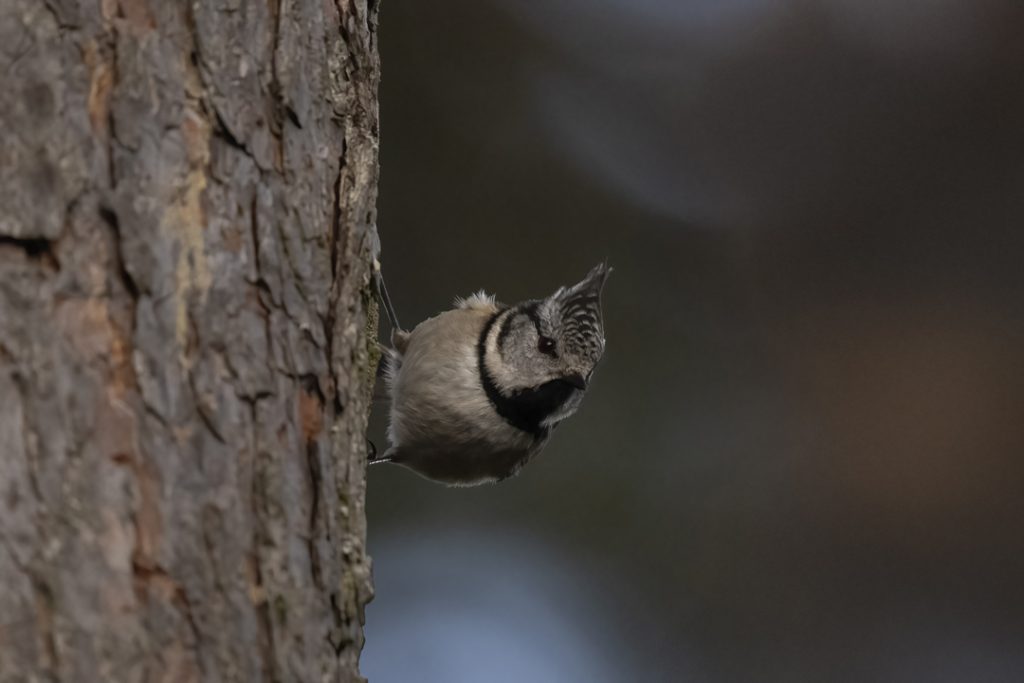
- Focus on One Species – Dedicate time to one subject for deeper storytelling. This approach often yields more intimate and unique images.
Mindset Shift: From Hunting to Observing
Think of wildlife photography as a dialogue with nature. The more you listen and watch, the more nature reveals. Patience isn’t wasted time. It is an investment in extraordinary images.
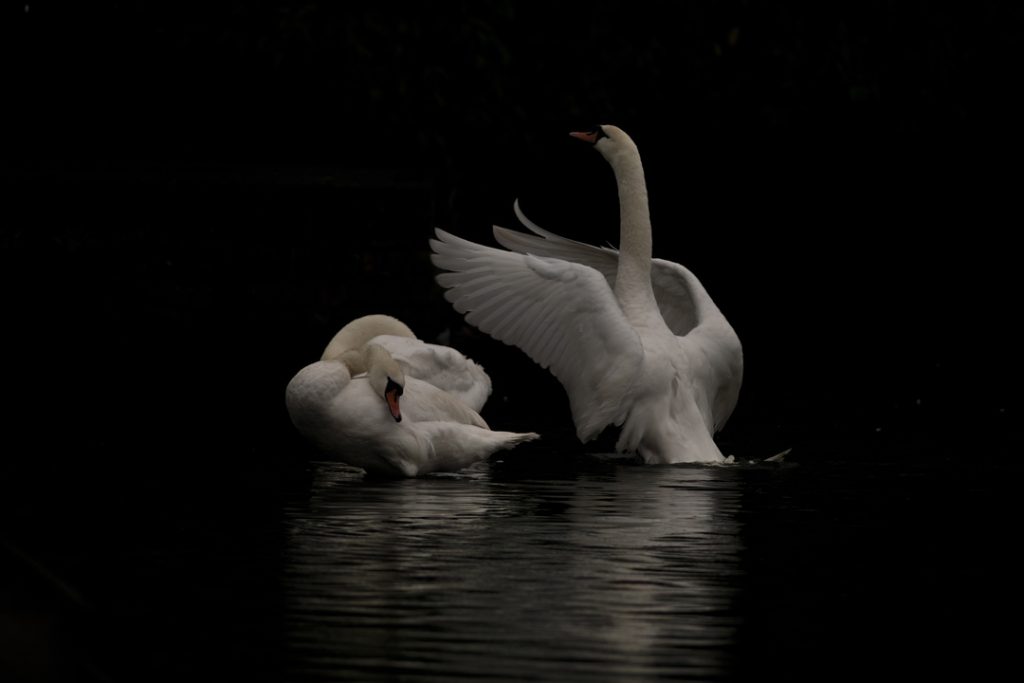
Sometimes you may be out photographing, and you miss a shot. It happens to everyone. But in most cases animals or birds will give you a clue that they are going to do something. For example a swan flapping its majestic wings – they usually spend a lot of time preening their feathers before they do this. If they are preening they will at some point stand up and flap their wings. It is these small behaviour signs that buy you an extra split second and give you that extra bit of time to anticipate what is going to happen, and these signs can only be learnt through patience and observation.
Gear Tips for Patient Shoots
- Tripod or Monopod: Essential for long waits with heavy lenses.
- Weather Protection: Rain covers and waterproof clothing keep you shooting in all conditions.
- Extra Batteries & Memory Cards: Long sessions demand backup power and storage.
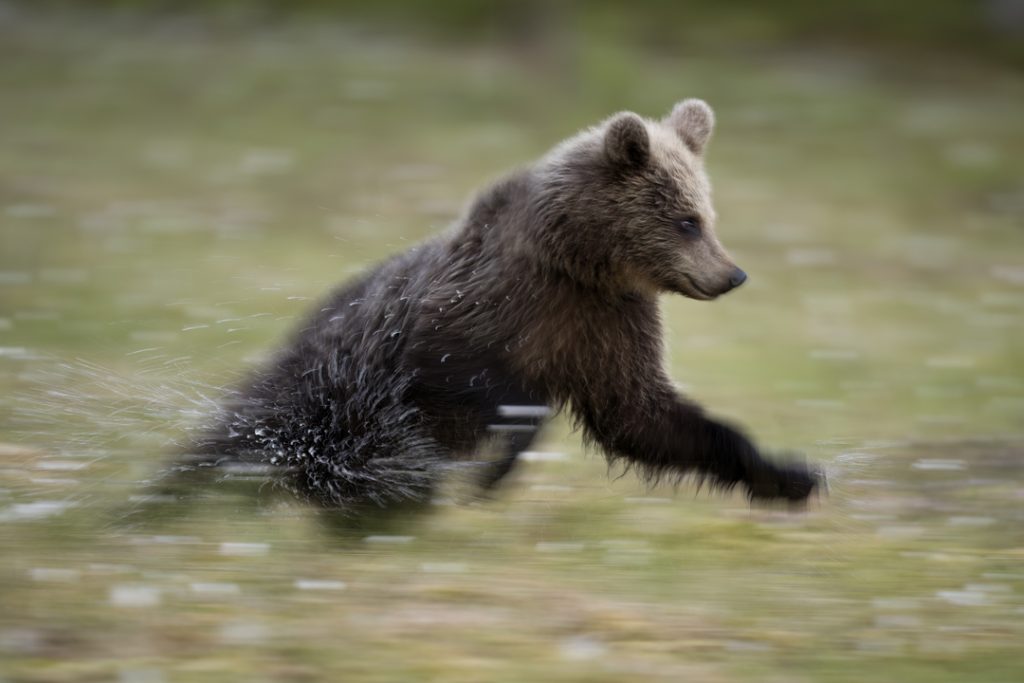
- Set up your camera with the relevant settings to achieve the image that you want – for example slow shutter speeds.
Practical Project
Start your next Wildlife Photography outing with a simple challenge: Spend an hour without taking a single shot. Just observe. You’ll be surprised how much this changes your approach – and your results.
- Observe behaviour – what is interesting or unique about it
- Look for patterns – some birds will repeatedly follow the same route to feed.
- Look for light – does the subject have a favourite place to sit. If it does then what is the best angle to make the most of the light.
- By taking a step back and doing this you will be rewarded with more eye catching images and you will build a more extensive knowledge of a specific species.
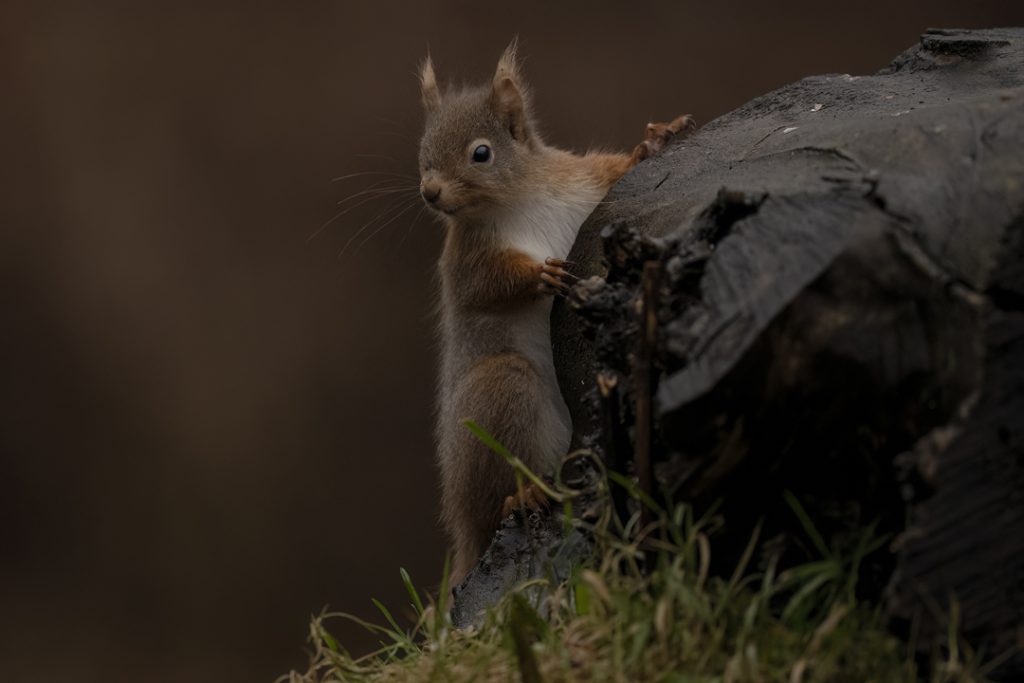
If you become more patient with your approach to your photography then you will find that you will probably shoot less images, but the images that you do take will have more impact. It is a big skill to learn, but if you can develop the art of patience and spend more time observing and looking with your eyes rather than looking at everything through your camera then you will notice a huge difference in your photography.
If you have enjoyed reading this blog post then why not check out some others here. Or if you would like to put this in to practice with a bit of guidance then why not join me on a workshop