
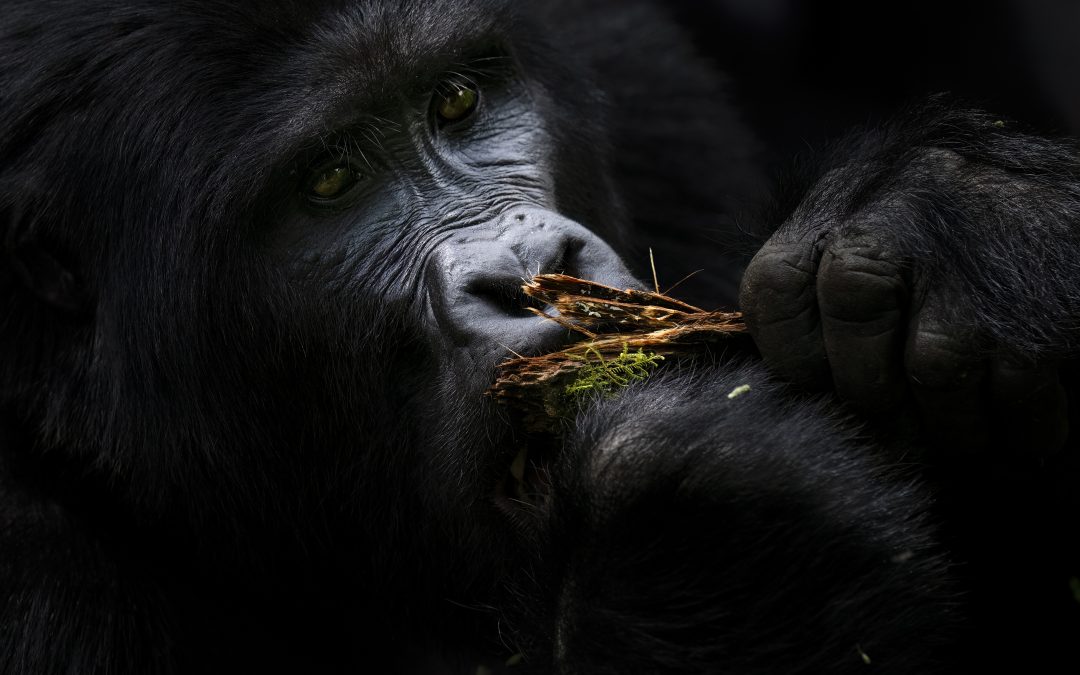
How to Photograph Gorillas and Chimpanzees in Uganda: The Ultimate Photography Guide
Uganda is one of the very few places on Earth where it is possible to photograph mountain gorillas and wild chimpanzees in their natural habitat. For wildlife photographers, this makes Uganda an unparalleled destination—offering intimate, on-foot encounters with our closest living relatives in some of Africa’s most atmospheric forests.
Photographing great apes in Uganda, however, is unlike photographing wildlife on a traditional safari. You are working under strict conservation regulations, in dense rainforest, with challenging light, limited time, and animals that are intelligent, emotional, and keenly aware of your presence. Success depends as much on preparation, ethics, and observation as it does on camera gear.
This comprehensive guide explains how to photograph gorillas and chimpanzees in Uganda responsibly and effectively, covering locations, permits, camera settings, composition, and ethical best practices—so you return with images that are both powerful and respectful.
Why Uganda Is One of the Best Places to Photograph Great Apes
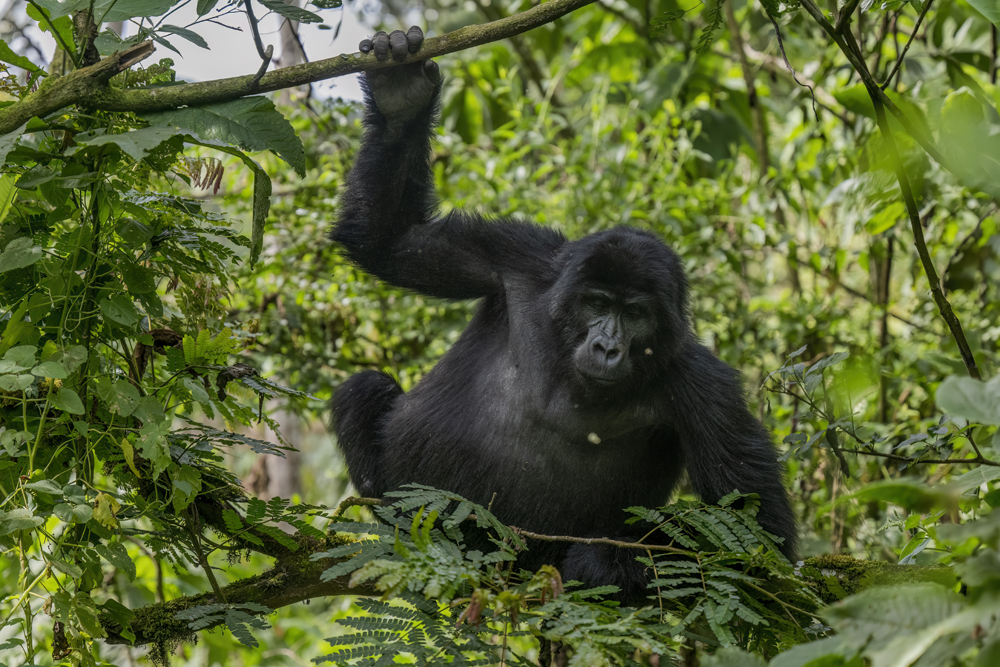
Uganda is often called the “Primate Capital of the World,” and for good reason. The country is home to more than half of the world’s remaining mountain gorillas and one of the largest populations of wild chimpanzees in Africa.
Two key factors make Uganda exceptional for primate photography:
- Habituation programs allow controlled, close-range encounters.
- Conservation-led tourism ensures photography directly supports protection efforts.
For photographers, this means rare access to expressive subjects in visually rich rainforest environments—something few destinations can offer.
Gorilla and Chimpanzee Trekking Rules in Uganda (What Photographers Must Know)
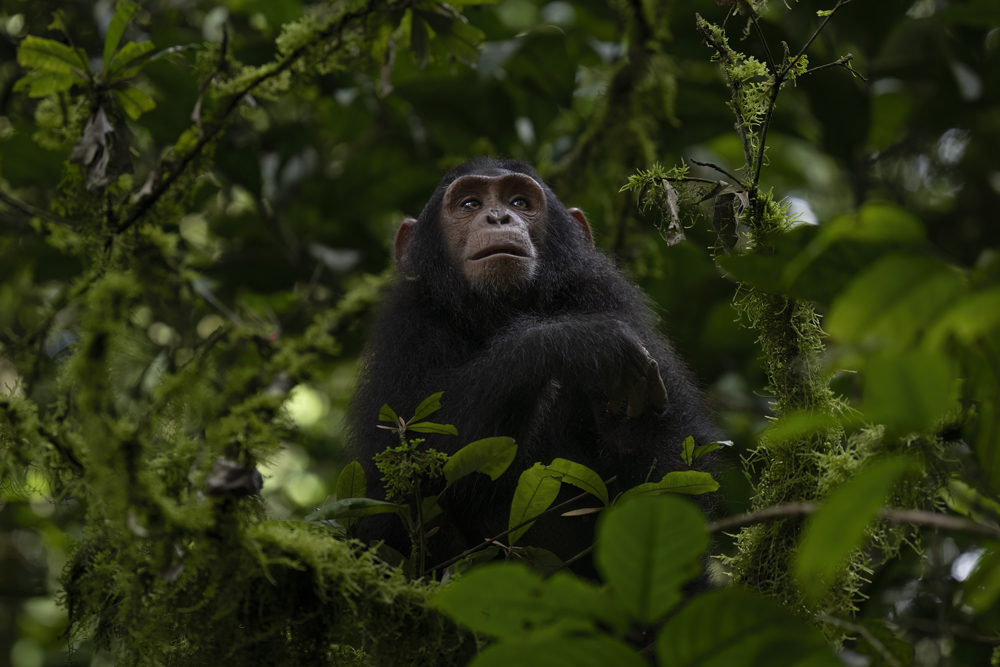
All gorilla and chimpanzee photography in Uganda is regulated by the Uganda Wildlife Authority (UWA). These rules exist to protect both the animals and visitors and must be followed without exception.
Key regulations affecting photographers include:
- A strict one-hour limit with gorillas and chimpanzees
- A minimum viewing distance (typically 7 meters, though animals may move closer)
- No flash photography under any circumstances
- No trekking if you are sick (to prevent disease transmission)
- Everyone who participates must wear a face covering.
- Group sizes are limited and accompanied by armed rangers and trackers
From a photography perspective, this means careful planning is essential. You will not have unlimited time or freedom to move into ideal positions, so adaptability is key
Best Places to Photograph Gorillas and Chimpanzees in Uganda
Photographing Mountain Gorillas in Bwindi Impenetrable National Park
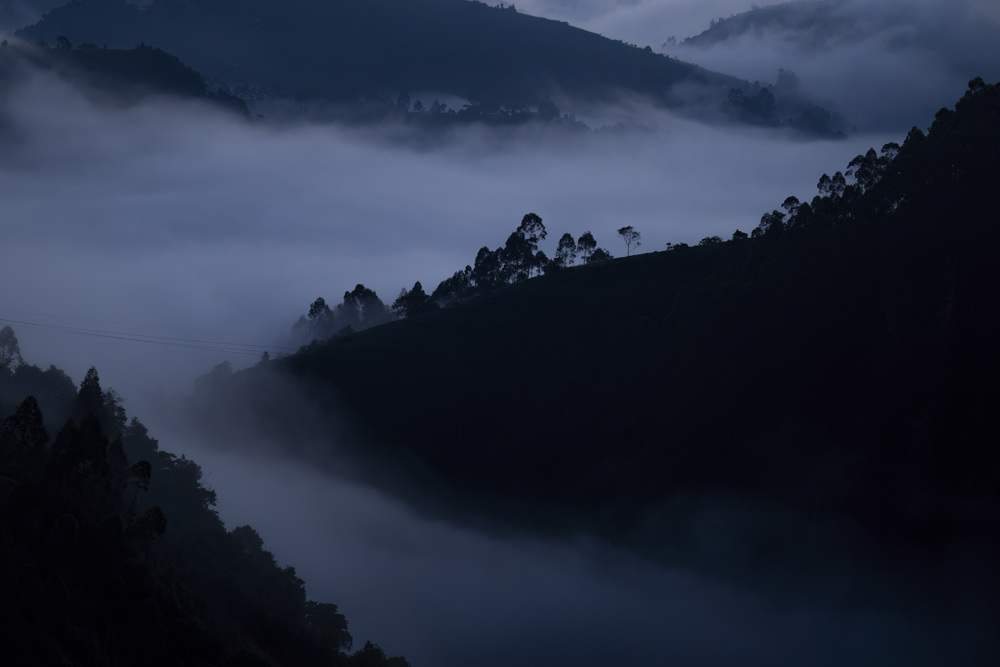
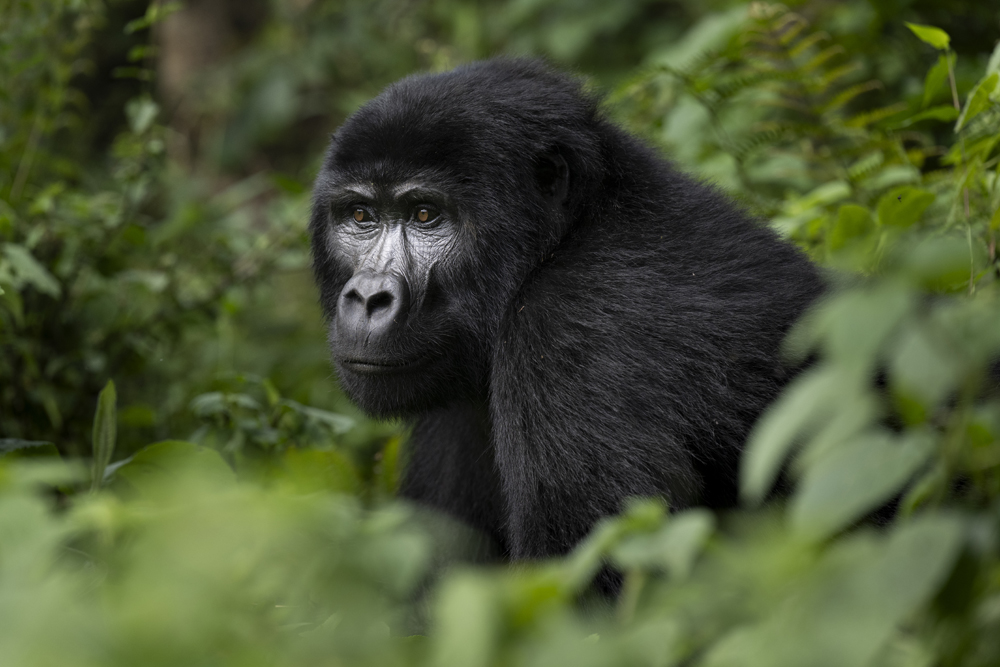
Bwindi Impenetrable National Park is Uganda’s most famous gorilla trekking destination and one of the best places in the world for mountain gorilla photography.
Bwindi offers:
- Multiple habituated gorilla families
- Close, forest-level perspectives
- Dense jungle that creates dramatic, intimate images
Photography challenges in Bwindi include low light, busy backgrounds, and steep terrain. However, the reward is deeply emotional images that communicate the true atmosphere of gorilla life in the forest.
Gorilla Photography in Mgahinga Gorilla National Park
Mgahinga Gorilla National Park is smaller and less visited than Bwindi but can be exceptional for photographers.
Advantages include:
- More open bamboo forest
- Cleaner backgrounds
- Often better natural light
When gorillas are within Mgahinga, photographers may find it slightly easier to isolate subjects compared to Bwindi’s dense vegetation.
Photographing Chimpanzees in Kibale Forest National Park
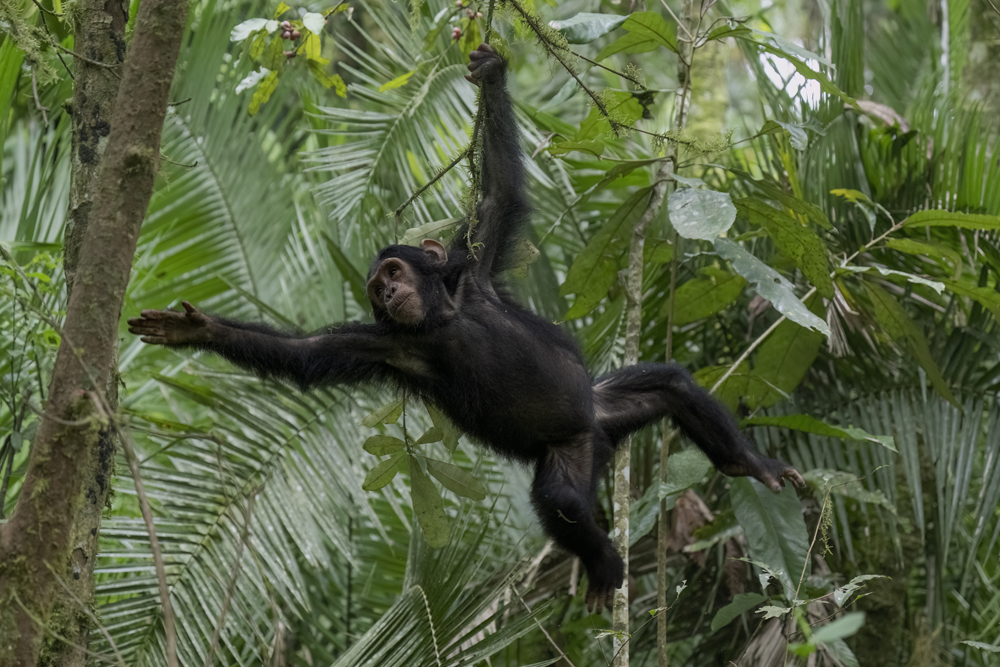
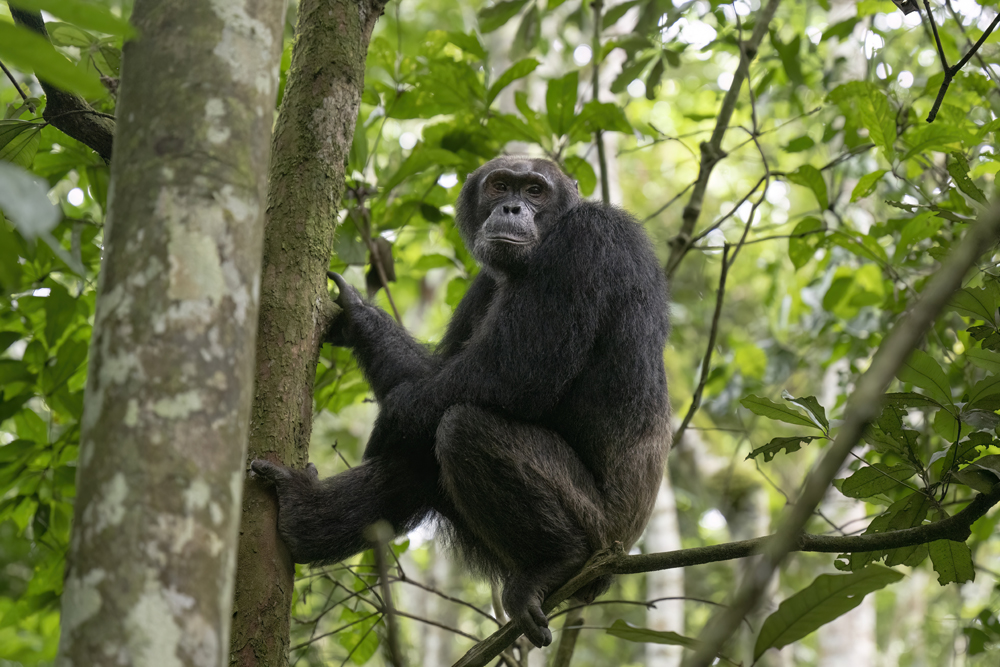
Kibale Forest National Park is Uganda’s premier destination for chimpanzee tracking photography.
Kibale is ideal because:
- Chimpanzees here are well habituated
- Encounters often include dynamic movement and interaction
- Vocalizations, grooming, and play provide strong storytelling opportunities
Chimpanzee photography is more energetic and unpredictable than gorilla photography, requiring faster shutter speeds and quicker reactions.
Best Camera Gear for Gorilla and Chimpanzee Photography in Uganda
Camera Bodies for Primate Photography
Rainforests are dark, humid, and fast-paced. The best camera bodies for Uganda gorilla and chimpanzee photography offer:
- Excellent high-ISO performance
- Fast, accurate autofocus
- Weather sealing
- High burst rates
Silent or electronic shutters are highly recommended to minimize disturbance.
Best Lenses for Gorilla and Chimpanzee Photography
The most versatile lenses for Uganda primate photography are:
- 70–200mm f/2.8 – the ideal all-round gorilla and chimpanzee lens
- 24–70mm – for wider environmental shots and storytelling
- 100–400mm – useful for chimpanzees high in the canopy
Super-telephoto lenses (500mm+) are rarely practical due to vegetation density and close proximity.
Camera Settings for Photographing Gorillas and Chimpanzees in Uganda
Low light is the primary technical challenge.
Recommended starting point:
- Aperture: f/2.8–f/5.6
- Shutter speed: 1/250–1/500s for gorillas, 1/800s+ for chimpanzees
- ISO: 1600–6400 (sometimes higher)
- Autofocus: Continuous AF with single point or small zone
Do not fear raising ISO. Sharp images with some noise are preferable to soft images with perfect exposure.
Top Tip: Camera Modes:
Shoot in Manual with Auto ISO. This enables you to quickly change the shutter speed in response to the changing light. OR If you don’t feel comfortable shooting in Manual then select Shutter Priority as the mode with Auto ISO. You can then adjust the shutter speed to suit the changing light and the camera will adjust the aperture and ISO. In both of these modes you can use exposure compensation – if you are not familiar with it you can read more here or here.
Exposure compensation should be set to -1 as standard and adjusted this will avoid any bright highlights on faces and fur or bright white patches on leaves. It can also be used creatively to enhance areas of light and shadow.
Working With Forest Light in Uganda’s Rainforests
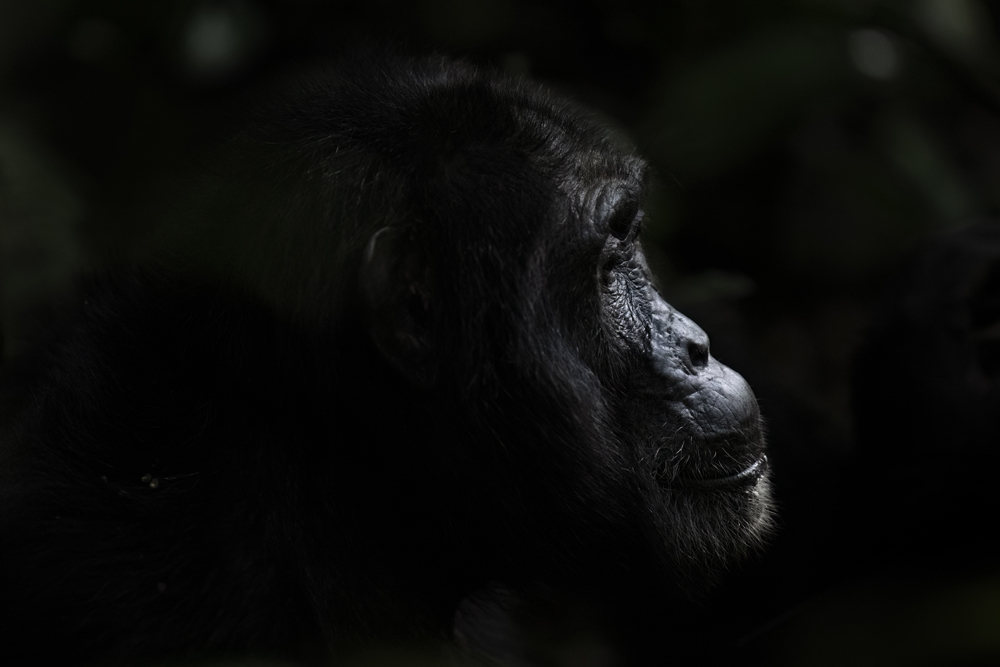
Light in Bwindi and Kibale is filtered through layers of canopy, creating soft but inconsistent illumination.
Tips:
- Watch for light hitting faces or hands
- Underexpose to protect highlights on dark fur
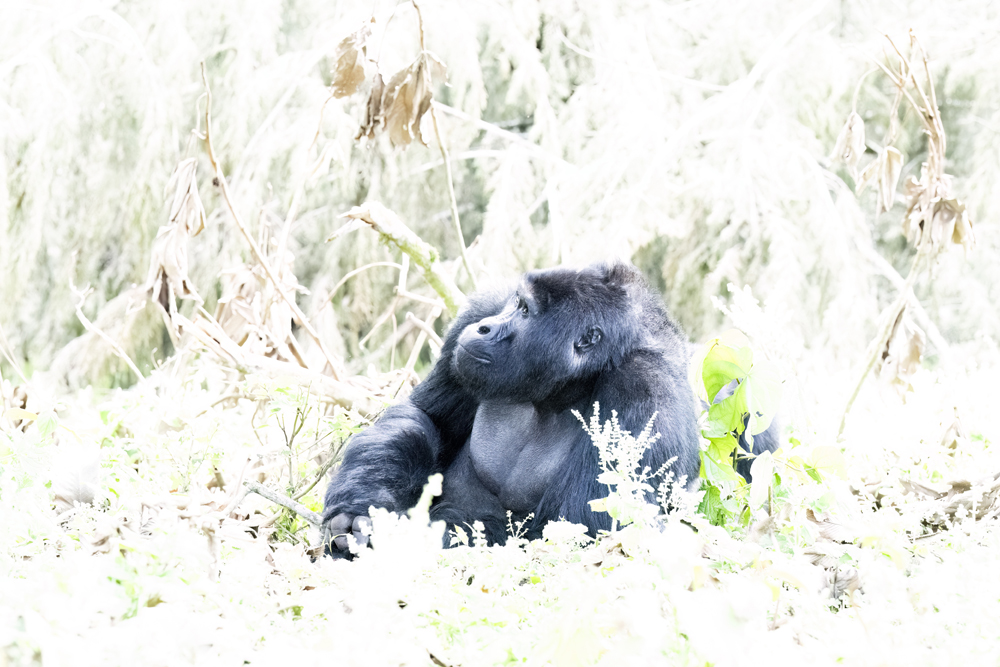
- Be aware of light hitting leaves and vegetation if not exposed for correctly these can often appear white in the final image and the highlights can be completely blown.
- Position yourself to avoid bright sky patches behind subjects.
- Use areas of light hitting the background or different colours in the vegetation to create areas of interest and natural vignettes.
Flash is prohibited and should never be considered.
Composition Tips for Gorilla and Chimpanzee Photography in Uganda
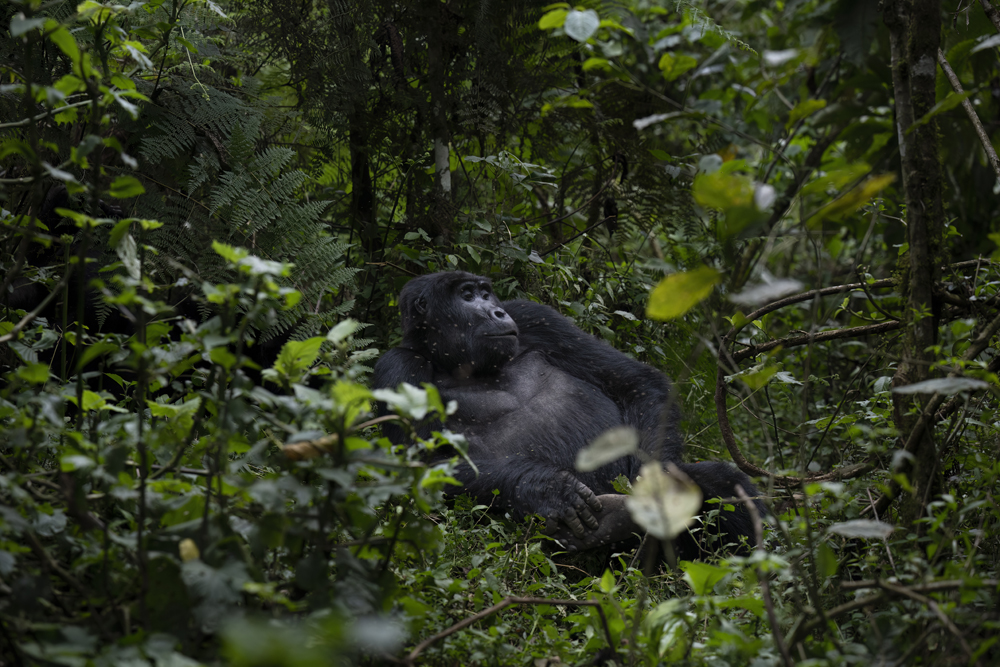
Strong primate photography is about more than portraits.
Look for:
- Grooming interactions
- Mothers with infants
- Playful juveniles
- Moments of eye contact
- Hands, eyes, and expressions
Including leaves, branches, and forest elements adds depth and a sense of place. Clean backgrounds are nice, but authenticity matters more than perfection.
Top Tip: Avoid cutting feet off and try and achieve eye level images.
Sometimes the excitement can get the better of you and you don’t realise that you are cutting the bottom off of a sitting gorilla. To avoid this put the focus point slightly higher in the frame so you have a better perspective. Also ensure that you are at eye level to the gorillas and chimpanzees as much as possible – do this kneeling or sitting on the ground. Standing and shooting down on the subject does not give such a pleasing composition.
Understanding Gorilla vs Chimpanzee Behaviour for Better Photos
Gorilla Behaviour
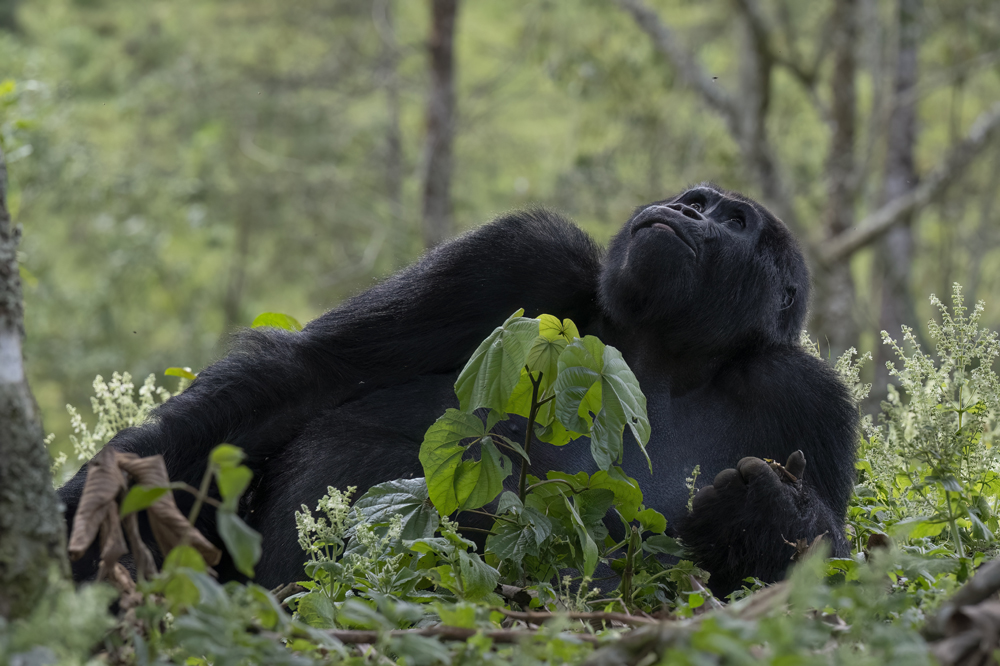
Gorillas are generally calm and deliberate.
- Silverbacks often sit still—compose carefully
- Watch for yawns, glances, and subtle gestures
- Eye contact is rare but powerful
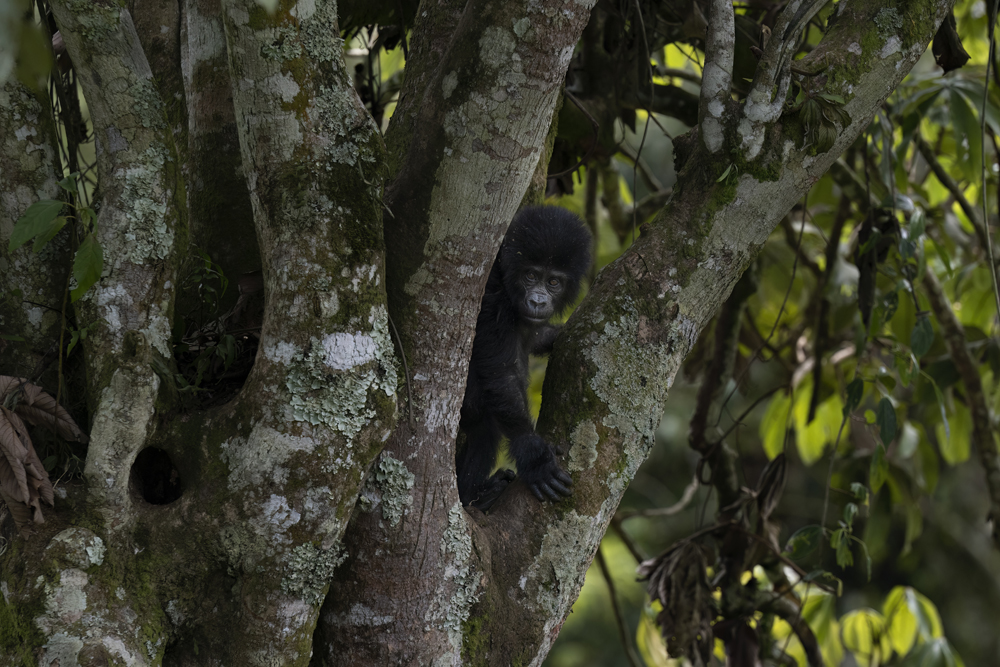
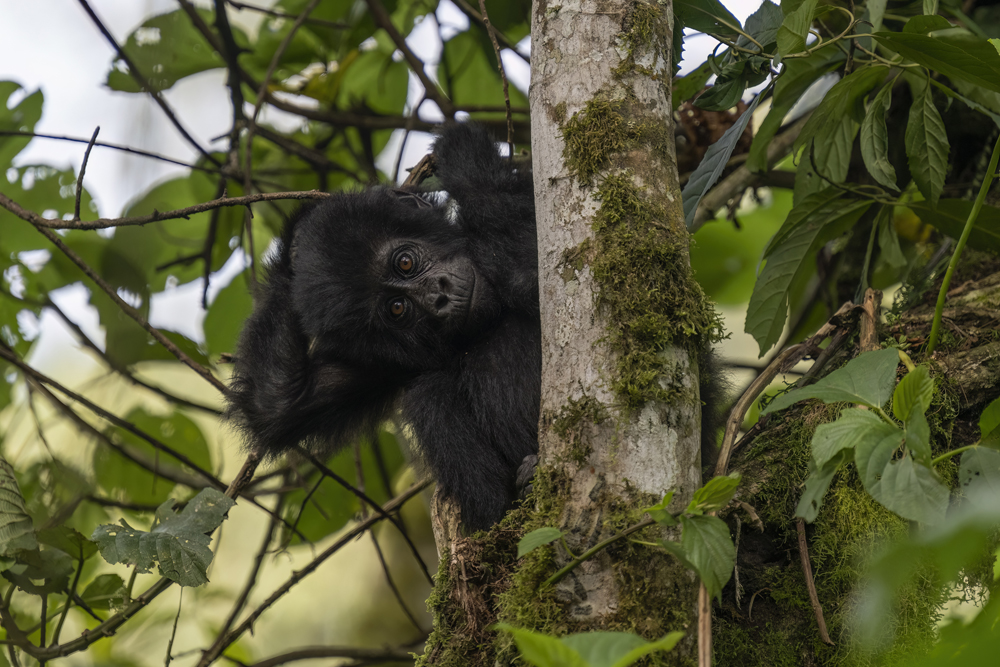
- Babies are often shy but playful and can come close.
- Look for eating and interesting behaviour.
Chimpanzee Behaviour
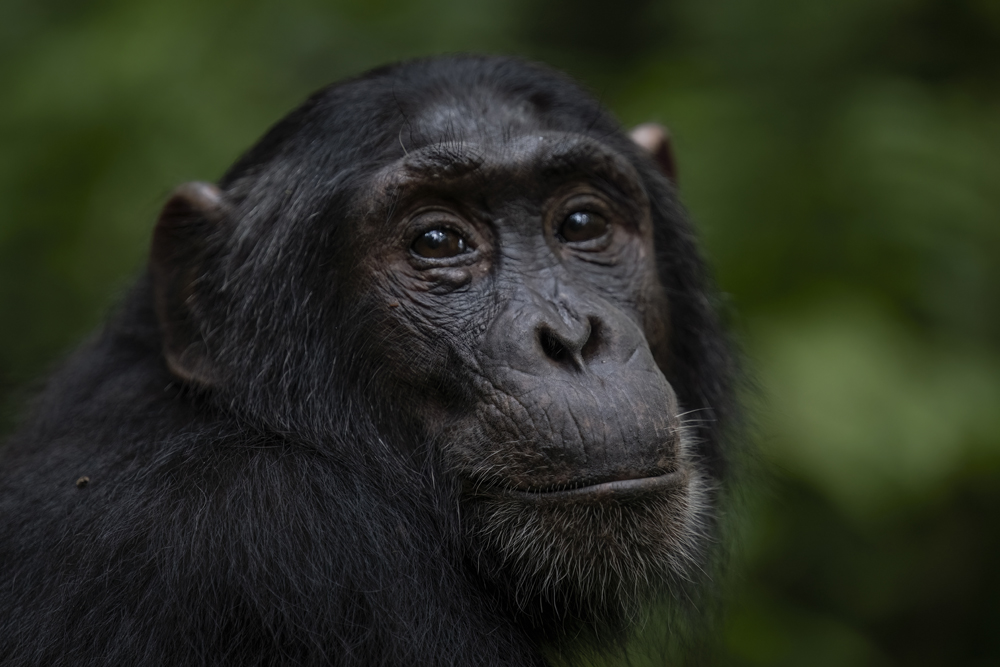
Chimpanzees are fast and expressive.
- Expect sudden movement
- Capture social interactions
- Be ready for unpredictable changes in direction.
- Look for different expressions on the faces.
- Babies are bold and playful and often ride on the mothers back.
Understanding behaviour helps you anticipate moments without intruding.
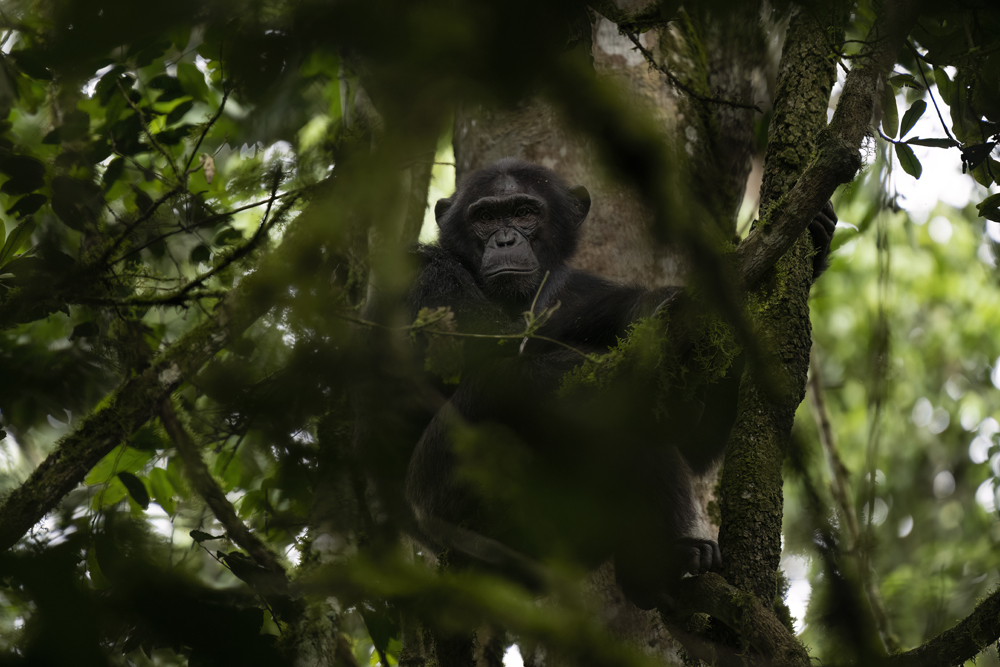
Managing the One‑Hour Time Limit During Uganda Treks
That one hour passes extremely quickly.
A good strategy:
- Secure safe, sharp images early
- Then experiment with composition and storytelling
- Avoid chasing one subject at the expense of awareness
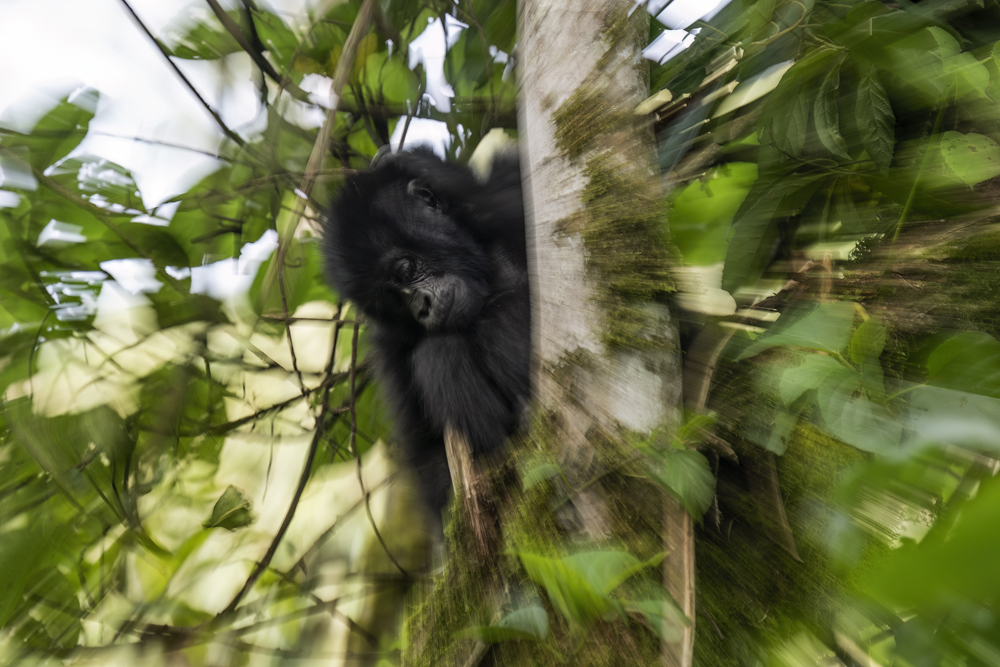
- After getting safe shots try something different like shooting in high key (overexposing) and zoom bursts.
Always remain aware of ranger instructions and group positioning.
Consider Habituation Experiences
If you have the budget then consider booking the habituation experiences in either Bwindi or Kibale.
Things to consider:
- The habituation experience is with chimps or gorillas that are not yet fully habituated to visitors.
- The cost of a habituation permit is double the cost of a standard permit.
- You have a total of 4 hours rather than 1 hour and the time starts from when you first see the gorillas.
- The animals may move further and more often and therefore the trek could be longer.
- A maximum of 4 people are allowed to take part in the habituation experience.
- 4 hours allows you longer to think about your images and also put down your camera and enjoy the experience of being with the animals.
- You can be more specific about backgrounds and behaviours that you want to focus on.
I have completed several standard treks and have always got some nice images and enjoyed the experience. I used to include 2 treks for each in my tours, but I now include one habituation experience for gorillas and one for the chimpanzees. This gives you double the time with the animals and it also means you only need to trek once. The habituation experience just gives you more time and time with these animals is precious. It enables you to enjoy the experience more and spend some quality time with them.
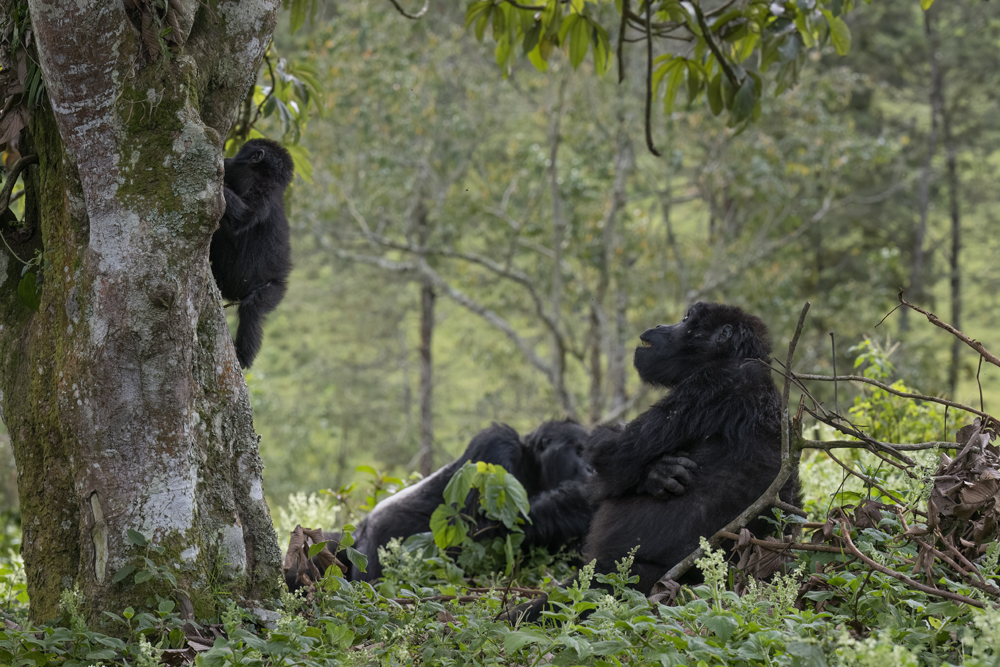
Ethical Wildlife Photography in Uganda
Ethics are central to primate photography.
Always:
- Follow UWA guidance
- Step back if animals approach
- Keep movements slow and calm
- Stop shooting if animals show stress
Ethical photography ensures that gorilla and chimpanzee tourism in Uganda remains sustainable for future generations.
Editing and Publishing Gorilla and Chimpanzee Photos Responsibly
Post-processing should be natural and honest:
- Preserve detail in dark fur
- Avoid over-saturation
- Maintain authentic colours
When publishing, accurately represent behaviour and location, and acknowledge conservation authorities where appropriate.
Final Thoughts: Photographing Gorillas and Chimpanzees in Uganda
Photographing gorillas and chimpanzees in Uganda is a profound privilege. Few experiences allow you to stand quietly in a rainforest while a silverback watches his family or chimpanzees communicate in the canopy above.
The most important images are not always the sharpest or most dramatic—but the ones that respect the animals and tell their story truthfully.
If you would like to experience the chimpanzees and gorillas in Uganda then why not join me on one of my Wildlife Photography Tours where we will focus on Chimpanzees, Gorillas Shoebill and so much more. For more information then check out my tours.