

How to Create a Zoom Burst in Wildlife Photography
Wildlife photography is always evolving. Once you’ve mastered sharp portraits and action shots, experimenting with more creative techniques can open up a whole new world of expressive, artistic images. One of the most exciting techniques to try is the zoom burst — a dynamic effect created by zooming your lens during a slow exposure.
While zoom bursts are often associated with stationary subjects, they can be incredibly striking in wildlife photography when used thoughtfully. Whether you’re out in a woodland photographing birds or working with mammals in dramatic light, this technique can transform a simple moment into something bold, abstract and full of energy.
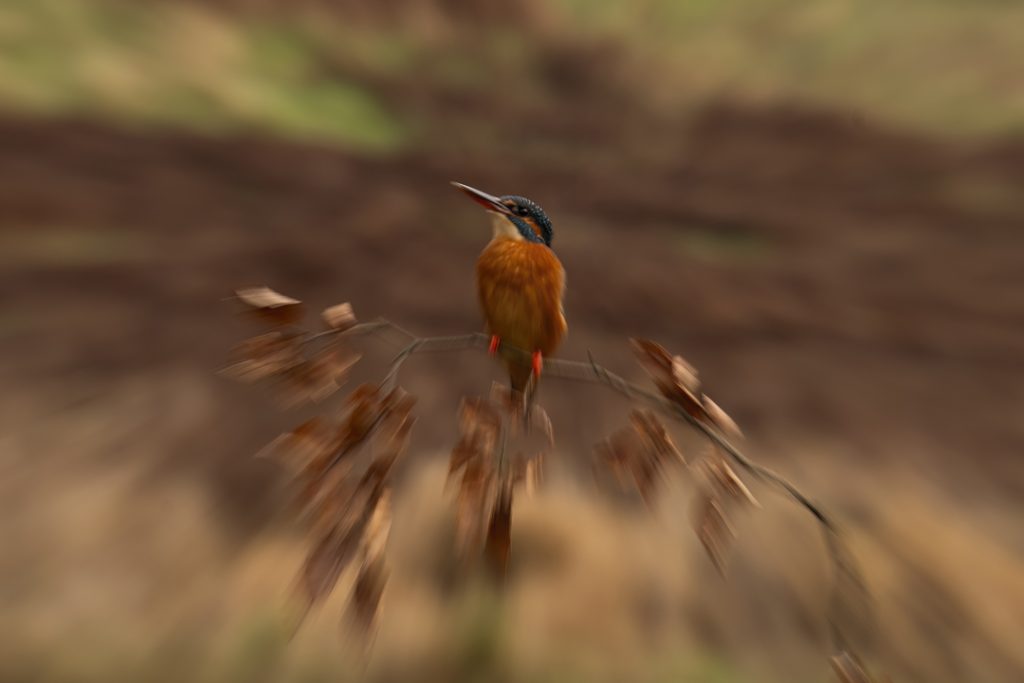
What Is a Zoom Burst?
A zoom burst is a creative photography effect where you zoom your lens in or out during a long exposure. The result is a photo where the subject sits at the centre of dramatic streaking lines, giving a sense of motion and impact.
It’s often used with:
- Wildlife
- Landscapes
- Lights at night
- Flowers or patterns
- Architecture
…basically anything with structure or contrast.
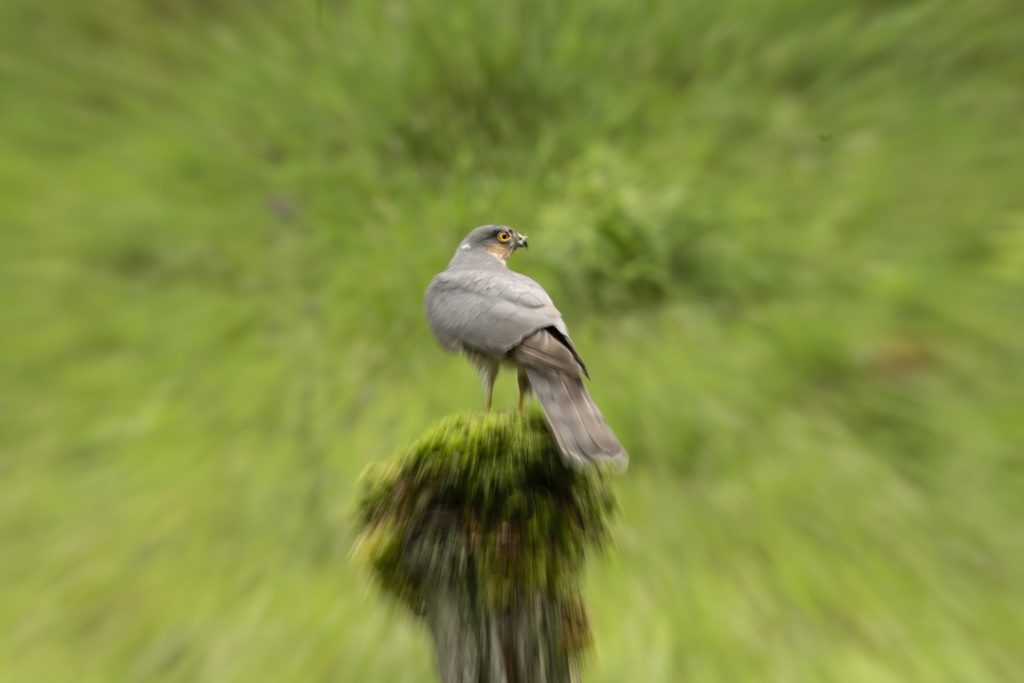
What Makes Wildlife Zoom Bursts Unique?
In wildlife photography, conditions are rarely controlled. Animals move unpredictably, light changes quickly, and the environment is full of texture. All this makes zoom bursting both more challenging and more rewarding.
Your subject might be:
- A perched bird surrounded by reeds
- A mammal standing against rich habitat textures
- A brightly lit animal in contrast with darker surroundings
The key is recognising when the scene has the right balance of stillness and structure, allowing the zoom effect to frame your subject in a dramatic radial burst..
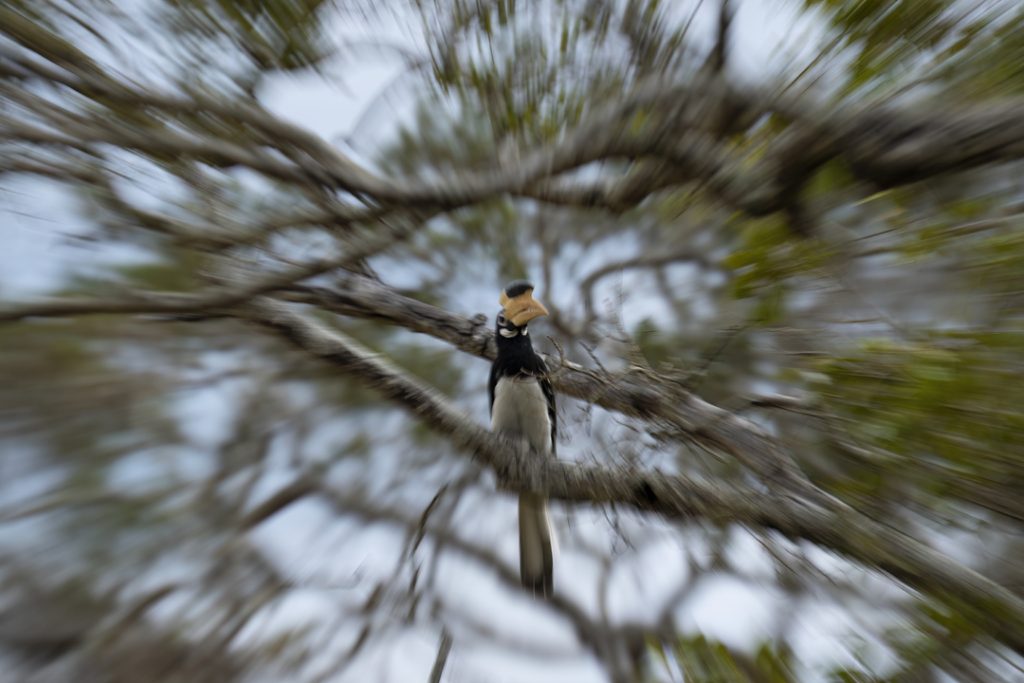
What You Need
- A DSLR or mirrorless camera
- A zoom lens (any range can work)
- A tripod (optional but recommended) – I do mine handheld but a tripod definitely makes things much easier as you do not get the additional unwanted movement.
- A background with texture, contrast, or detail
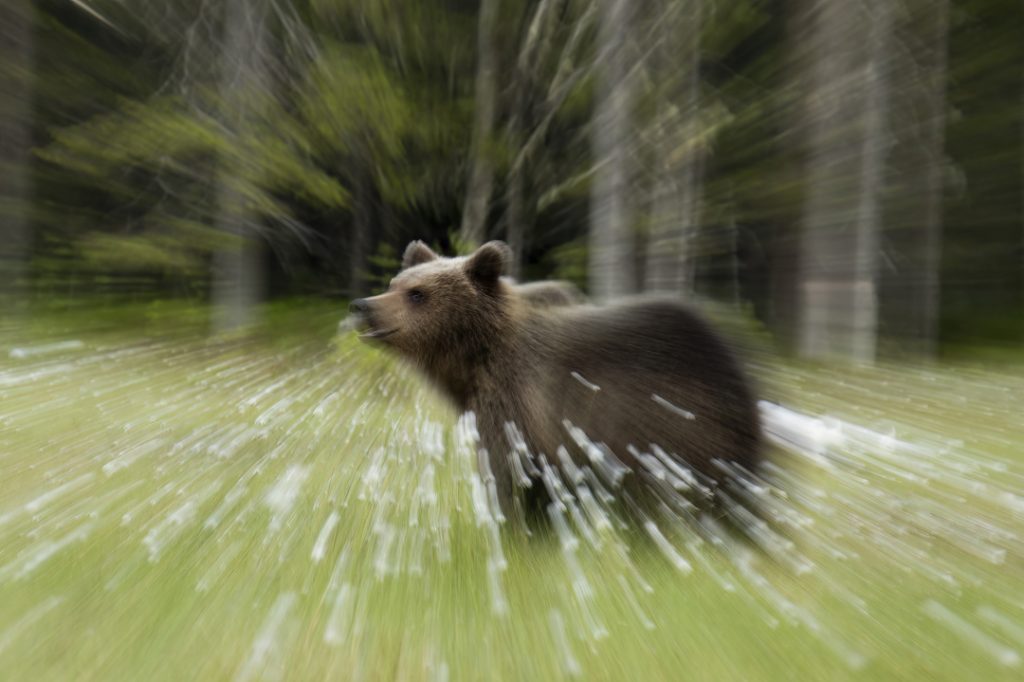
Camera Settings to Start With
While every situation is different, these settings will get you close:
- Mode: Shutter Priority (S or Tv) or Manual
- Shutter Speed: 1/8s to 1/50s (long enough to zoom while exposing)
- Aperture: Let the camera choose if in Shutter Priority; if in Manual, start around f/8
- ISO: Set to Auto
- Focus: Any Focus Mode is fine.
- Shutter Mode: Select Burst Mode – This massively improves your odds of capturing the subject cleanly at some point during the zoom movement.
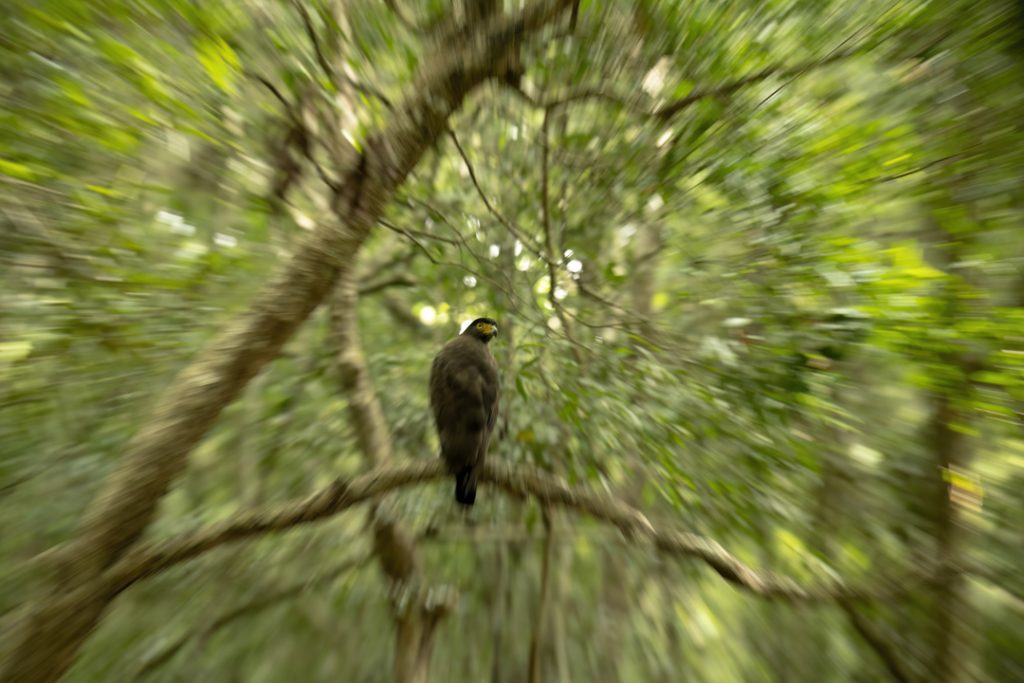
How to Shoot a Wildlife Zoom Burst
1. Choose the Right Wildlife Moment – Zoom bursts work best when:
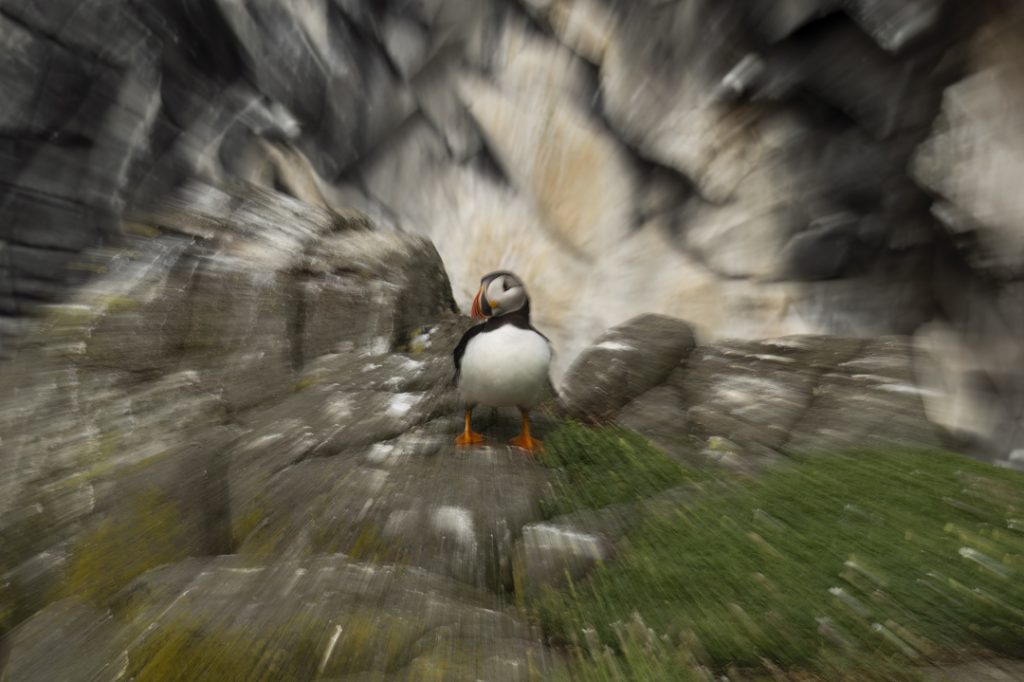
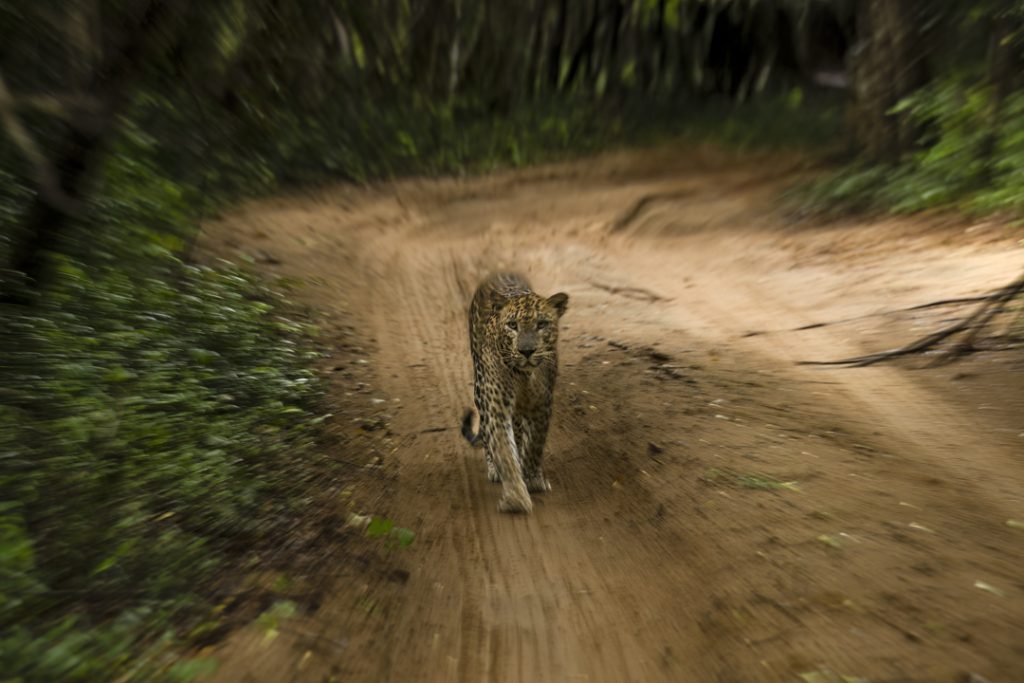
- The animal is relatively still (posed puffin, watching elephant, resting leopard)
- The background has lines, textures or colour contrasts
- Light is directional or dramatic
2. Compose Your Shot
Place your subject at the centre if you want symmetrical lines, or off‑centre if you want a more chaotic feel.
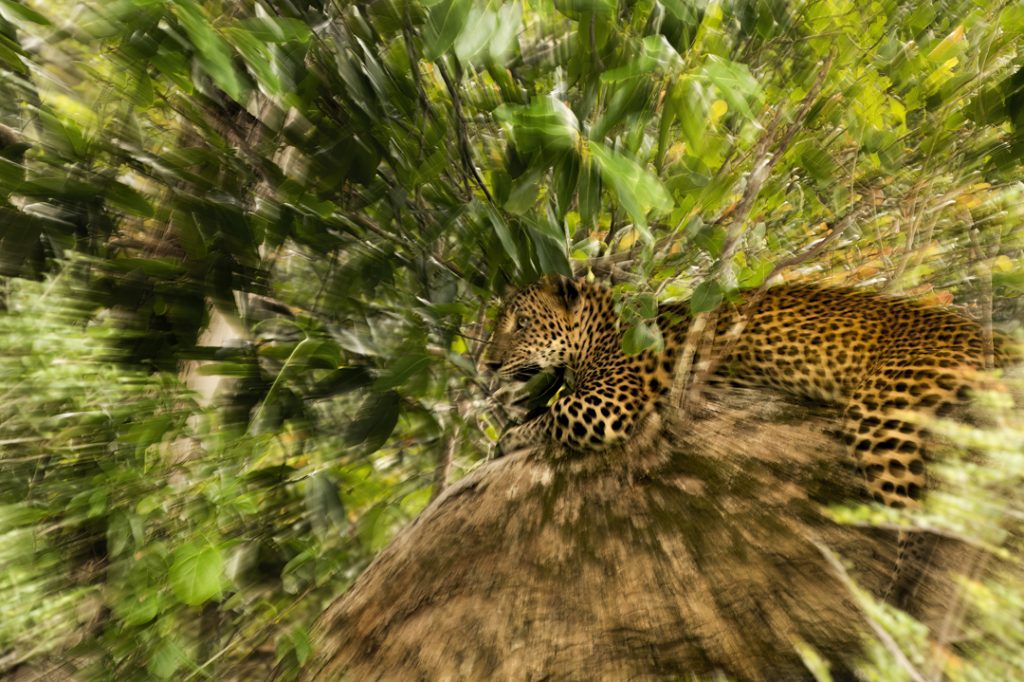
3. Set Your Focus
Focus before pressing the shutter — after that, avoid refocusing. If your camera is set up for back button focus and the focus on the shutter button is disabled then just focus using the back button. If you do not us back button focus then once you have focused on the subject turn the autofocus off on the lens.
4. Start the Exposure and Zoom.
Press the shutter button and shoot a burst of images – zoom in and out as smoothly as possible during the exposure.
You can:
Zoom inward (short to long focal length)
Zoom outward (long to short focal length)
Pause mid‑zoom for variation
Zoom in fast, then slow, or vice‑versa
Slow Zoom with a longer shutter speed
Fast zoom with a shorter shutter speed.
Each creates a different look.
5. Review and Adjust
Dramatic Light
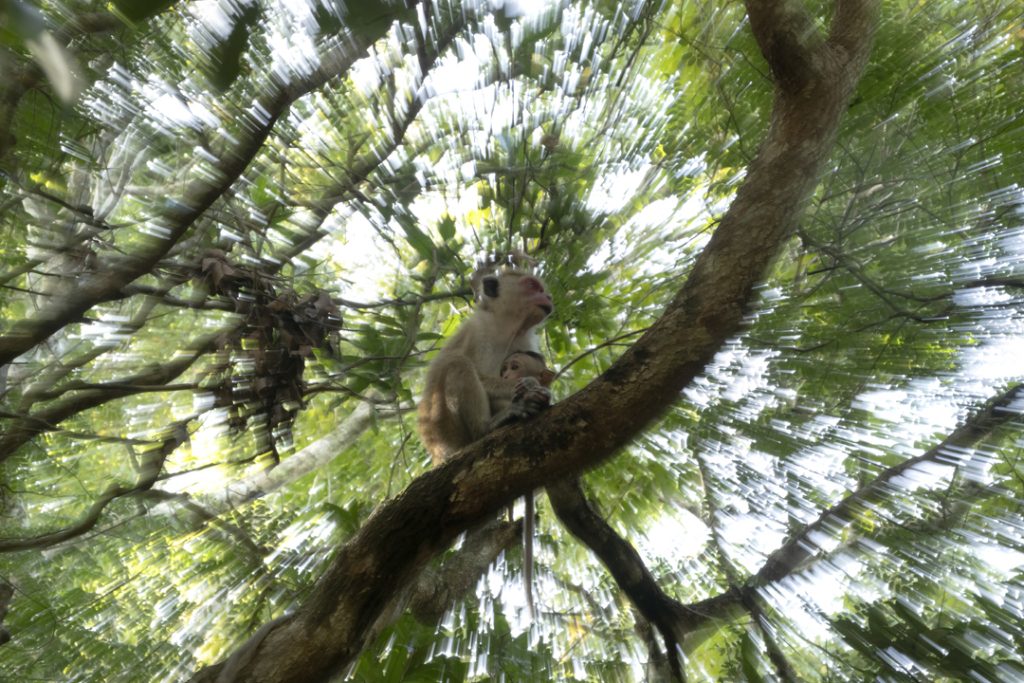
When sunlight breaks through the trees , or the sky glows – the dramatic atmosphere can combine beautifully with a zoom burst to amplify mood.
Experiment with:
- Exposure length
- Zoom speed
- Start and end focal lengths
- Motion style (smooth, staggered, pulsed)
This is a technique where imperfection often looks better.
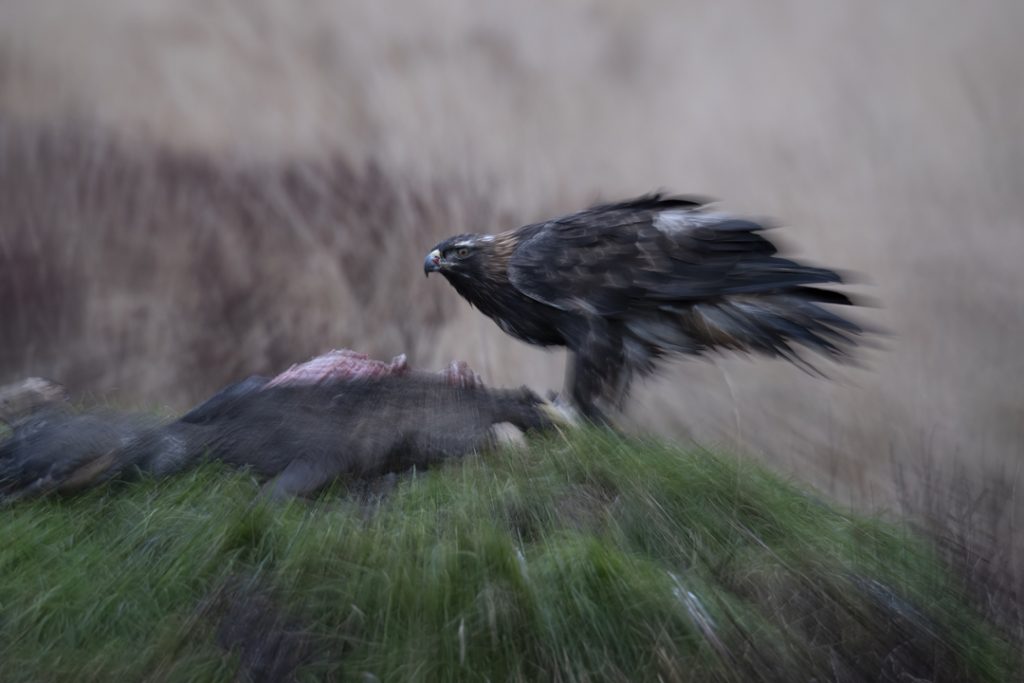
Creative Variations to Try
- Zoom Burst + Still Subject
- Keep something in the centre sharp — like an animal or bird — for a powerful focal point.
- Handheld Zoom Burst
- Adds wobble and unpredictability for an artistic, abstract result.
- Partial Zoom Burst – Only zoom for part of the exposure so the image has both sharp and streaked elements.
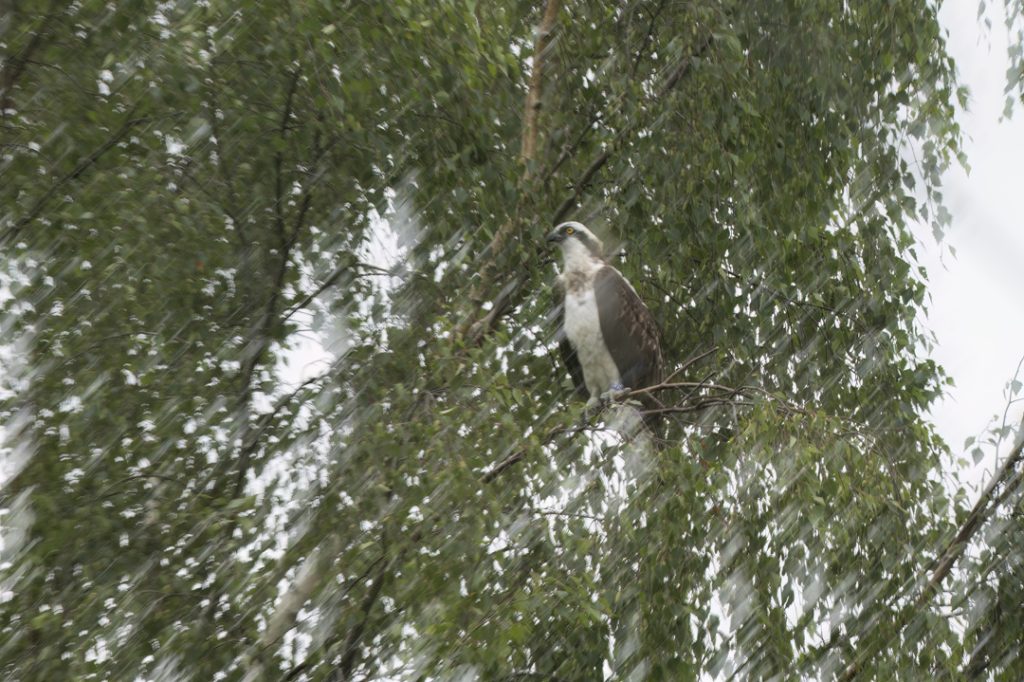
Pro Tips for Wildlife Zoom Bursts
- Keep the animal’s head near the centre if you want it reasonably sharp
- Pick backgrounds with repeating shapes (branches, reeds, water reflections)
- Start with outward zooms — inward zooms can be harder to control
- Don’t be afraid of failure: wildlife zoom bursts often take hundreds of attempts
Common Mistakes (and How to Fix Them)
- Too much blur: Use a shorter shutter speed.
- Image too bright: Stop down aperture or lower ISO.
- Subject not visible: Place it in the brightest or most detailed part of the frame.
- Uneven streaks: Ensure you zoom smoothly — or embrace the chaos if you like a gritty look.
Why Zoom Bursts Belong in Wildlife Photography
This technique:
- Adds artistic flair to common species
- Helps you stand out with creative portfolio images
- Turns slow wildlife days into opportunities to experiment
- Encourages thinking differently about light and habitat
Final Thoughts
A zoom burst is one of the most fun, creative, and accessible techniques in photography. Once you get the hang of it, you’ll find yourself trying it on wildlife, trees, buildings, even your coffee mug. The key is experimentation — no two zoom bursts will ever look the same.
If you would like to learn more about this technique then why not join me on a workshop. I cover this technique on both my advanced and creative photography workshop and also on all of my overseas tours.