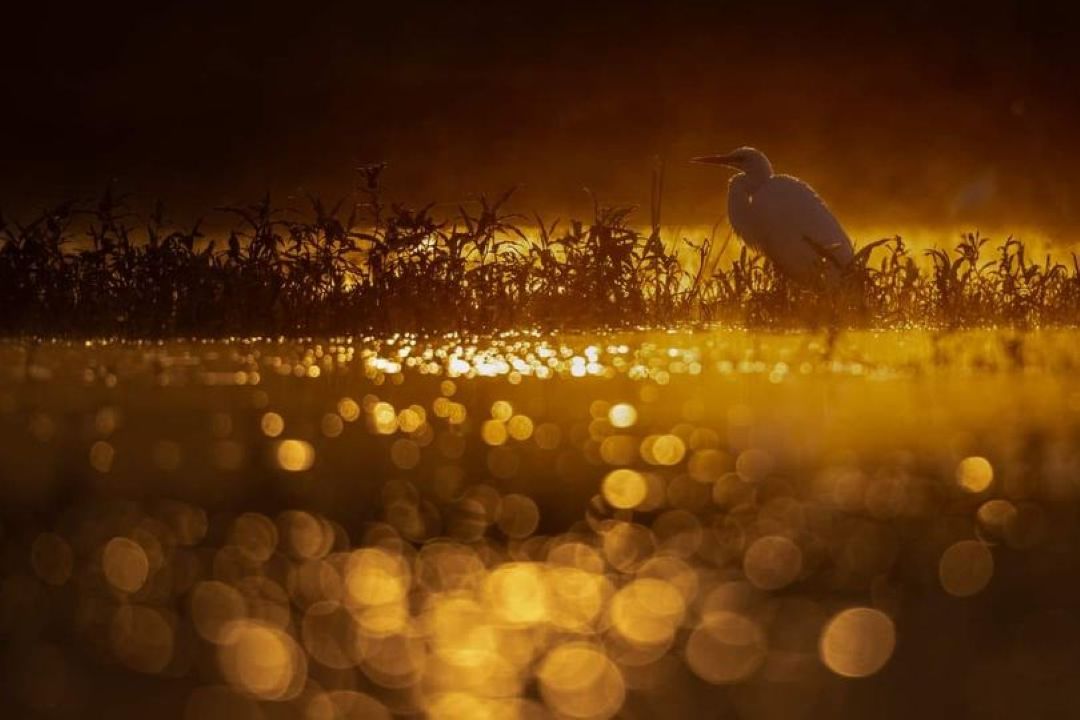
Hungary Bird Tour
with Paul McDougallHungary Bird Photography Tour
Hungary Bird Tour
| Location: | Hungary |
| Availability: | June - July |
| Dates: | 24th-30th June 2027 |
| Duration: | 6 Nights 7 Days |
| Price pp*: | £2650 |
| Places (6 max): | 2 Places Available |
| Your guide: | Paul McDougall |
| * Price per person based on 6 people. | |
This Hungary Bird Tour is ideal for the keen bird photographer.
Approximately 1.5 hours away from the thriving busy city of Budapest you will find one of the best places in Europe to photograph some of the most sought-after European birds.
If you want to have the opportunity to photograph some incredible birds from custom built photographic hides and build a diverse portfolio of some of the best European Species then this is the tour for you.
This is a fully guided photographic tour.
The focus is mainly on European Birds Including:
Black-necked Grebe, Pygmy Cormorant, Little Bittern, (Black-crowned) Night Heron, Squacco Heron, Purple Heron, Black Stork, White Stork, Eurasian Spoonbill, (Western) Marsh Harrier, Red-footed Falcon, Wood Sandpiper, Whiskered Tern, (European) Turtle Dove, Long-eared Owl, (European) Bee-eater, (European) Roller, (Eurasian) Hoopoe, Middle Spotted Woodpecker, Black Redstart, Bearded Reedling (aka Bearded Tit), (Eurasian) Penduline Tit, (Eurasian) Golden Oriole, Red-backed Shrike, Lesser Grey Shrike, Hawfinch.
There is the possibility to see and photograph over 120 species in 6 days.
Each day we will have 2 separate hide sessions. One in the morning and one in the afternoon.
These can include:
Drinking Pools:
As there are drinking pools mounted in 6 different habitats (closed and opened woodland, old orchard and open grassland with some shrubs (“puszta”)) there is a great variety of species to photograph: turtle dove, red backed shrike, 4-5 warbler species (nightingale fairly common, blackcap, chiff-chaff, lesser whitethroat, etc.), 3-4 species of woodpeckers, yellow and white wagtails, corn bunting, yellowhammer, tree pipit, sky lark, crested lark, stonechat, but in really dry conditions pools may attract sparrowhawk, honey buzzard, roe-deer, brown hare, pheasant, etc.
At this time of the year breeding hoopoes are very active (5-6 low set natural logs photographed from temporal double hides (not pop-up mobile hides), but at two of the drinking pools they also breed in natural wooden logs).
Bee-eaters are rather active from early May (2-3 places for shooting from constant and mobile hides, two in open fields, birds breeding on the horizontal ground (cca. 20-30 p) (lesser grey shrike, European roller, northern wheatear, roe deer, brown hare, pheasant, grey partridge also possible here) and an abandoned sand quarry (ca. 10-15 p) together with a sand martin colony.
Tower hides:
European roller, red-footed falcon, common kestrel, lesser grey shrike, wood pigeon, starling, perhaps long-eared owl, little owl, jackdaw, hoopoe, bee-eater, golden oriole, green woodpecker, etc. (suitable for 2-3 people). At both hides there are artificial nestboxes with nice perches mounted on trees and tall bushes at ca 7-10 m distance that provide excellent conditions for the colonially breeding red-footed falcons (5-10 pairs), rollers (1-2 pairs), kestrels (2-3 pairs) and other species, too. These hides are very busy throughout the whole breeding season (late April-mid July).
European rollers breeding in low set natural logs (4-5 different locations, shot from temporal hides with one-way glass) at cca. 7-9 m distance. There are all sorts of setups for morning and evening lights.
In some years little owl is also photographable from a temporary hide together with hoopoes.
Waterside hide:
Lying setups for max. 2 persons, matrices, groundpods-beanbags provided number of species are possible from these hides, there is a great variability between years depending on the water conditions, seasonality, locations available: Great crested grebe, little grebe, black-necked grebe, garganey, ferruginous duck, pochard, greylag goose, wood sandpiper, black winged stilt, yellow wagtail, bearded tit, marsh harrier, white tailed eagle, marsh harrier, pigmy cormorant, common cormorant, whiskered tern, kingfisher perhaps, coot, night heron, squacco heron, little egret, spoonbill, great white egret, grey heron, glossy ibis, purple heron, etc.
Metal-container wetland hide:
This hide is mounted at the heart of the wetland and is a closed floating box where you are shooting from nearly eye-level. The hide is ca. 2,5 m* 2,5m, has windows to 4 sides so it can be used in any part of the day and is a great place for all the above-mentioned waterbirds plus some waders in late Summer, Eurasian beaver, otter, and is an excellent place for taking flight shots, too.
Single floating hides (with neoprene waders):
For ad-hoc waterbirds (1-2 persons). whiskered tern, grebes, ducks, etc.
All images used are not mine they are provided with permission from Oriole Lodge and are the copyright of the individual photographers.