

Photographing Swans
When I was out locally about a month ago with my camera I had a lady come up to speak to me and she said to me “Are you the swan man”. She then went on to explain that she followed me on Social Media and loved the way that I photograph swans which is her favourite bird. This got me thinking about my photography and my relationship to these amazing birds.
Swans are among the most elegant and photogenic birds in the natural world. Their graceful movements, striking plumage, and serene presence make them a favourite subject for wildlife photographers. Whether gliding across a misty loch or taking flight at dawn, swans offer endless opportunities for stunning imagery. But capturing their beauty requires more than just pointing and shooting—it demands patience, technique, and a deep appreciation for their behaviour.
Where to Find Swans
Swans are widespread across the UK and Europe, with common species including:
- Mute Swan (Cygnus olor) – the most familiar, with an orange bill and curved neck.
- Whooper Swan (Cygnus cygnus) – migratory, with a straight neck and yellow bill.
- Bewick’s Swan (Cygnus columbianus bewickii) – smaller and rarer.
Ideal Locations:
- Lakes, lochs, rivers, and wetlands
- Nature reserves and bird sanctuaries
- Urban parks with water features
In Scotland, places like
- Loch Leven
- Cairngorms National Park
- RSPB reserves
are excellent spots.
My favourite place is Hogganfield Loch in Glasgow
Best Times to Photograph Swans
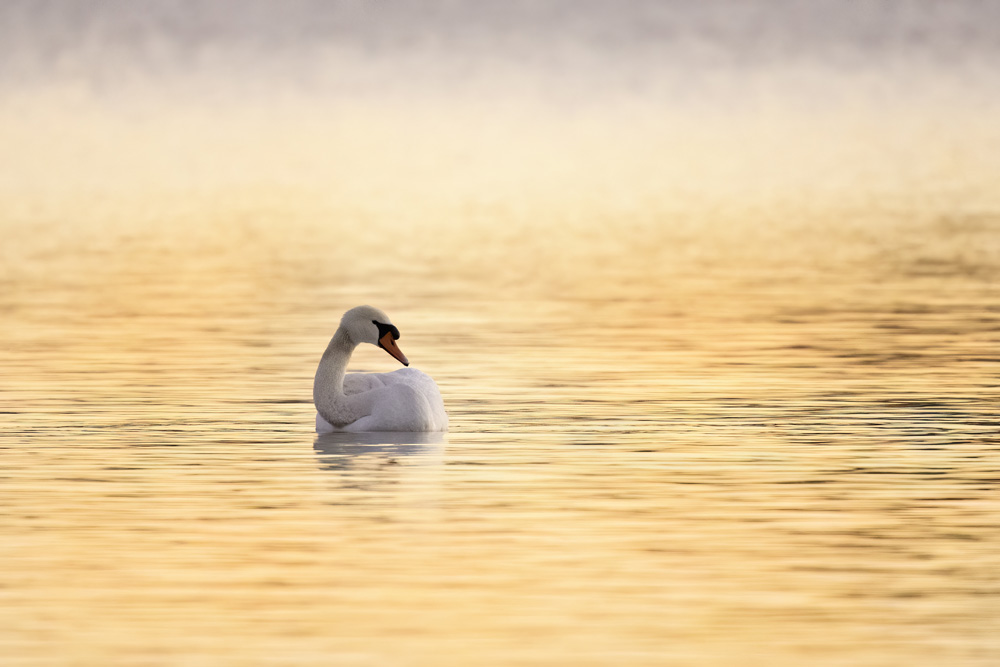
Golden Hour:
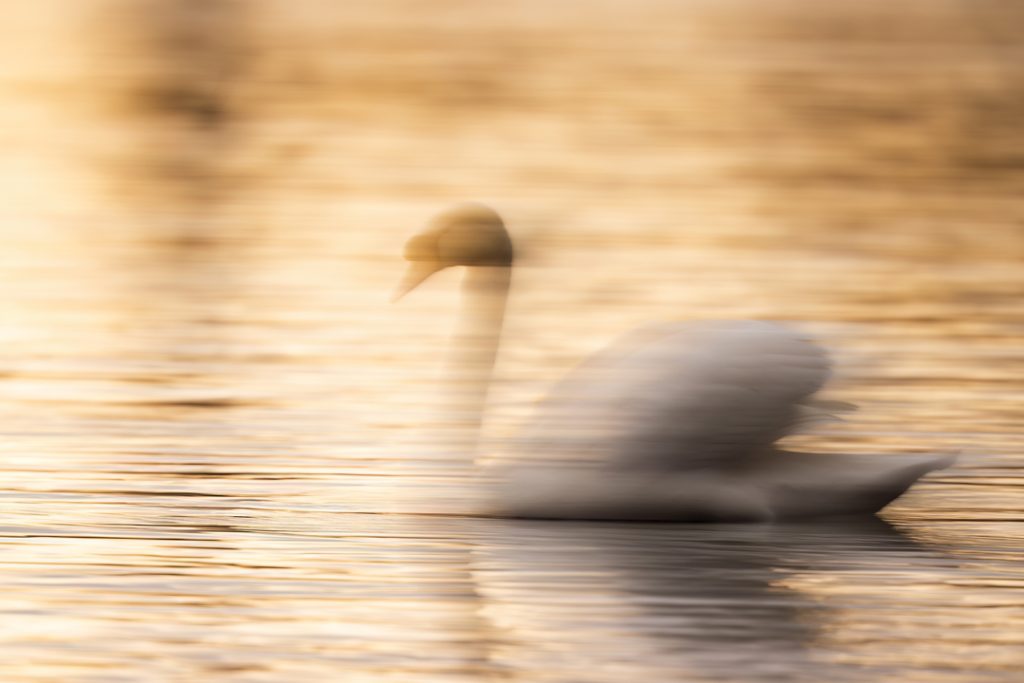
Early morning and late afternoon provide soft, warm light that enhances the swan’s white plumage and creates magical reflections.
Seasonal Highlights:
Winter: Migratory swans arrive, and misty mornings offer atmospheric shots.
Spring: Courtship displays and nesting behaviour.
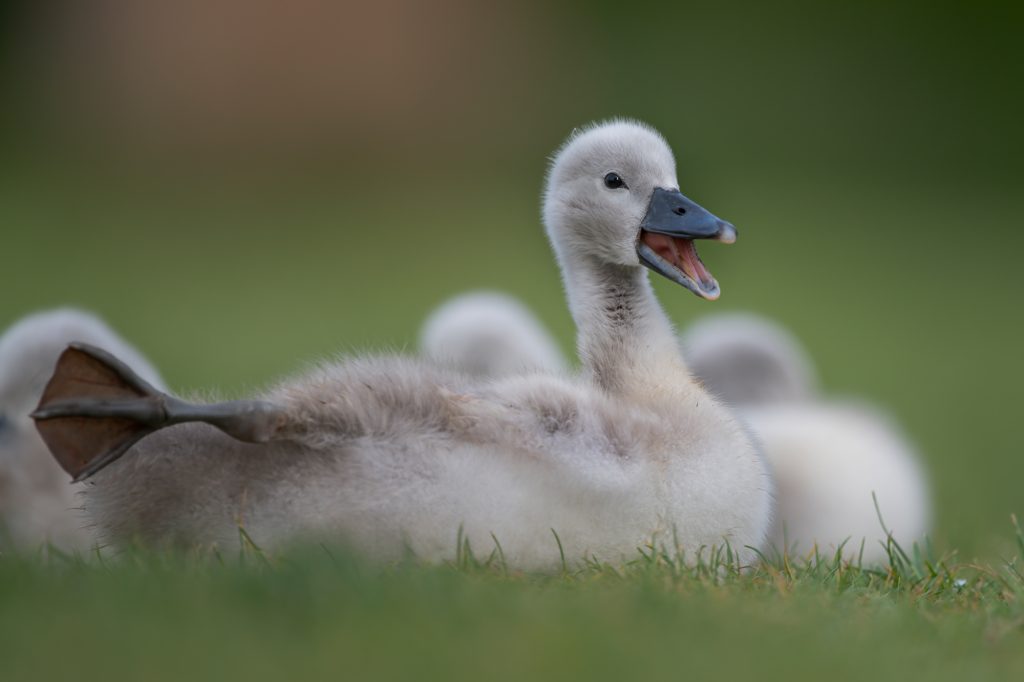
Summer: Cygnets (baby swans) add storytelling potential.


Understanding Swan Behaviour
- Knowing how swans behave helps you anticipate moments worth capturing:
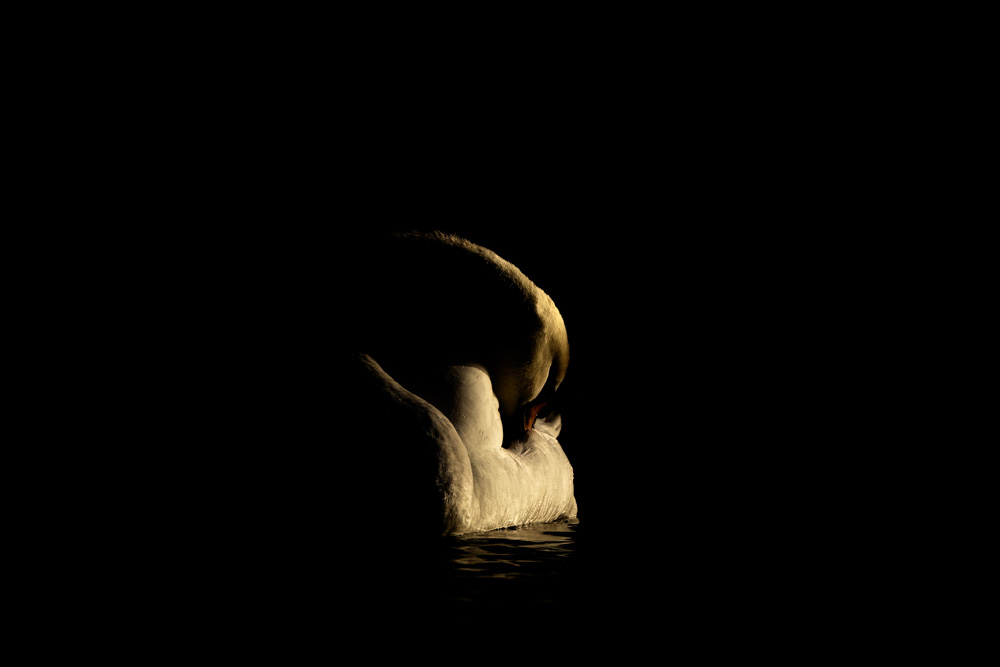
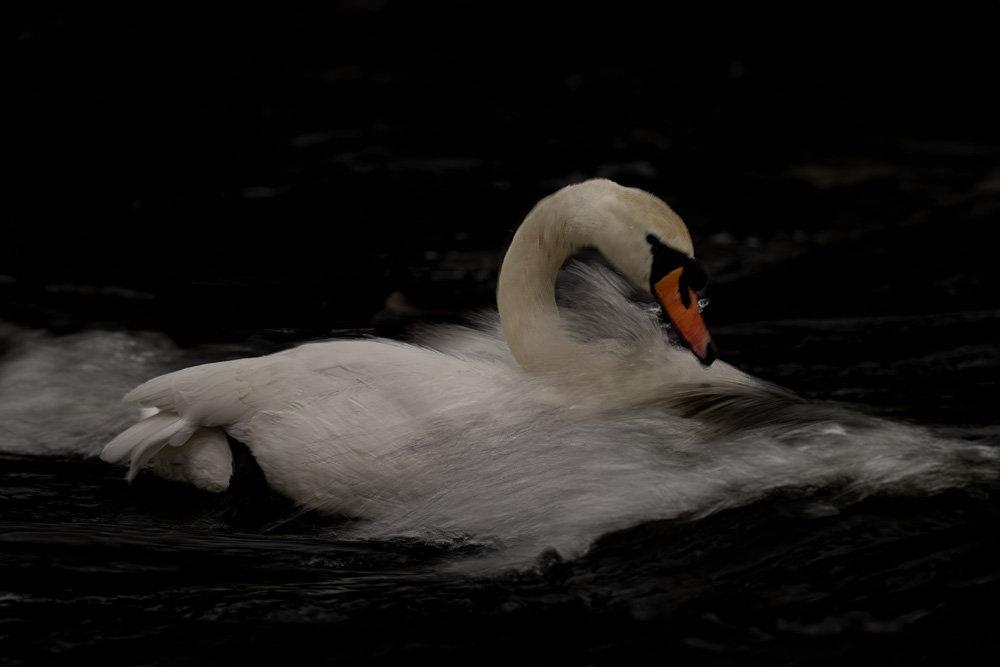
- Preening – Offers elegant poses and feather detail.
- Feeding – Often involves dipping their head under the water. Provides an excellent opportunity to capture images of the water droplets falling from the beak.
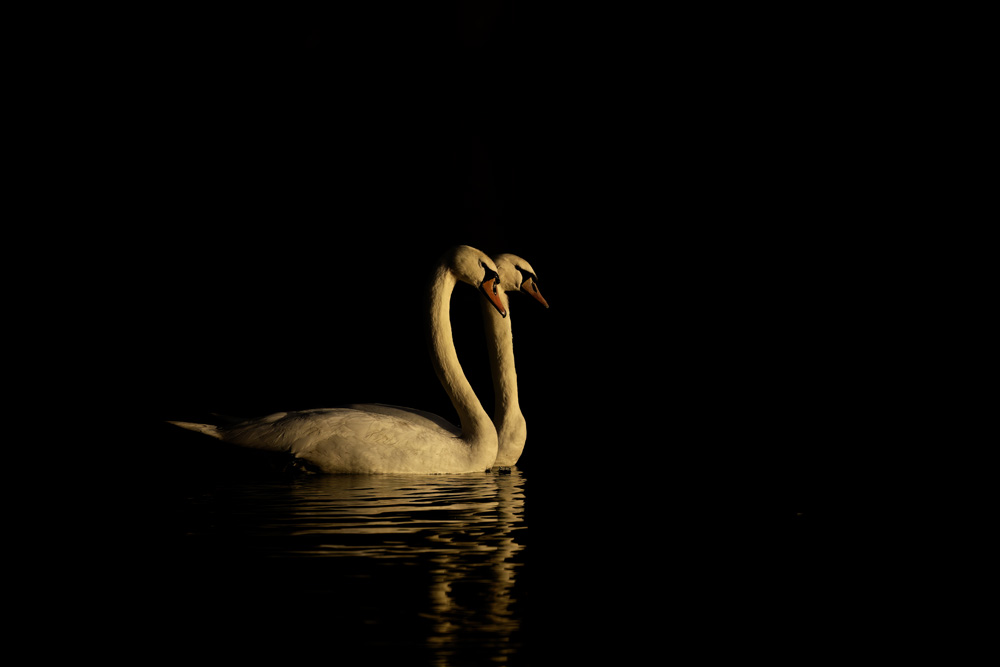
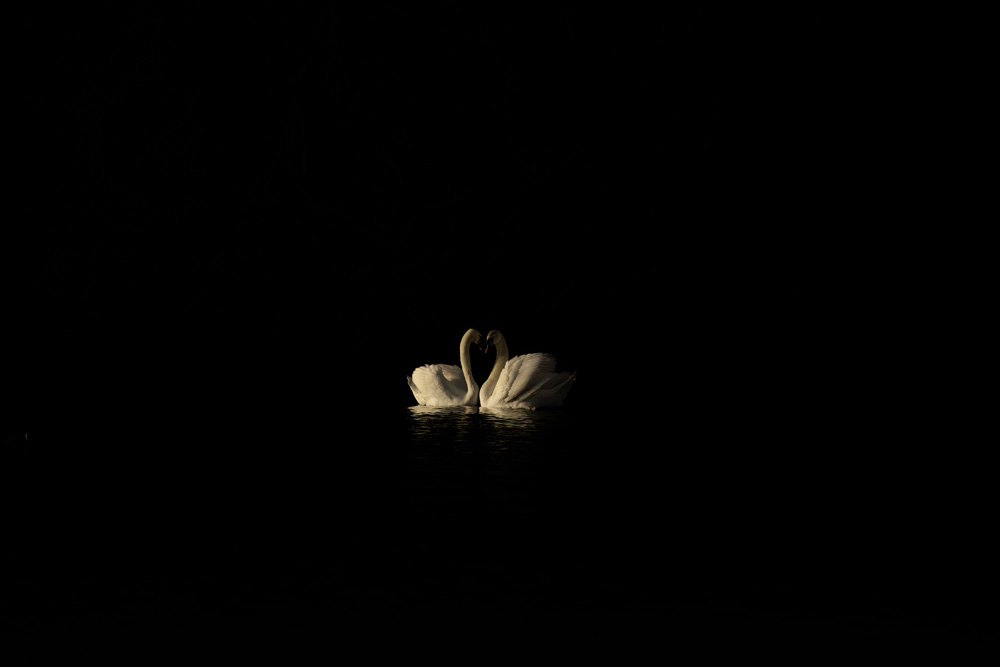
- Courtship – Includes synchronized swimming and neck displays.
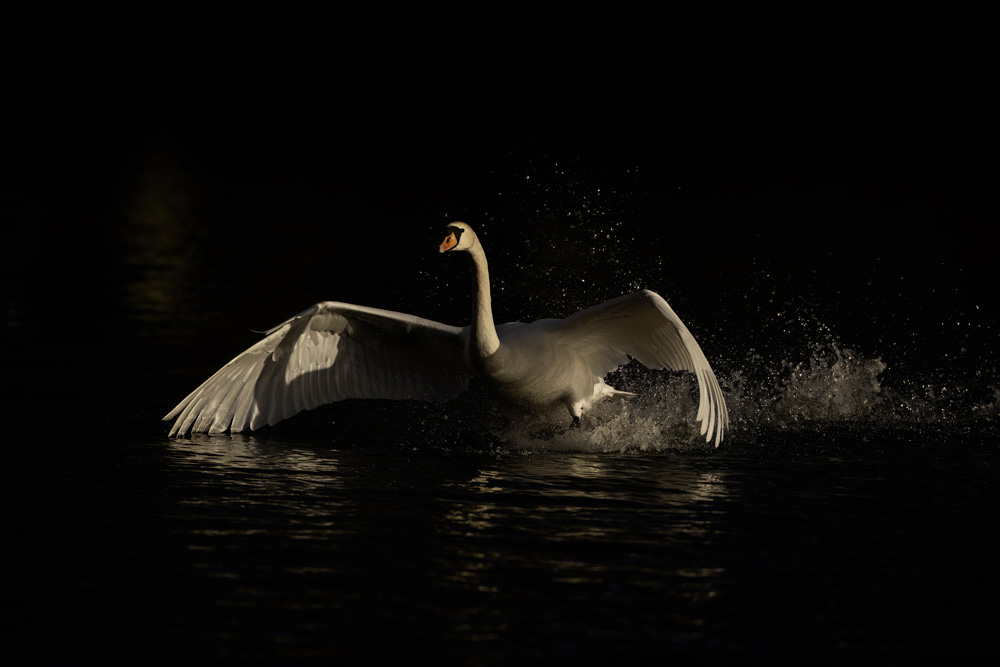
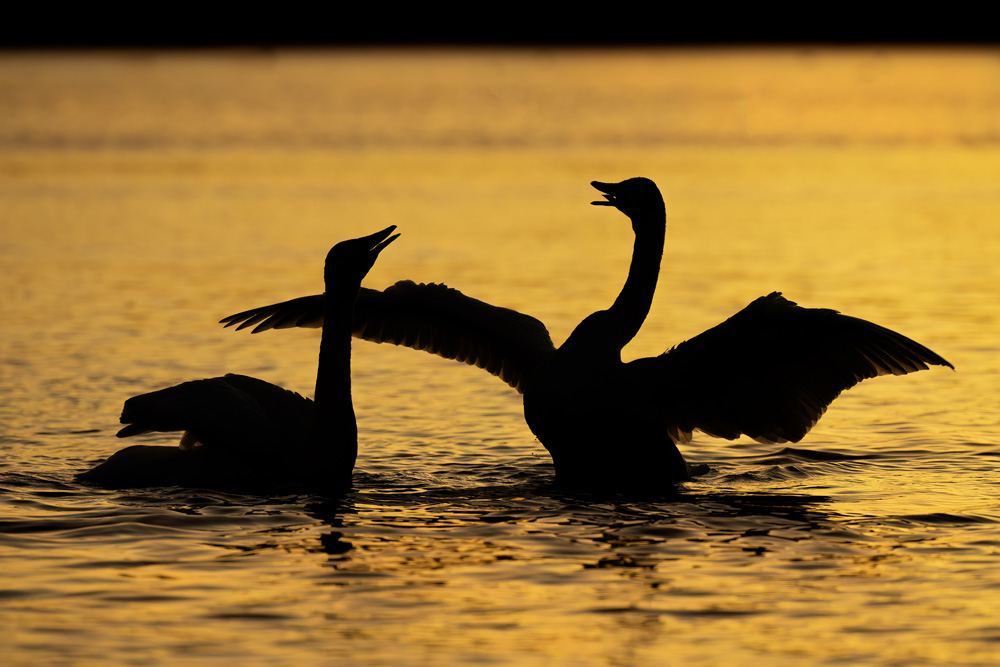
- Aggression – Wing flapping and hissing can be dramatic.
- Flight – Powerful take-offs and landings are visually striking.
Camera Settings and Techniques
- Shutter Speed: 1/1000s or faster for flight or movement
- Aperture: f/5.6–f/8 for sharpness and depth
- ISO: Adjust based on light; keep as low as possible to reduce noise
- Focus Mode: Continuous (AI Servo/AF-C) for moving subjects
Composition Tips:
- Use reflections creatively
- Frame with natural elements like reeds or branches
- Capture interaction between swans or with their environment
- Try low angles for intimacy and drama

Artistic Considerations
Swans are naturally elegant, so lean into that aesthetic:
- Black and white photography can emphasize form and contrast
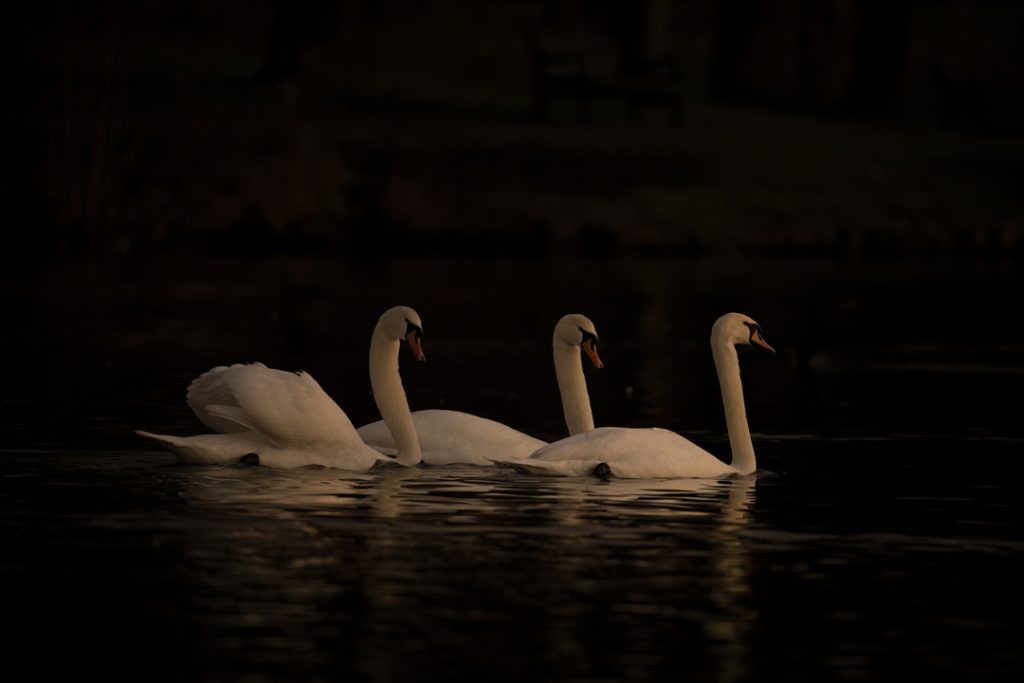
- Minimalist compositions work well with their clean lines
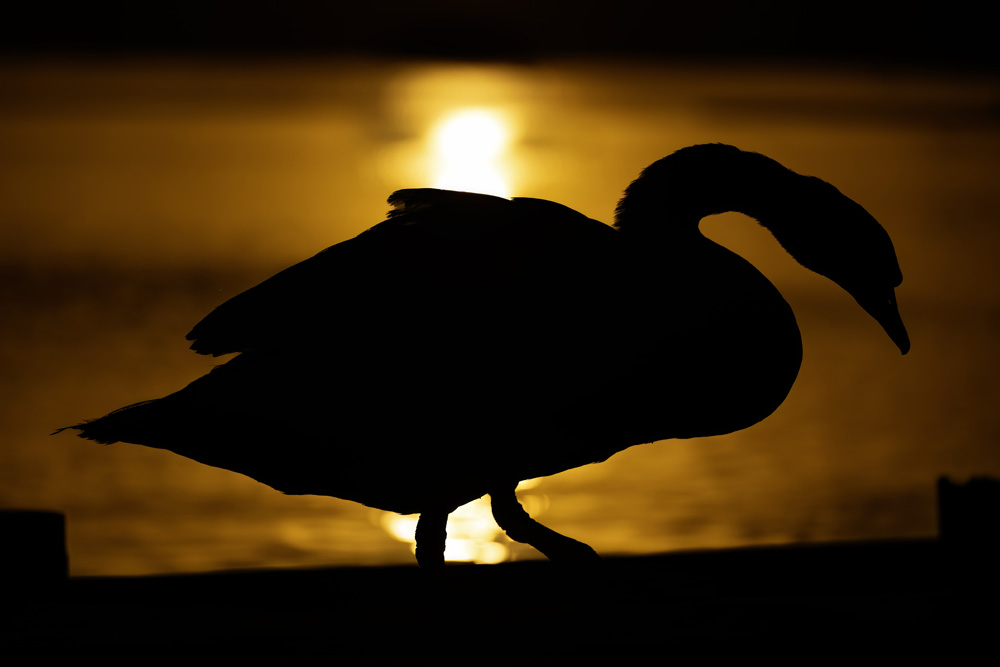
- Backlighting can create halos around feathers
- Silhouettes at sunset or sunrise add mood
- Low Key – swans in any shadowy area shot under exposed look incredible.
Ethical Photography
Swans are protected under UK law. Disturbing them, especially during nesting season, can be harmful.
Do:
– Keep a respectful distance
– Use long lenses instead of approaching
– Observe quietly and avoid sudden movements
Don’t:
– Feed swans for photo ops
– Approach nests or cygnets
– Use flash near water or wildlife


Final Thoughts
Photographing swans is a rewarding experience that combines technical skill with artistic vision. Their serene beauty and expressive behaviour offer endless creative possibilities. With patience, respect, and a keen eye, you can create images that not only showcase their elegance but also inspire others to appreciate and protect these majestic birds.
I spent a lot of time at the beginning of 2024 at Hogganfield Loch and set myself a personal project to pick a common subject, in this case swans and try to photograph them in new and creative ways. I can honestly say that this simple project improved my photography dramatically and really got me looking at light and composition in a very different way. Over the years I have built up a new found respect for these birds and get as much pleasure photographing them as I do some of the more exotic species on my overseas tours.
I hold my beginners and advanced workshops at Hogganfield Loch and it is an amazing location with fantastic light to photograph these amazing birds, If you would like to learn how to photograph Swans and other birds then get in touch.