
The Wildlife Photographer’s Journey
Every photographer begins in a different place, but most of us share the same starting point: An interest and fascination with the natural world.
For some, it begins in childhood—watching robins hop across a lawn or marvelling at the vibrant pink of a chaffinch. For others, it comes later, when picking up a camera suddenly changes how we see the world. A flash of colour. The sudden appearance of a wing. The challenge of capturing it before it disappears.
Regardless of where we start, the journey of a wildlife photographer often follows a familiar path.
Stage One: The Spark
The first images are exciting, whether they’re technically perfect or not. We chase wildlife with a kit lens and little understanding of light, yet every frame feels magical. We go out with an empty memory card and fill it quickly; we can’t wait to get home and see what we have got.
We photograph anything with feathers or fur – often from a distance, often in harsh bright light, and often with settings we barely comprehend. Usually starting in auto and sometimes struggling with focus. But none of that matters. We’re hooked.
Stage Two: The Obsession
Soon, our new curiosity turns into commitment and dedication.
We read articles, watch tutorials, and upgrade gear—sometimes prematurely—believing the next lens or camera will transform our work. This is something that I was guilty of. Buy a better camera and take better images. Simple. We learn species names, calls, and behaviours. We start going out before sunrise for better light, crawl through mud to get a better angle, and revisit the same subjects countless times, driven by the hope of capturing something extraordinary.
Stage Three: Frustration
Eventually, we notice the issues with our images.
Images lack sharpness. Backgrounds feel cluttered. Light seems unforgiving. We scroll through social media and compare ourselves to photographers with decades of experience. Doubt creeps in. The excitement fades. Sometimes, so does the joy. This is the point most people just give up. This is the stage that a lot of people lose confidence and become disillusioned. The unforgiving world of Social Media can play a part in this.
Stage Four: Realisation
Then, something changes.
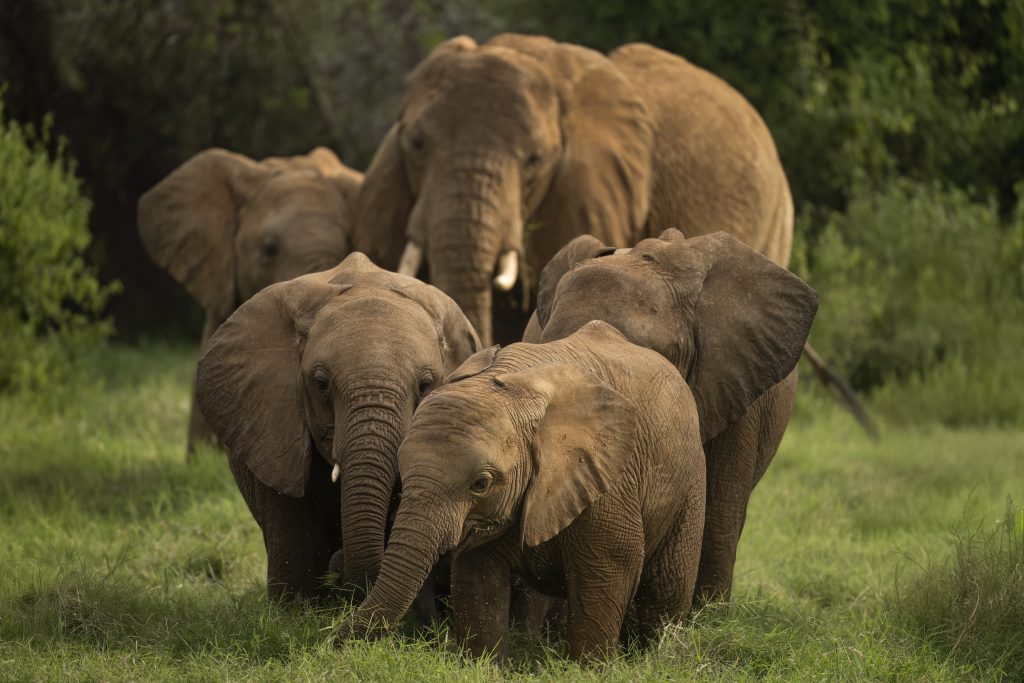
We stop chasing new equipment and start chasing light. We learn patience – not only in the field but with ourselves. We start understanding the importance of practicing and become more focused in what we are doing. We stop expecting every frame to be a portfolio piece. Instead, we begin to appreciate the story in behaviour, the elegance in posture, the subtle differences that light can make and the beauty of imperfect conditions.
Our Wildlife photography becomes less about the subject and more about the whole scene – attention to backgrounds, light, and connection.
We realize we’re no longer out there just for the photographs. We’re out there because we want to be—because watching a kestrel hover or hearing the distant call of a curlew relaxes us in a world that often feels chaotic. The camera becomes an extension of how we experience nature, not merely a tool for documentation.
Stage Five: Finding Your Voice and Style
Eventually, we discover our rhythm.
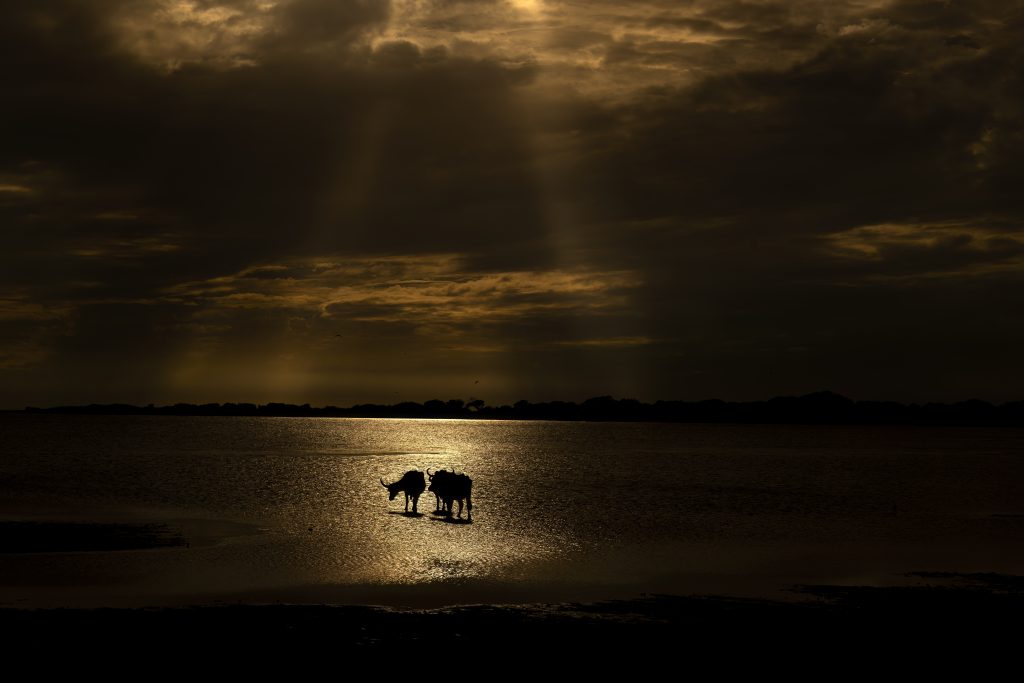
We stop copying and comparing ourselves to others and embrace our own style. Some pursue rare species. Others stay close to home, capturing familiar wildlife in different light. Some strive for technical perfection, while others lean into mood and atmosphere or creativity.
Every approach is valid. Your voice and style is shaped by experience, choices, and perspective – not by trends or comparison.
The Journey Never Ends
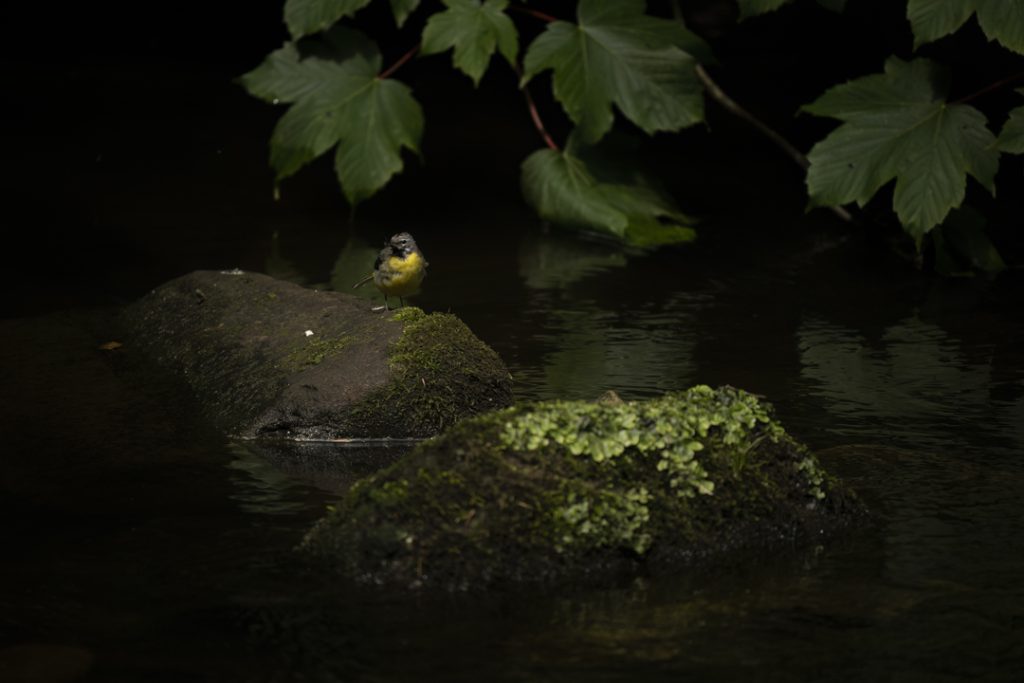
There is always more to learn, more to see, and more ways to improve. But if we’re fortunate, we come to understand that wildlife photography isn’t just about creating images – it’s about the experience and benefits of being nature and the presence, humility, and gratitude.
If you’re just starting out, embrace every stage of the process.
If you’re further along, share what you’ve learned and mentor others
And if you’re somewhere in the uncertainty of the middle area and are struggling with expectations or wondering if you’ve lost your spark and confidence know this: you’re not alone. Every photographer has been there.
This path is challenging, unpredictable, and deeply rewarding.
Final Thought
Wildlife photography begins with interest and fascination. But it evolves into something far greater: a way of seeing, a way of slowing down, and a way of connecting with the natural world.
I went through this journey and at times nearly gave up but a message to everyone:
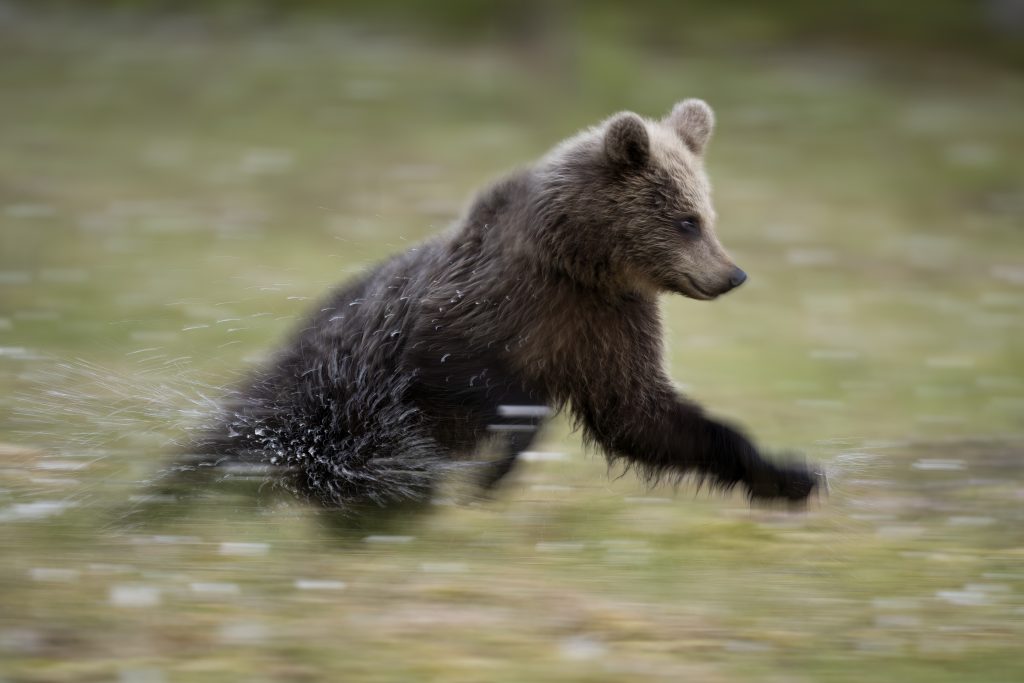
Keep going and don’t give up. Keep learning and practicing. Keep going out and keep trying. The journey itself is the reward.
If you have enjoyed reading this blog post then why not check out some of my other blogs or join me on a workshop.