
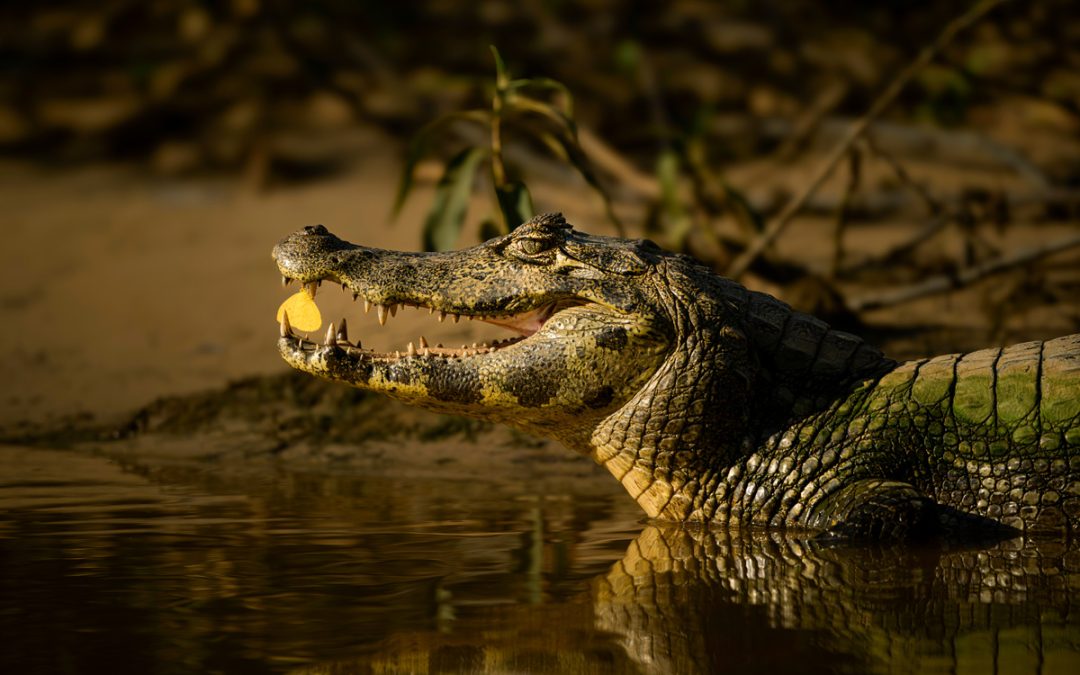
What I Wish I Knew When I Started Wildlife Photography
The idea for this blog post came from a conversation at a recent workshop where I was asked, “how did you get good at photography?”
My answer was a less detailed version of this blog post, but it really did get me thinking about my own journey in to photography.
When I first picked up a camera and headed out in search of wildlife, I imagined returning home with magazine-worthy images of soaring eagles, majestic deer, and elusive foxes. The reality was very different. Most of my photos were blurry, poorly exposed, or featured animals that were little more than tiny dots in the frame.
Looking back, there are several lessons I wish someone had told me when I was starting out. If you’re new to wildlife photography, these insights might save you time, frustration, and a few missed opportunities.
-
It’s Not About Having the Most Expensive Gear
One of the biggest misconceptions I had was believing that better equipment would instantly make me a better photographer. While quality gear certainly helps, it doesn’t replace patience, fieldcraft, and practice.
Some of my favourite wildlife images were taken with equipment that many professionals would consider basic. Learning how to use your camera effectively will improve your photography far more than constantly upgrading your gear.
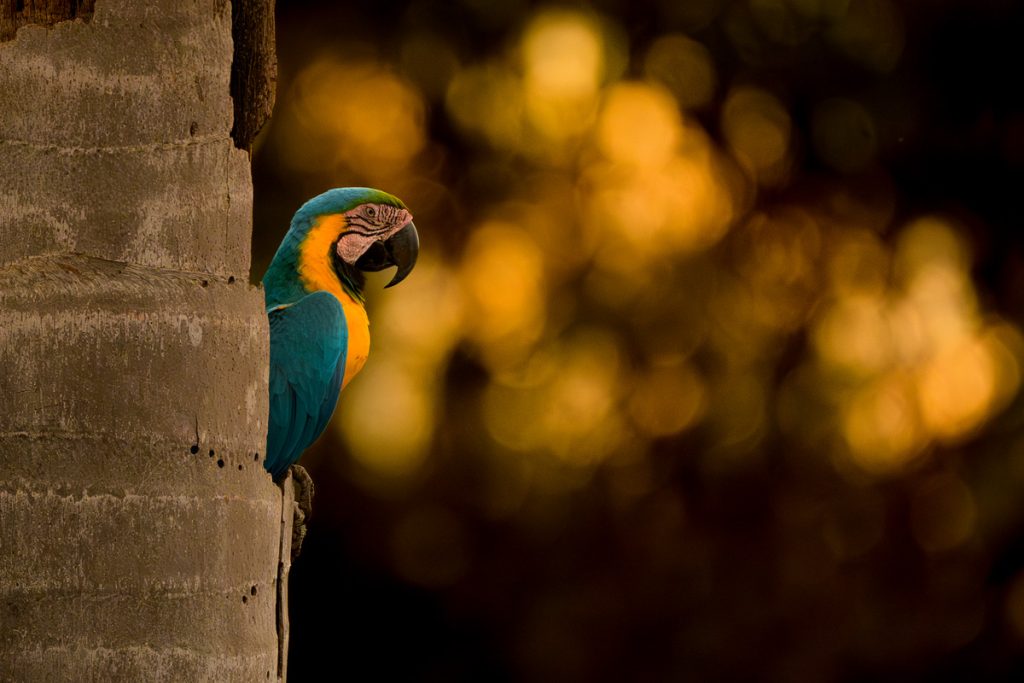
I cover this in detail on my Beginners Workshops and I am a firm believer that it doesn’t matter what camera and lens you have with a few tweaks to your settings and practice you can improve your images significantly. This image below was taken on an entry level Nikon D70 camera which is only 6.1mp.
Focus on mastering what you already have before chasing the latest equipment.
-
Patience Is More Important Than Photography Skills
Wildlife doesn’t work on your schedule.
I used to spend a few minutes in a location, see nothing, and move on. Experienced wildlife photographers understand that sometimes the best strategy is simply to wait.
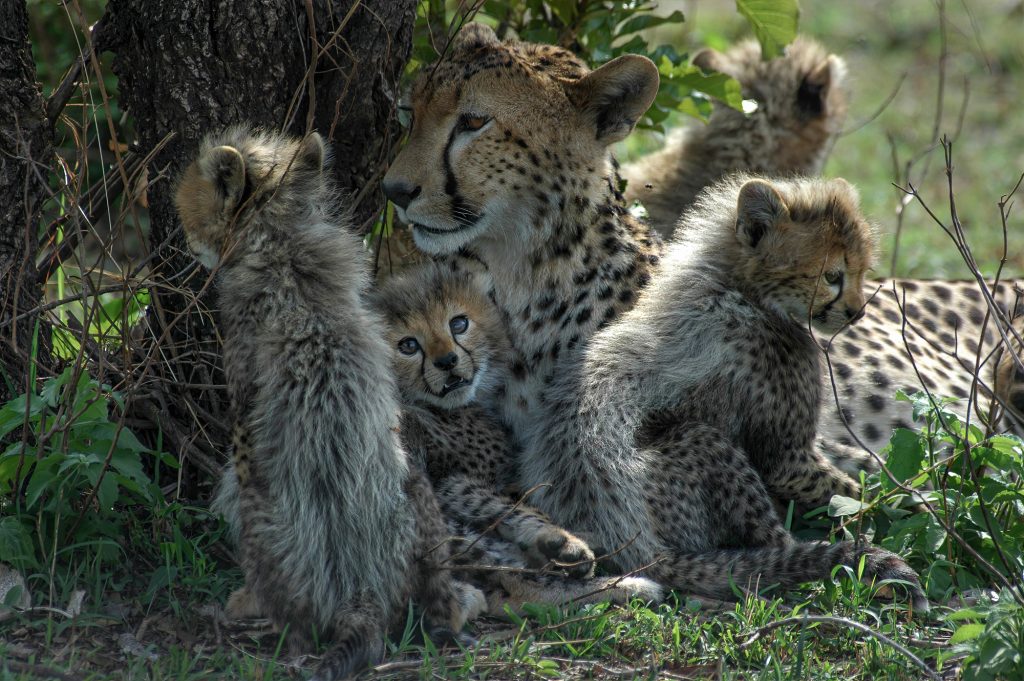
Many animals follow predictable patterns. The longer you spend observing an area, the more likely you are to witness interesting behaviours and capture unique moments. Otters are a great example of this. You will be well rewarded if you just sit in an area that is ideal otter habitat and just wait.
An interesting challenge or assignment is to stay in the same place for 30 minutes and see what you can see and capture. You will be surprised. This also makes you more aware of changing light and how this impacts your image.
The best wildlife photographers are often the most patient people in the field.
-
Learn Animal Behaviour
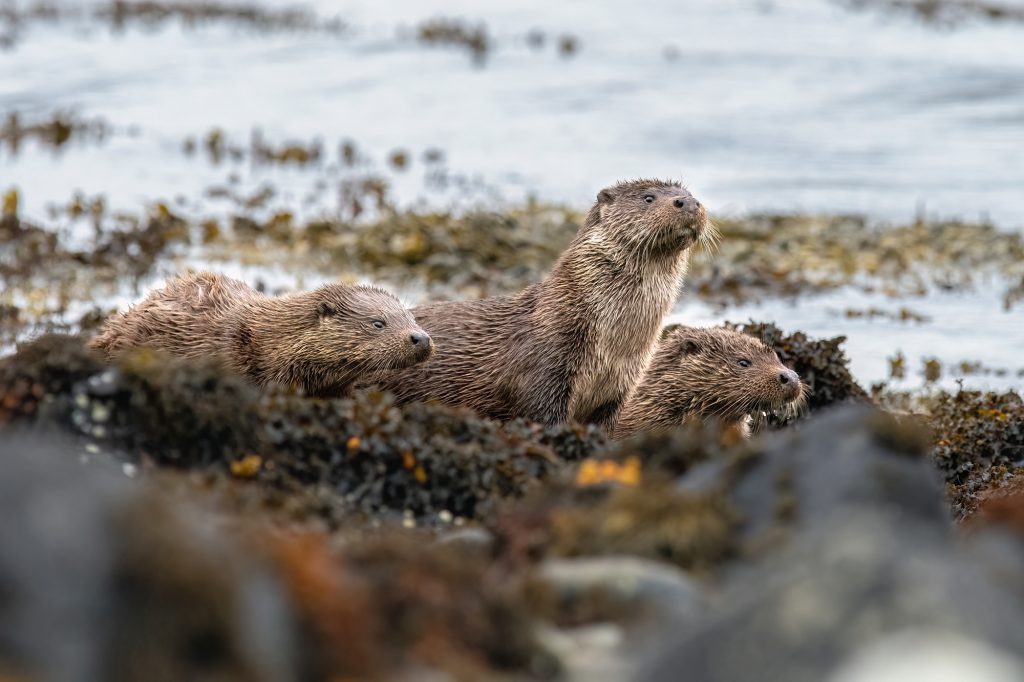
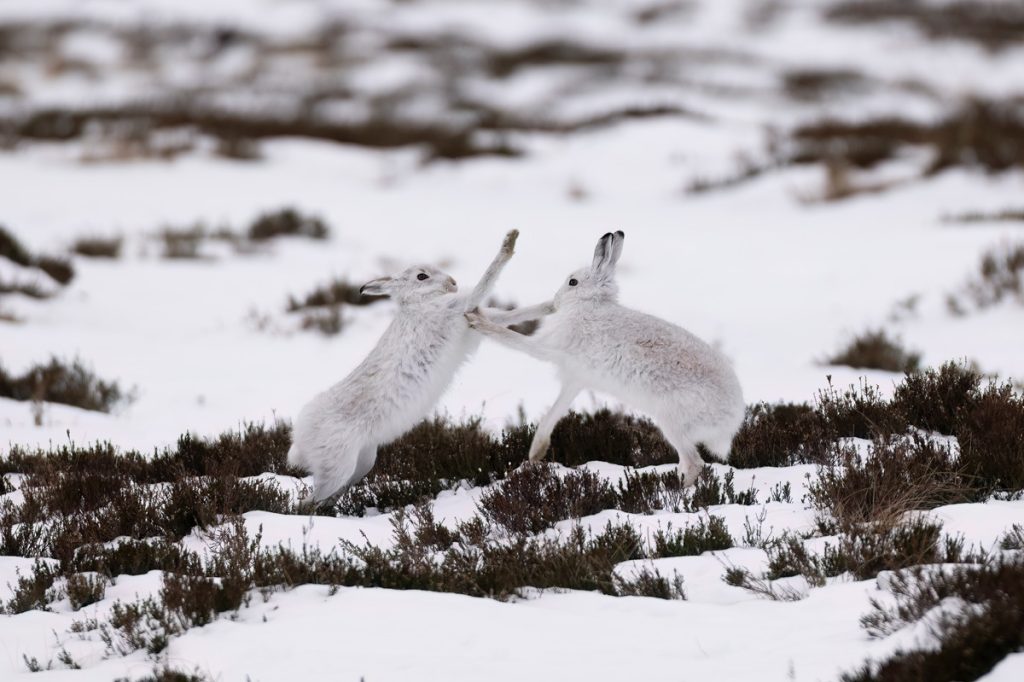
Understanding animal behaviour transformed my photography more than any camera setting ever did.
By learning when birds are likely to take flight, when deer tend to feed, or how certain species react to human presence, I started anticipating moments instead of reacting to them.
I haven’t always been fortunate enough to own a camera that shoots at a high frame rate and I found that my understanding of behaviour helped me get an extra couple of frames per second which can be invaluable.
You can learn by observation. Sometimes you may miss a shot but if you recognise the behaviour that led to that shot then the next time you can be ready.
When you know what’s likely to happen next, you’re ready with your camera before the action unfolds.
You don’t have to be an expert on a species but read some facts on the animal and also consider going with a guide to help accelerate your learning.
-
Everyone Misses an Image
In a world driven by social media and likes it is sometimes hard to believe that the photographer gets it wrong. When you first start if you compare yourself to everyone else you are likely to be disappointed, frustrated and probably on the verge of giving up every day. But you are not comparing yourself to a true reality. Images that are posted online are often heavily edited and manipulated in post processing and the reality of what was captured and what you see is very different. Also, most photographers only show their best work. You don’t see the hundreds of out of focus images that result in the one perfectly panned slow shutter speed image.
But also, those images that you look at and go “WOW” at are often the result of that photographer dedicating their life and many years of practice to become that good.
Practice is key. Always practice on common subjects
Beginners – practice techniques that interest you, get to know your camera, know what changing a setting does to the image. Spend time really getting to know what your camera can do. If you do this with common subjects like Swans, Ducks and Geese then if you miss a shot it doesn’t matter as the chances are you will get that chance again.
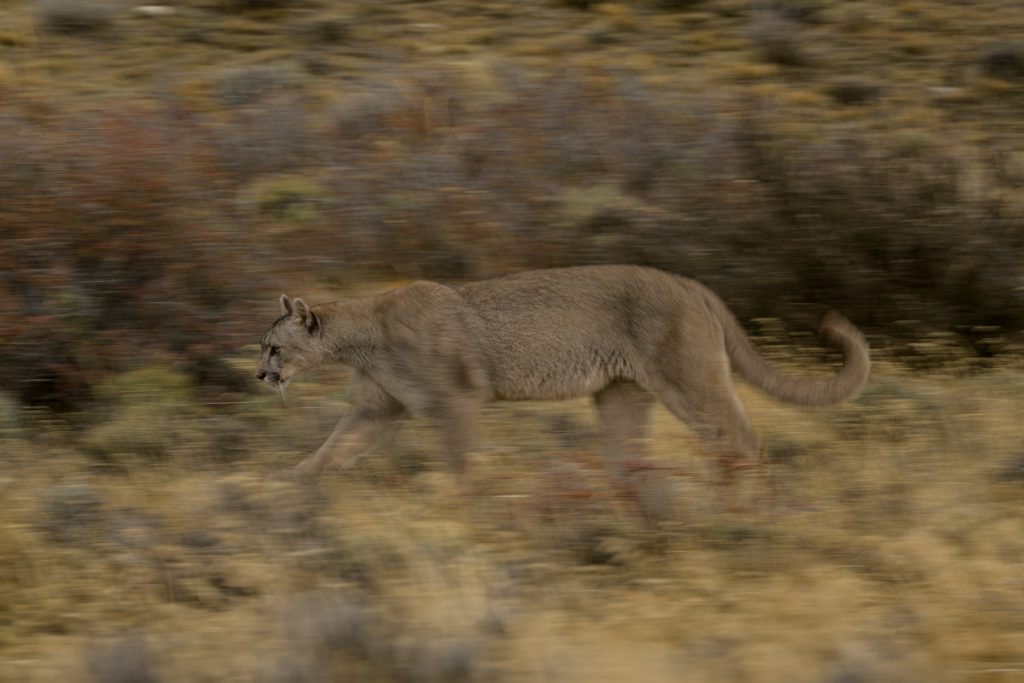
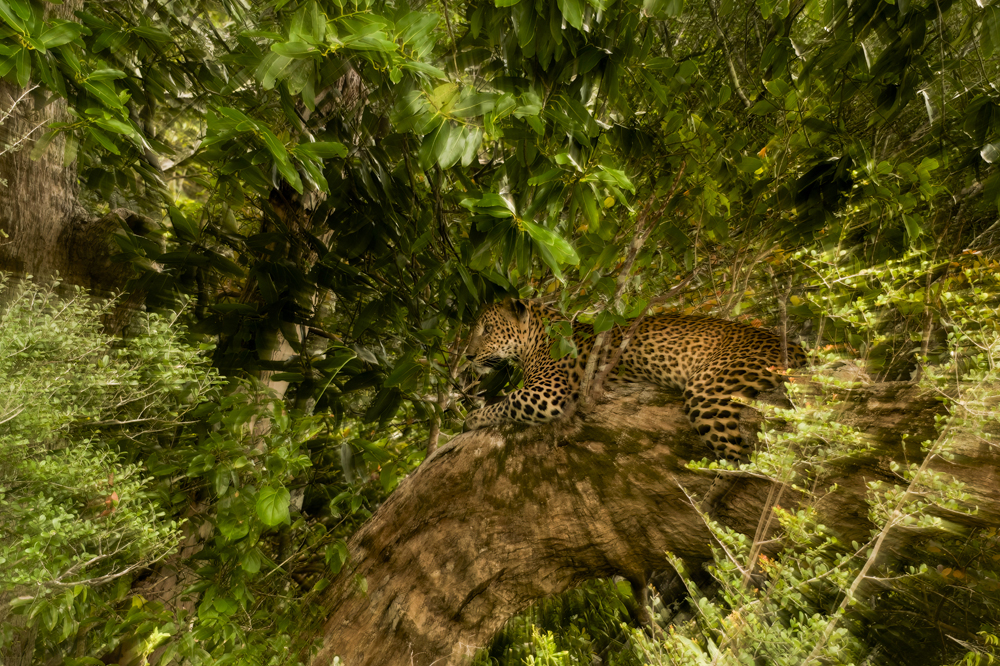
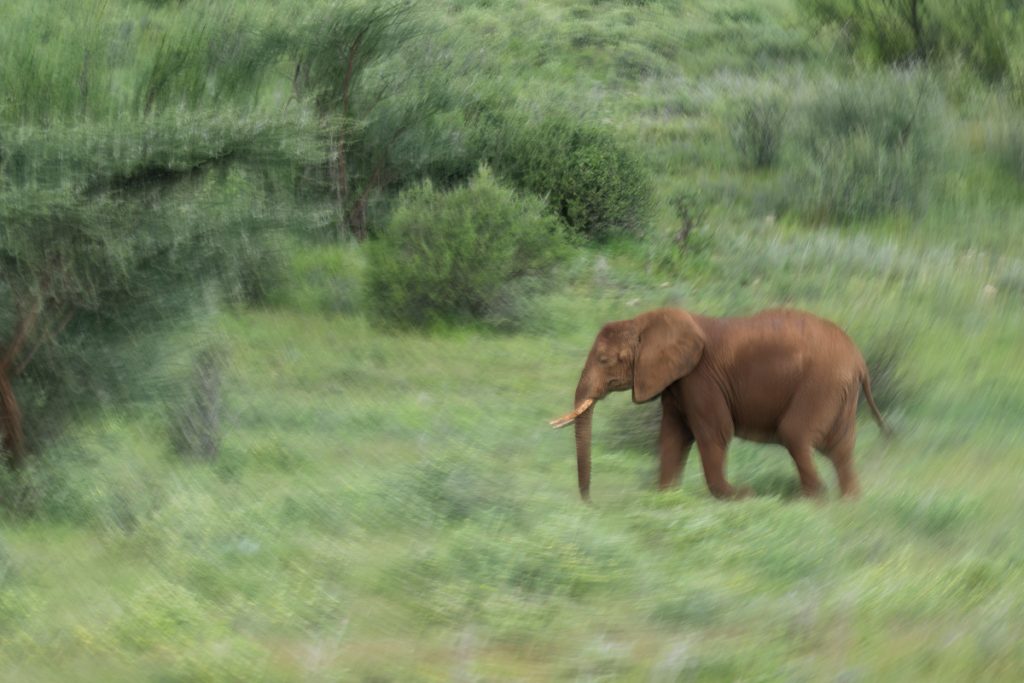
More Advanced – practice more advanced techniques but do it with a purpose. Again choose common subjects. For example set yourself a goal. Today I am not going to shoot at a shutter speed faster than 1/50s. This will improve your panning technique, if you are interested in ICM and techniques where you do zoom bursts or move the camera during an exposure, then practice. Look at light and practice shooting in different types of light.
It took me 3 years to be what I would consider to be good (high success rate) at panning, zoom bursts and camera movements.
Practice doesn’t make you perfect, but it makes you a lot better. It is like anything in life. The more you do something the better you become.
-
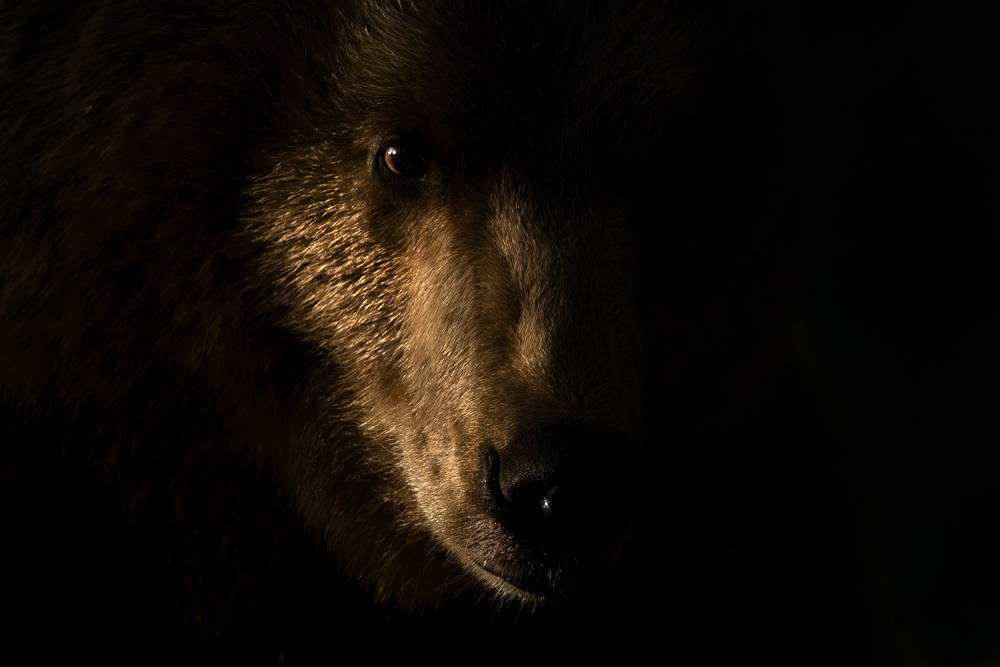
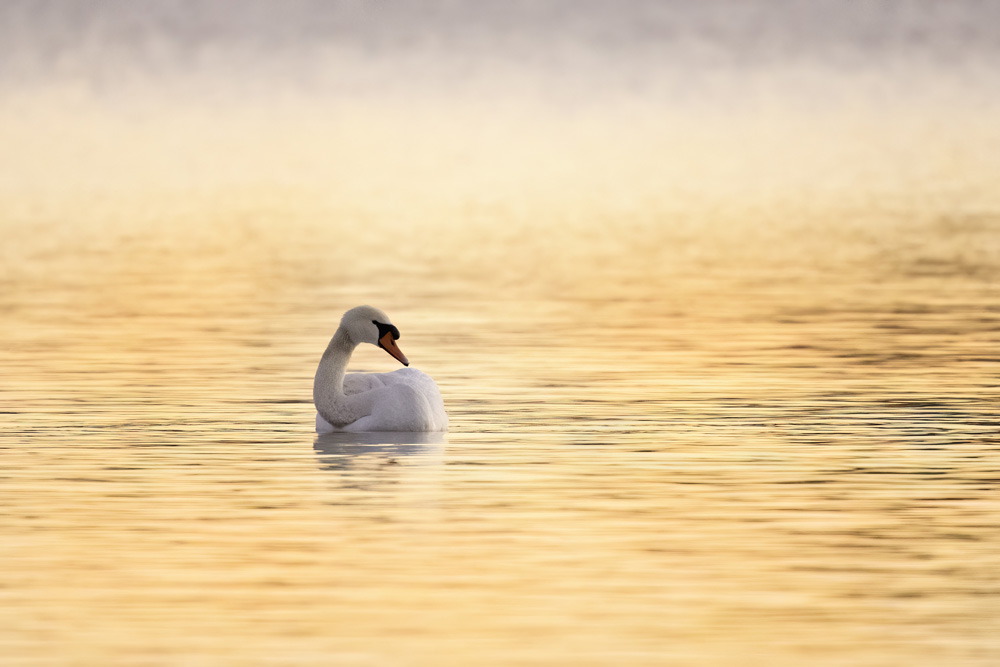
Good Light Matters More Than You Think
In the beginning, I would photograph wildlife whenever I had free time. Unfortunately, that often meant harsh midday sunlight.
The soft light shortly after sunrise and before sunset can dramatically improve your images. Colours become richer, shadows soften, and wildlife is often more active.
That being said, shooting all day is possible and in some cases very worthwhile but you need to learn how to shoot in that particular light.
If you are photographing in forests then often it is better to shoot in the middle of the day when the sun is overhead so you get the light penetrating through the trees.
A lot of people won’t shoot in the middle of the day on safari but when I host my Kenya safaris the harsh mid-day light is brilliant for producing creative high key images and this si a focus of my tours.
Whenever possible, I plan my photography around the light and the type of images that I want to create rather than my convenience.
-
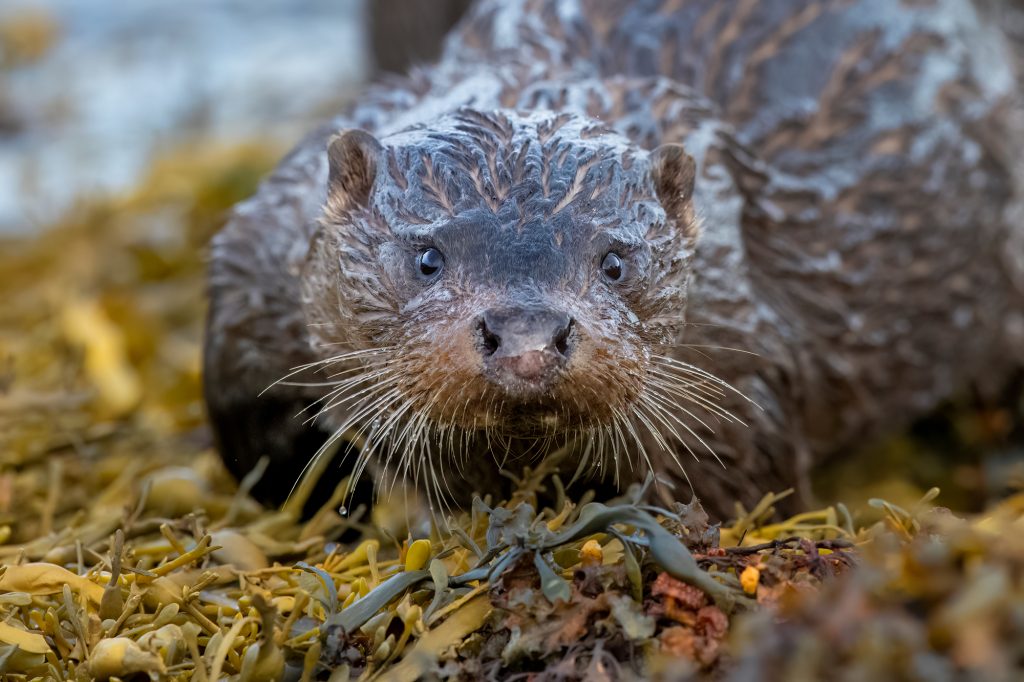
Get Eye-Level With Your Subject
One of the easiest ways to improve wildlife photos is to change your perspective.
Instead of shooting down at animals from a standing position, try getting low to the ground. Photographs taken at eye level feel more intimate and engaging.
This simple adjustment can transform an ordinary image into something much more impactful.
-
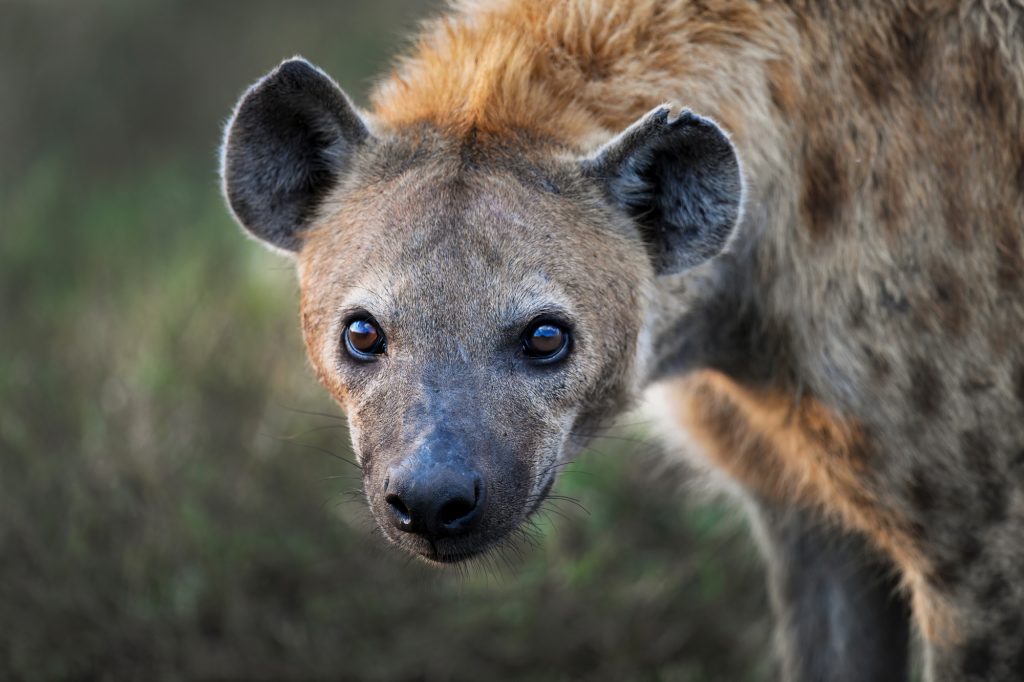
Sharp Eyes Matter Most
When viewers look at wildlife photos, their attention naturally goes to the animal’s eyes.
As a beginner, I focused on getting the entire animal in focus. While that’s important, sharp eyes are often the key element that makes an image feel alive.
If you have a mirrorless camera then most of them have eye detection focus systems that are incredibly accurate. If you don’t have this then always try and keep the focus point as close to the eye and head of the animal as possible.
A bonus tip would be if you are close to your subject and it is facing you. If there is a distance between the eyes and the nose, then you need to shoot on a smaller aperture to get both the nose and the eyes in focus. This can apply to birds where the beaks are distant from the eyes and animals such as otters. If you are more distant to your subject, then this becomes less important.
Whenever possible, prioritize focusing on the eyes and be aware of the distance between eye and nose.
-
Respect Wildlife Above All Else
Perhaps the most important lesson I learned very early on is that no photograph is worth stressing or harming an animal.
Keeping a respectful distance and recognizing signs of distress should always come before getting a shot. It is also worth noting that in the UK a lot of birds and animals are protected by law and therefore photographing them on nests or disturbing them is illegal.
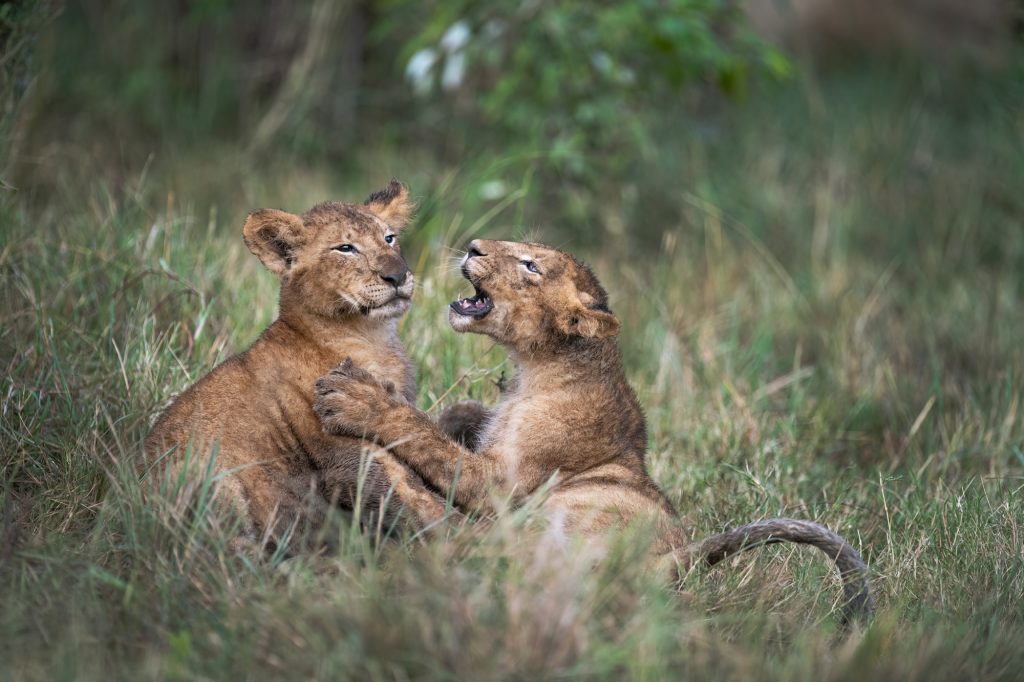
We also have a duty and responsibility as photographers when we travel abroad to respect the wildlife that we see. Safaris are a prime example of this. There is a ridiculous craze that has been driven by social media to get as close as possible, and this results in animals being disturbed from hunting or behaving naturally. I have often asked my guides to drive away from sightings that are overcrowded or where there are obvious signs of stress in the animals.
Wildlife should never have to pay the price of a photo and seeing images and videos online of hundreds of vehicles around big cats in Masai mara is sad. Especially when they are blocked from what they would naturally do. There is no easy answer to the issue but a good starting point is to ensure that we don’t put a photograph above the wildlife, we don’t need to be close enough to take a selfie and we also can choose not to stay at a sighting that already has lots of people.
Wildlife photography should celebrate nature, not interfere with it.
-
The Background Is Just as Important as the Subject
I used to focus entirely on the animal and ignore everything behind it.
A distracting branch, bright patch of light, or cluttered background can ruin an otherwise excellent image. Learning to pay attention to the entire frame improved my photography dramatically.
I am at a stage now where I will sometimes position myself for the background rather than the subject and hope that the specific animal or bird walks in to the frame with the background that I want.
Colours in the background can also be important. Hides are a good example of this. Most of the baited perches are fixed and cannot be moved and therefore changing seats can give you a completely different background colour.
Before pressing the shutter, take a moment to look beyond your subject.

-
Enjoy the Experience
When I started, I became so focused on capturing great photographs that I sometimes forgot to appreciate the wildlife itself.
This lesson took me the longest to accept.
Some days you’ll spend hours outdoors and come home with nothing worth keeping. That’s completely normal. Weather conditions change, animals stay hidden, and sometimes luck simply isn’t on your side.
Don’t measure success solely by the number of photos you bring home. Every outing teaches you something about wildlife, photography, or both.
Being in Nature is also very beneficial to mental health and being out in nature and slowing down in such a fast-paced world can be of more benefit to you than the actual photography.
Some of my most memorable moments outdoors never resulted in a single photo. They were simply experiences I was lucky enough to witness.
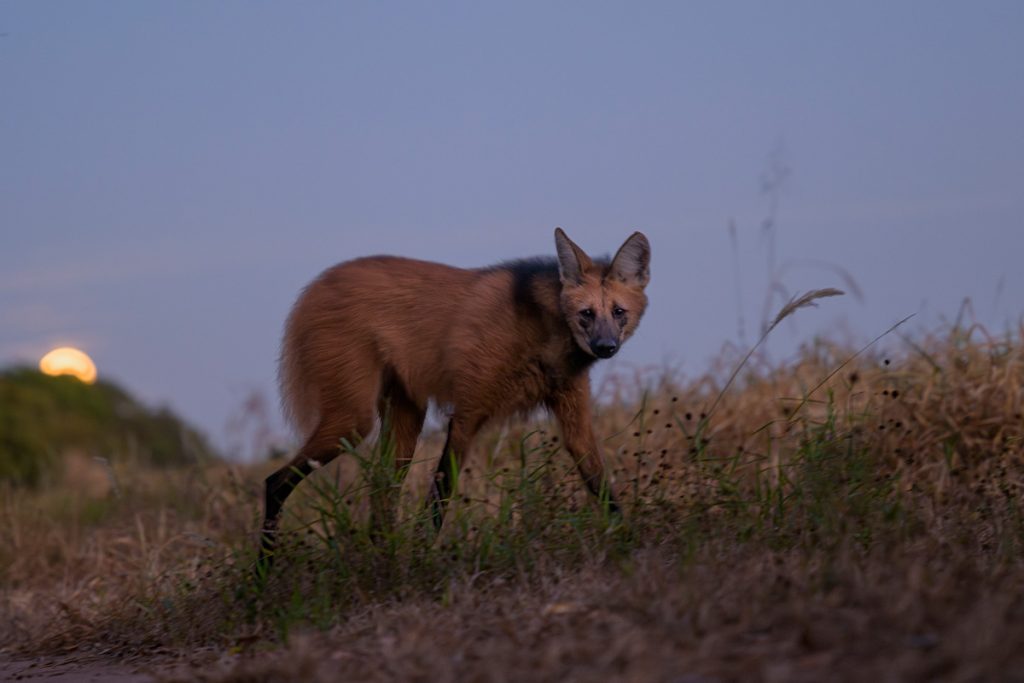
Photography is a wonderful reason to spend time in nature, but don’t let the camera prevent you from enjoying the moment.
Wildlife Photography should always be about the experience and not just the image.
Final Thoughts
Wildlife photography is a journey filled with challenges, excitement, and constant learning. If I could give my younger self one piece of advice, it would be this: focus less on perfect photographs and more on becoming a better observer of nature.
The technical skills will come with time and practice. The real magic happens when you slow down, pay attention, and develop a deeper connection with the wildlife you’re photographing.
And remember: every experienced wildlife photographer started with blurry photos, missed shots, and plenty of mistakes. Keep learning, keep practicing, and most importantly, keep enjoying the adventure.
If you are interested in learning more and want to advance your skills in a relaxed environment with someone who has taught, guided and mentored thousands of photographers then get in touch with me.