

8 Secrets for Beginner Wildlife Photographers
8 Secrets for Beginner Wildlife Photographers – I am often asked what the secret to wildlife photography is or “How can I make my images look more professional”. I have even be asked “What camera should I buy to make me a better photographer”.
Wildlife photography is one of the most amazing and challenging genres out there. It demands patience, precision, and a deep respect for nature. Here are my 8 secrets for Beginner Wildlife Photographers. These are based on the steps that I went through when I started out and the common things I see on my workshops and tours.
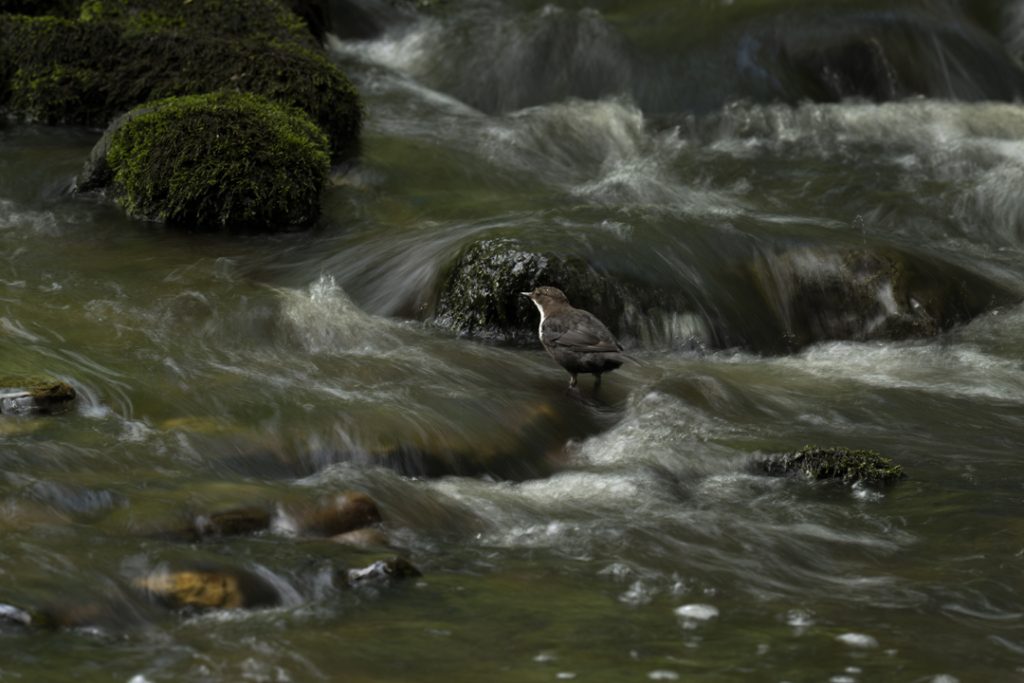
1: You can still take poor photos with an expensive camera
Every camera operates on the same principle elements.
- Aperture
- ISO
- Shutter Speed
For me, if you can understand these 3 fundamentals and the impact that they have on your images then that is enough to get started. There seems to be an obsession where you have to shoot completely manual to be a photographer. I disagree with this. Some of the Semi Automatic Modes like Aperture Priority and Shutter Priority can be used to capture some impressive images. I spent years working on a way of simplifying my camera settings and way of shooting so that I could concentrate on the creative aspects, like composition, colour, and lighting. I either shoot in Aperture Priority or Manual but always with Auto ISO. I choose the mode that I shoot in based on the subjects that I am photographing and the results that I want to achieve.
Everyone can learn how to use Aperture, Shutter Speed and ISO and those are the most important. You can then just build everything else from there.
It doesn’t matter whether you have a £200 camera or a £5000 camera if you don’t understand the basics then you will not get better images.
You can’t buy your way into photography with the price of your camera.
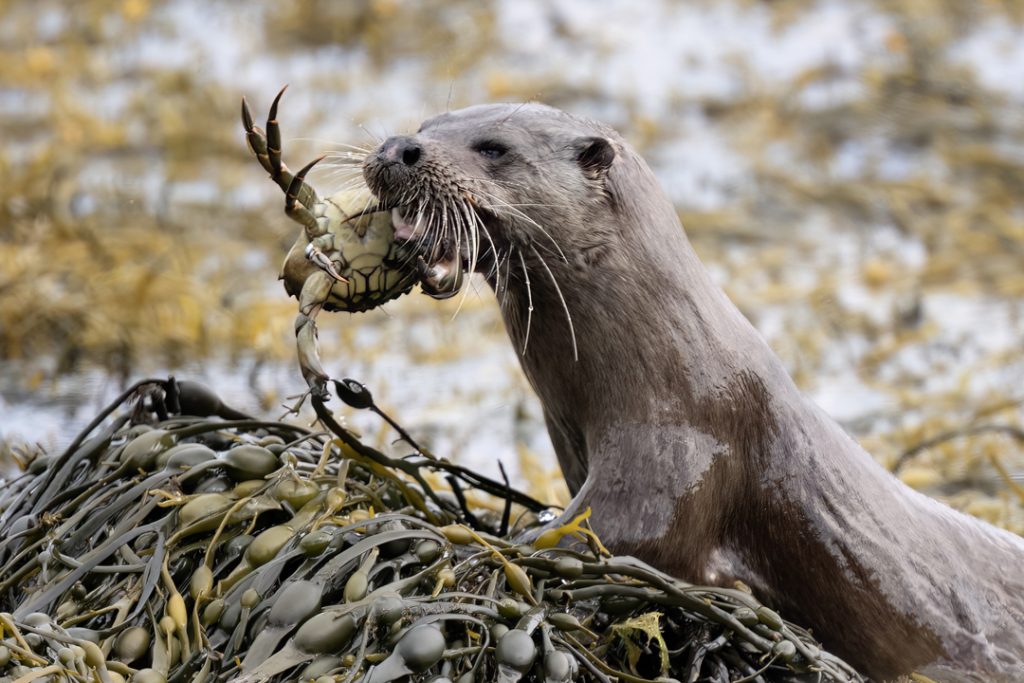
2: Every photographer takes bad images
When I first started photography. I always looked at everyone else’s works and wondered how it was always so perfect. But after a few years once I started looking at my best images that I had processed and saved, I realised that I don’t remember the bad images – only the good ones. Nobody sees the bad ones.
All photographers at every level make mistakes. Even after years of experience, they take photos that they just don’t like or have technically just not worked.
The difference is that experienced photographers know that those bad photos are just a stepping stone to get to the good photo. They evaluate them, make corrections, and take another photo.
Then they never show you the bad photos they took. Because those aren’t important.
I have developed a reputation for being a creative photographer and someone who always wants to try and do something different. This includes experimenting with extremes of light and focusing on darks and shadows, so inevitably some of my images are just too dark. I also do a lot of slow shutter speed work and these are particularly challenging.
Below are 2 Osprey Images that received a lot of positive feedback on social media. Below it are the before and after frame. Two out of 4 frames are useable. But that’s ok. You only need one frame.
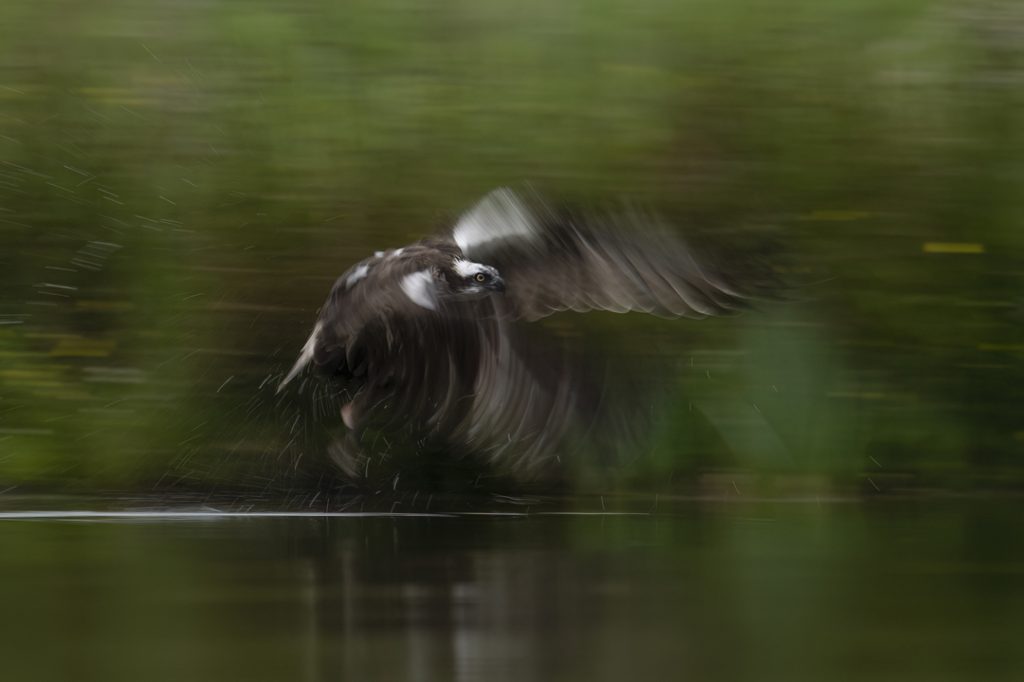
The Image and one of my favourite Osprey Images I have ever taken. Panned at 1/50s
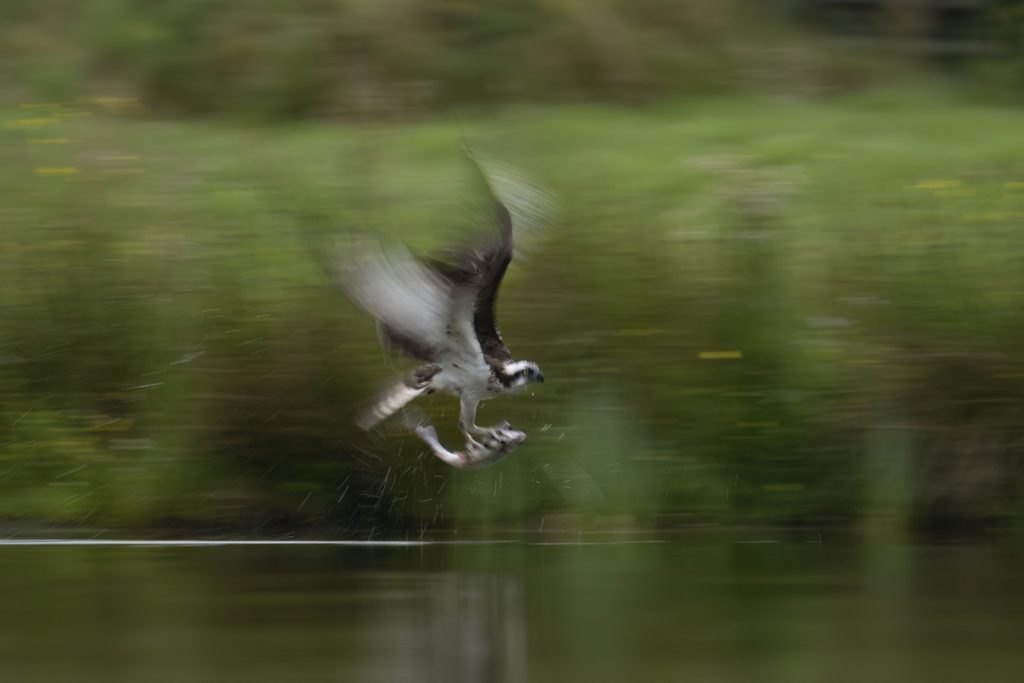
The next Image in the sequence – useable but the eye is not perfectly sharp
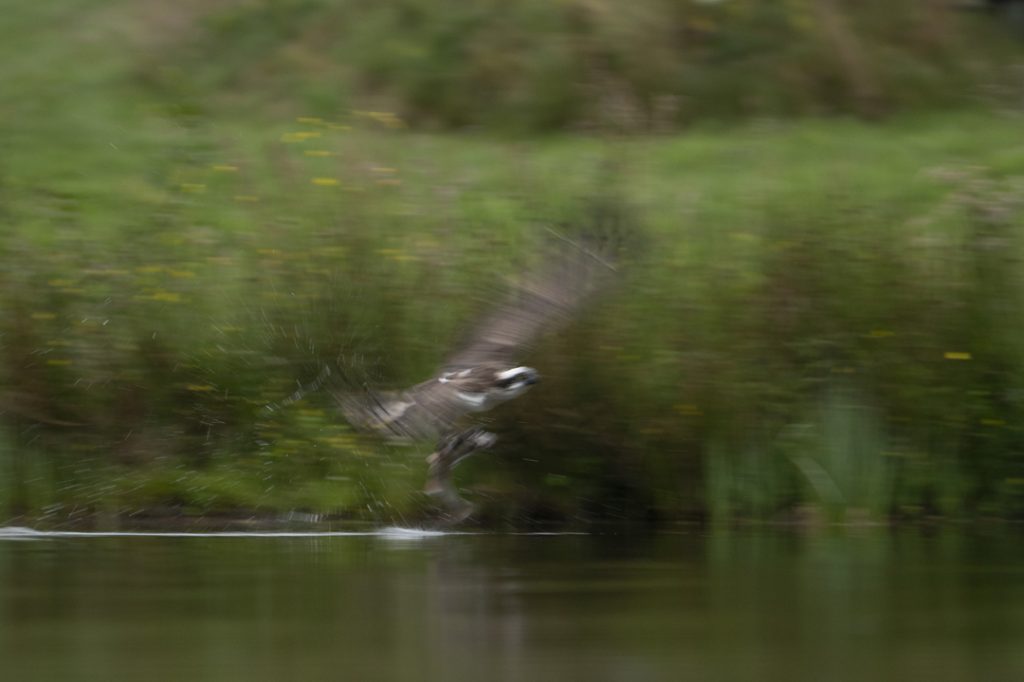
The first image of the sequence – I moved the camera too fast whilst panning
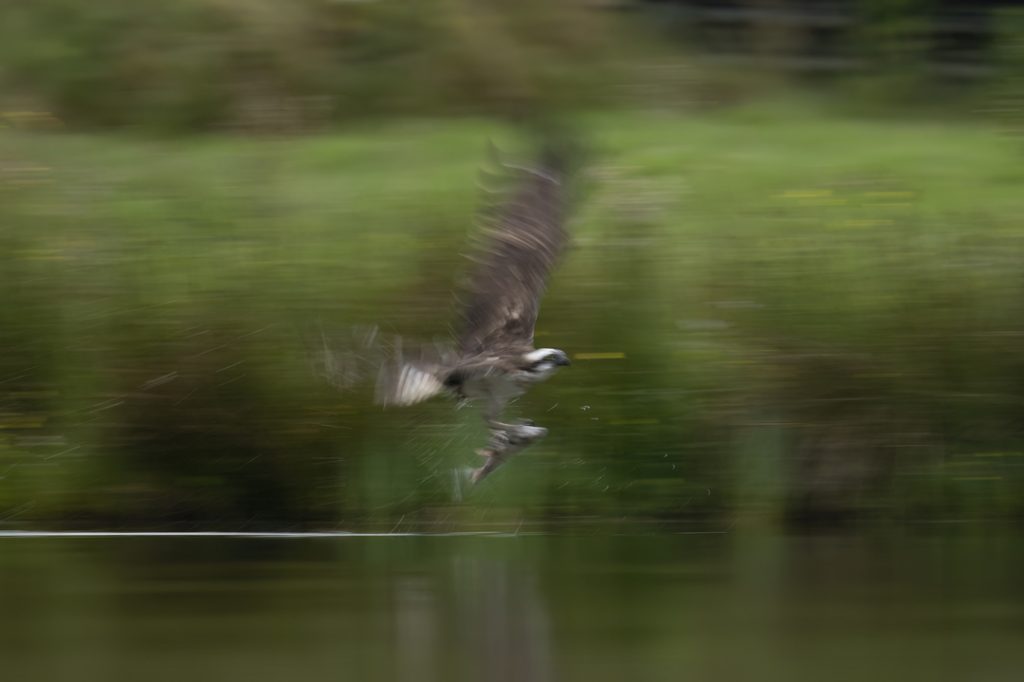
I lost focus on the Osprey
3: Be patient with yourself – practice is part of the journey
Wildlife Photography is a long journey. It takes time to learn and you never stop learning. So be patient. Don’t get upset if your photos aren’t as nice as you’d like.
Instead, take some time to evaluate what you could change. If you don’t know how to achieve a result, do some research, ask for advice and then try again.
I always say to my workshop clients that the key to being better is to practice more. If you have a goal to go on a dream African Safari and expect to come back with National Geographic worthy images, this is not a realistic goal, but it becomes achievable if you follow the journey, practice and learn what your camera can do. The moment you learn how to get your camera to see and capture the image the way you see it is the moment you will start to achieve results.

4: Think about your images
It’s tempting to want to start taking snapshots and photograph everything you see, but that’s how you get a lot of disappointing images. Stop and consider the result that you want.
Research your subject. With Wildlife especially you need to learn about what you are photographing. Read about the animal and bird and look at other images. Start to think about the images you want to try and achieve. Then decide if the conditions are right. Wait for the right time to take the photo you want. Look at the direction of the sun and the backgrounds as these things can make or break an image and are often the most overlooked things for new photographers.
If you have an idea of the result, you want before you take the image, your odds of success are much higher.
You will find as you become more accomplished you will look and watch more and photograph less. You will wait to capture key moments.
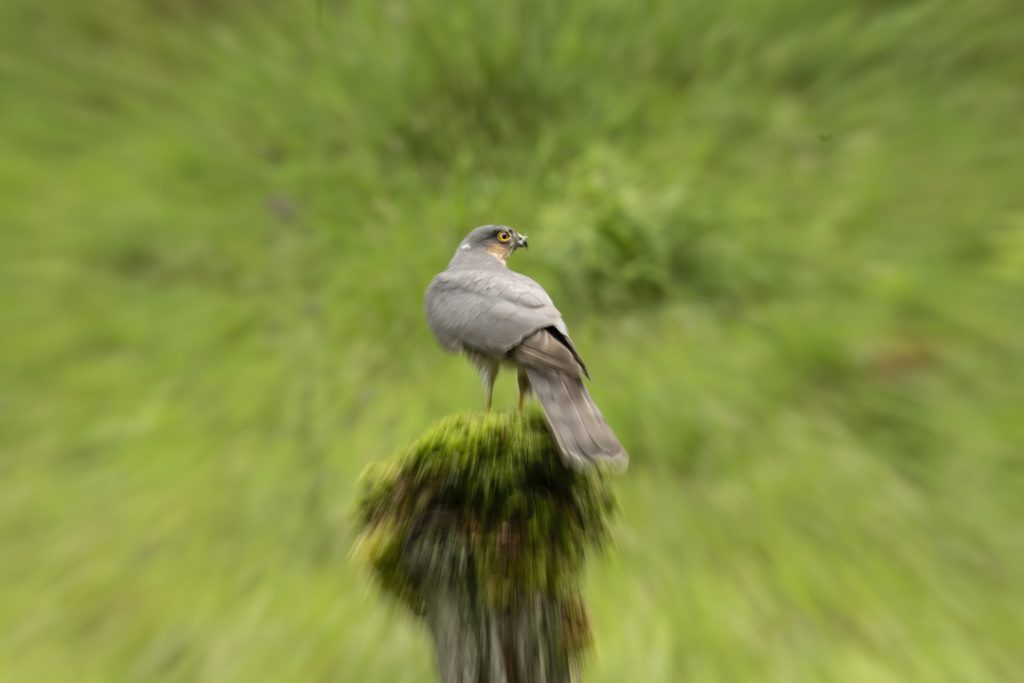
5: What you like photographing isn’t what you spend most of your time doing.
There are a lot of beautiful images that can tempt you into photography. It is usually the headline species – lions, tigers, elephants, eagles, bears, otters etc.
But unless you are very wealthy or very lucky and can travel the world on a weekly or monthly basis, you may have to find your own “headline species” closer to home”. Practice taking photos of different common subjects but make this part of your learning process. You may get fed up of photographing the local swans and ducks, but this is where your experience comes from, this is where your development accelerates. I always suggest to new photographers to pick a common subject and learn about its behaviour, then go out and take some images.
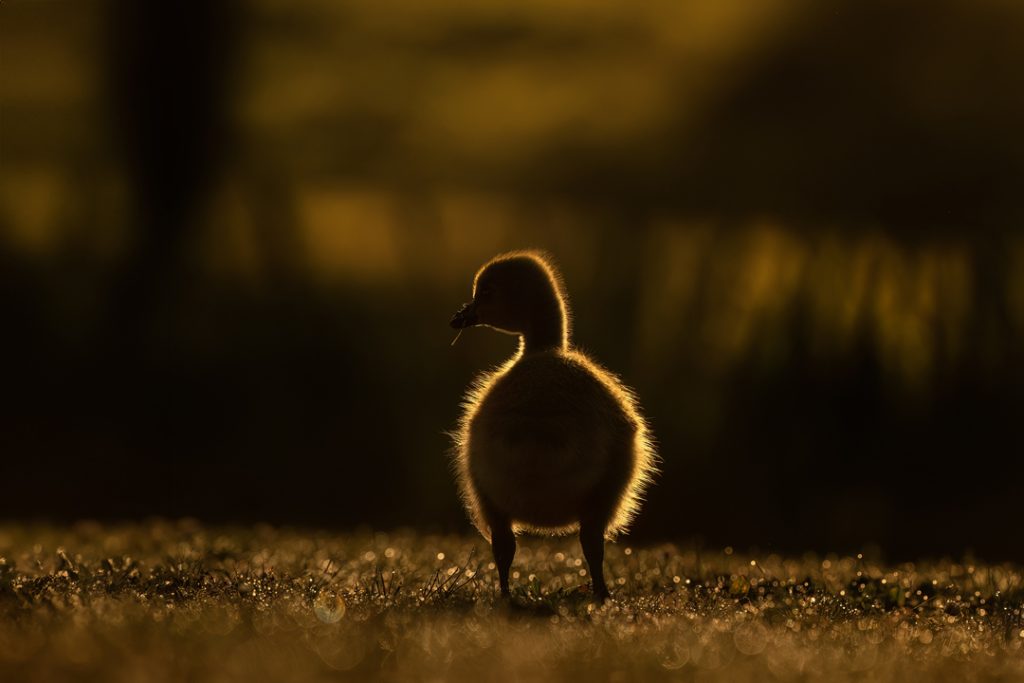
Review them and then next time only go out and shoot slow shutter speeds or only go out and shoot backlit images keep repeating this process and then at the end of 4 weeks review the best images from each day and look at your species portfolio. This forces you to learn quicker and get out of your comfort zone.
It may be boring and monotonous but learning to photograph a swan or heron on a lake with lovely side lighting can then be used to enhance your safari portfolio when you see a scene that you are familiar with. Learning on a trip of a lifetime is dangerous (unless you do a specific photographic safari) and the likelihood is you will be disappointed with your images. But put the time and effort in before the trip and you will soon develop a strong understanding of the shots you want based on the familiarity of the scenes that you see.
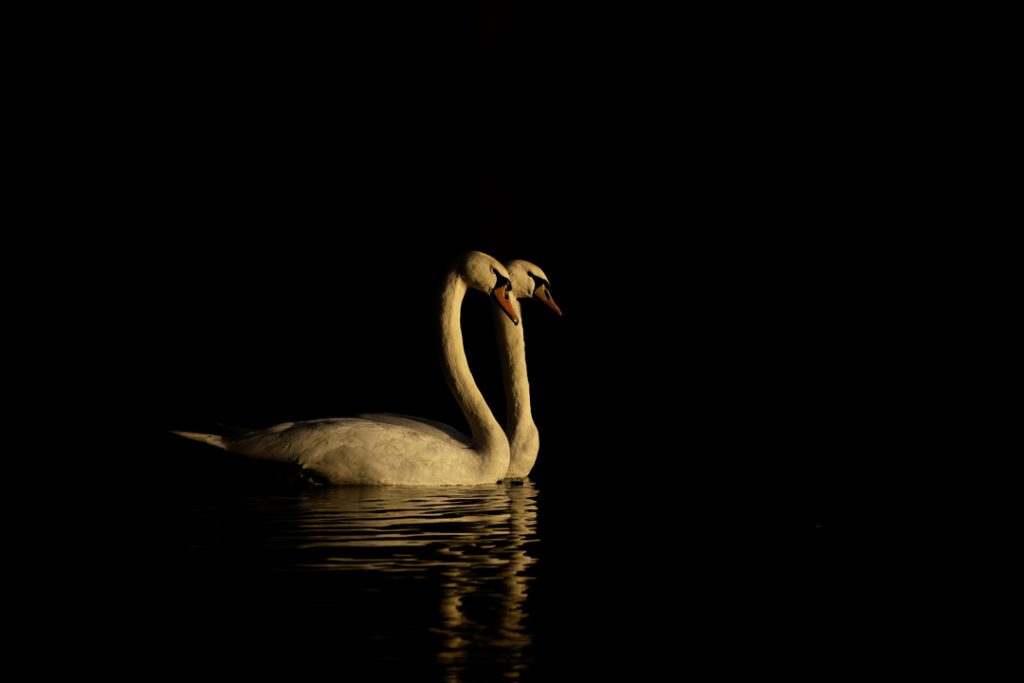
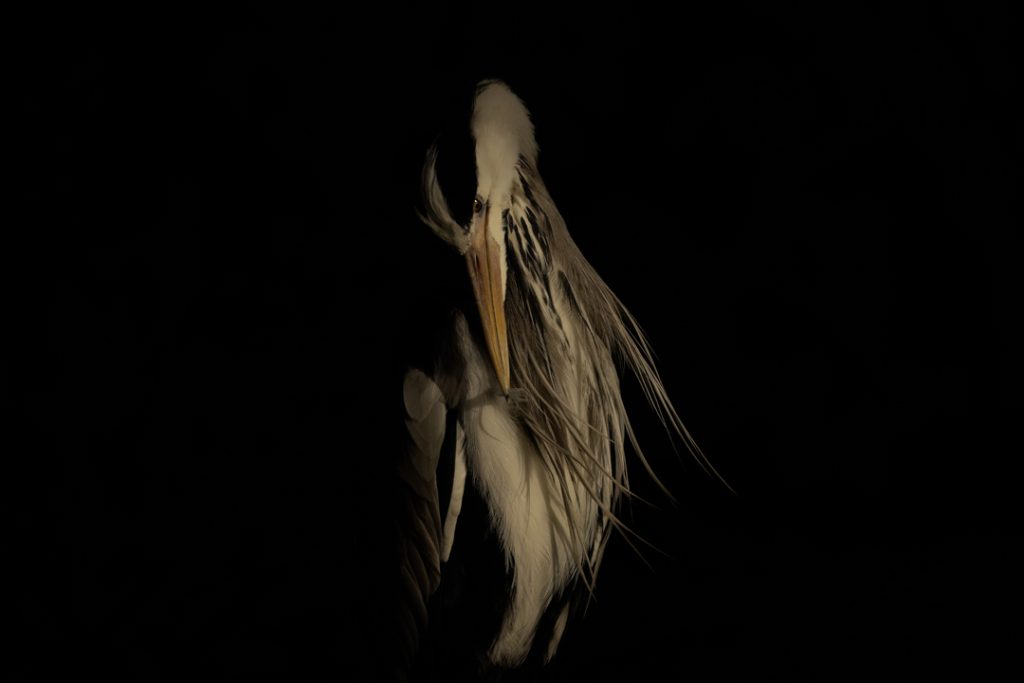
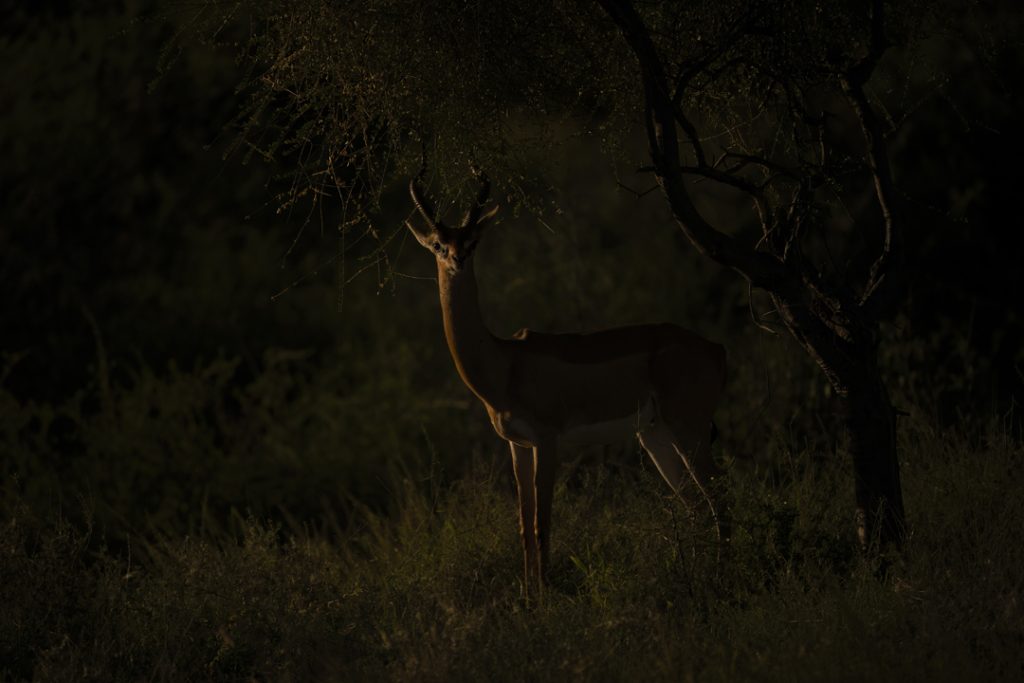
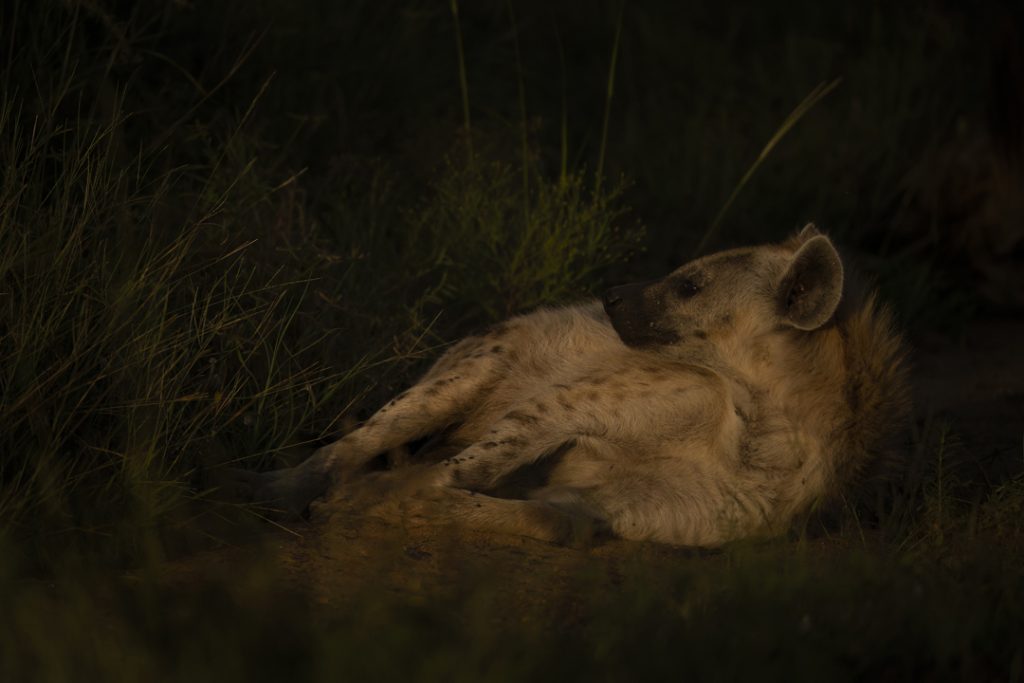
6: Focus on storytelling
People don’t just want to see a photo. They see stuff all the time and can be boring.
What they want is something interesting, and one of the best ways to make something interesting is to create something that evokes emotion.
One of the best ways to do this is to try and tell a story. I always encourage workshop and tour participants to do this.
Read this blog post for more tips on storytelling.
Whilst on this subject when using social media don’t post too many images of the same thing. They may all be technically good images but do they contribute to the story that you are trying to tell or are you just filling social media with every image you took on a particular day. Post less images that tell the story, that way your images will stand out more.
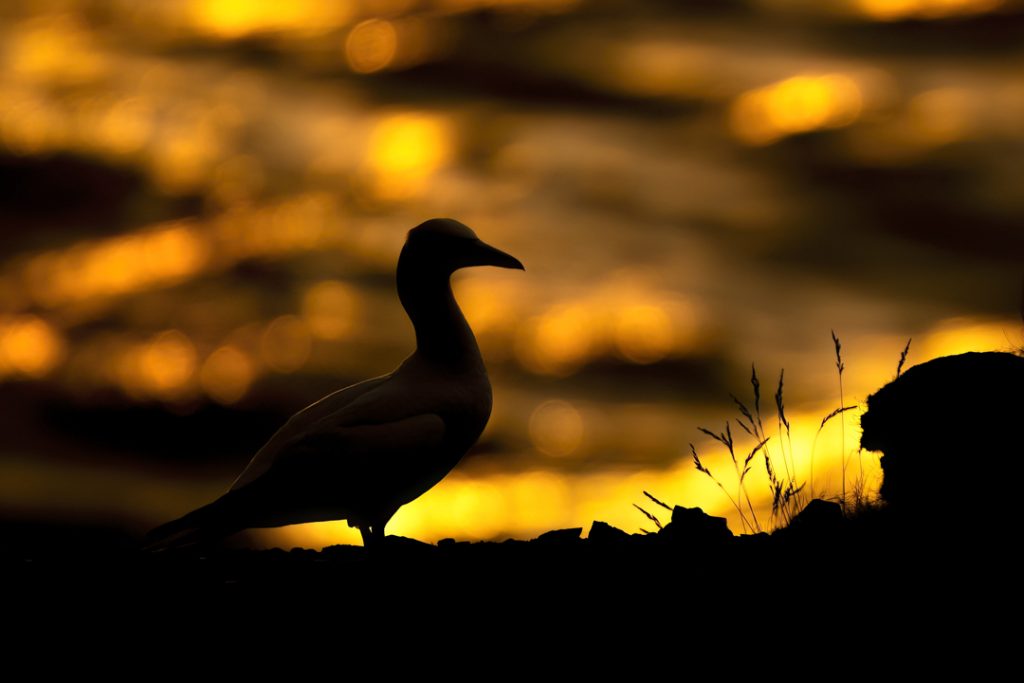
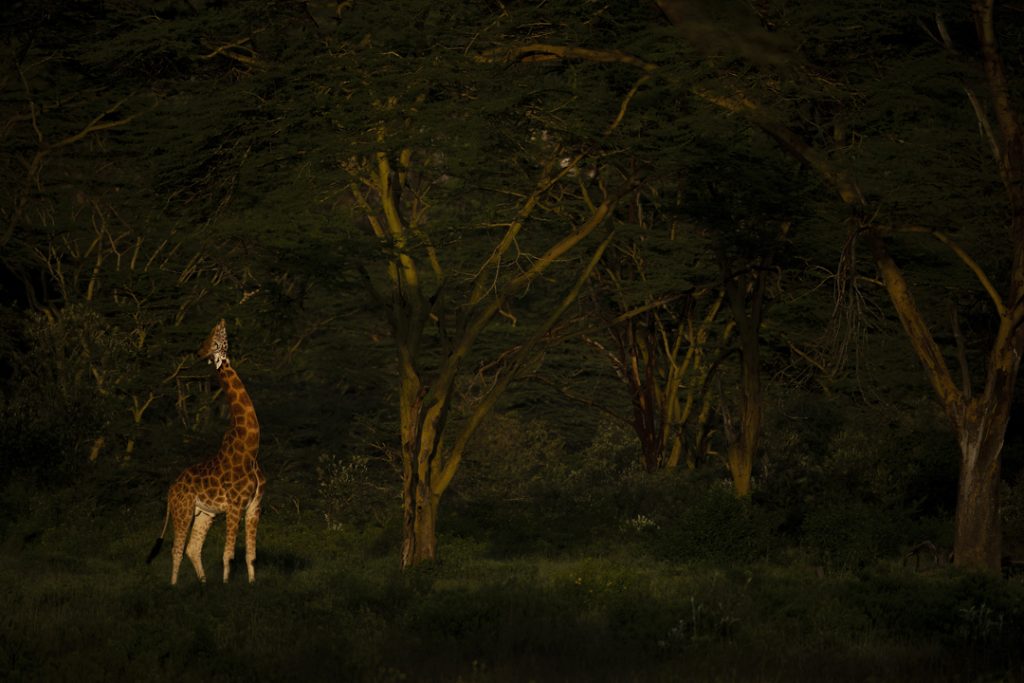
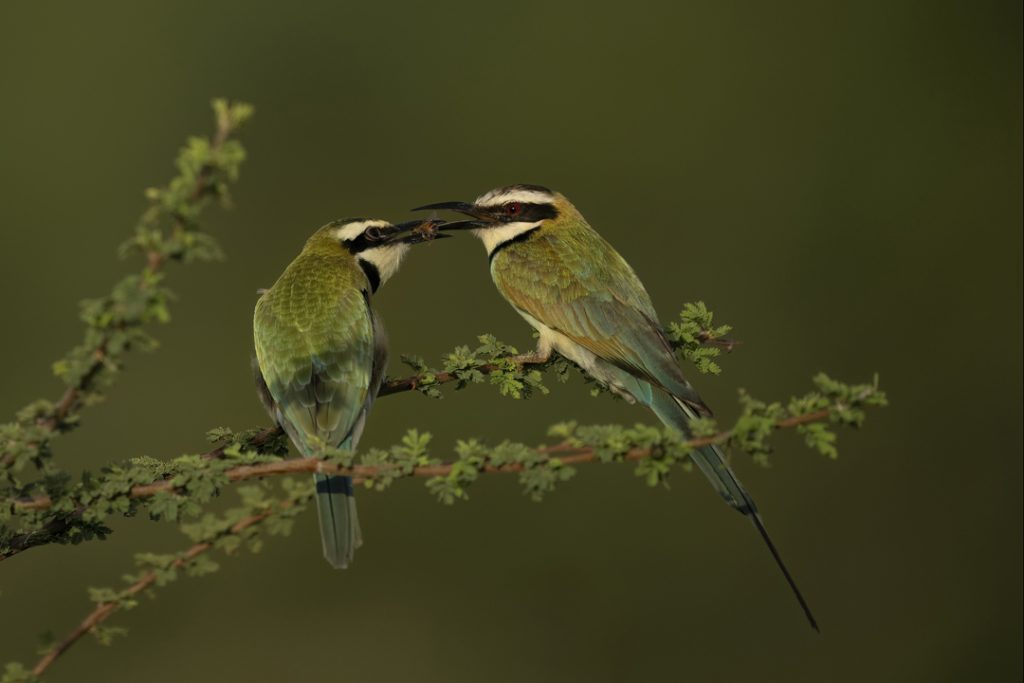
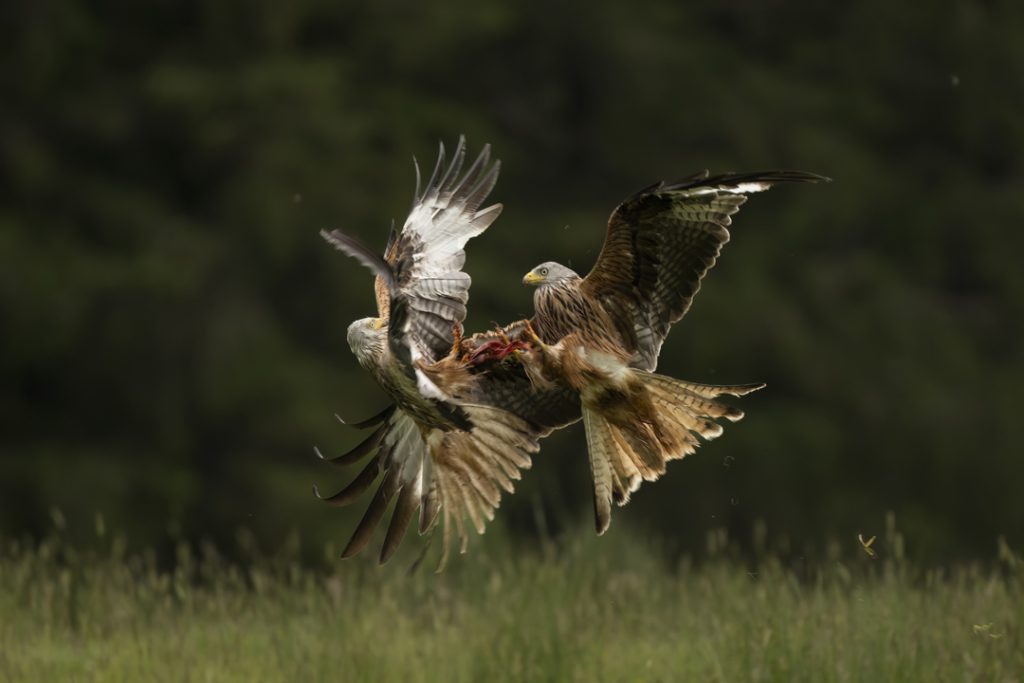
7: Put everything into your images.
Why should someone enjoy your photo more than anyone else’s?
It’s because you put something of yourself into the photo. Maybe it’s the colour, the composition, the technique, or your choice of subject. Whatever it is, art comes from your soul and your mind and your vision.
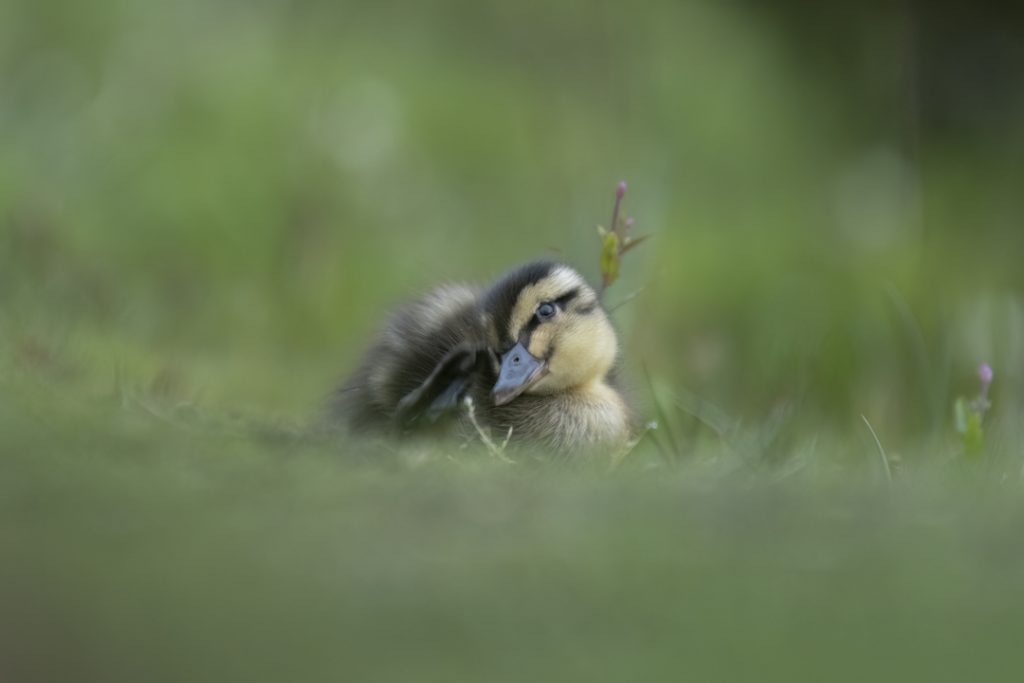
Approach your swans and ducks the same way that you would approach photographing Brown Bears in Finland or Lions in Kenya. If you approach every photography day with the same dedication and focus you will improve and develop far quicker.
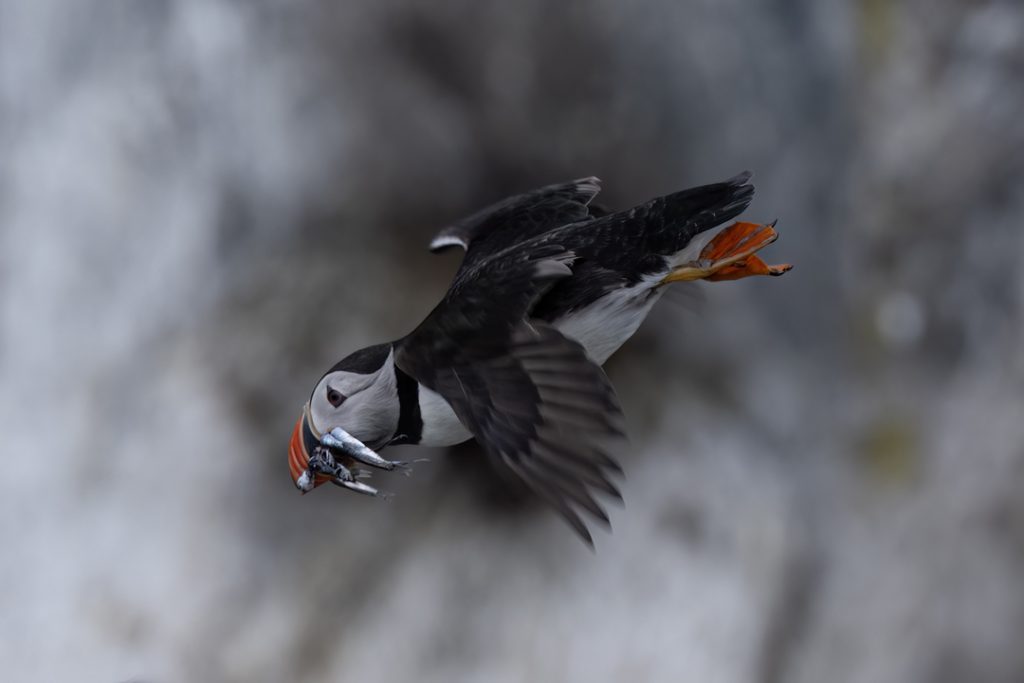
My UK wildlife images used to be awful. At one time I put so much effort and passion in to my overseas photo tours and then I’d come home and go and photograph common subjects – just so I was “out with the camera” but I never put any thought, passion or focus in to it. Straight away you could see the difference. Technically the images were fine, but there was no consideration for anything other than taking a shot. I wasn’t creating anything. This significantly changed for me during the Covid lockdown. I couldn’t travel abroad and had to focus on wildlife local to me. That is when I started to see a big improvement in my images.
8: Don’t get down if you get negative feedback.
No matter what photos you create, someone won’t like them. Others may like them, but I guarantee someone won’t like them.
You need to get to a position mentally where that’s OK.
There are types of music that I just don’t like. The people who created that music or the people who enjoy that music aren’t bothered that I don’t like it. So don’t let anyone get you down.
Create images that you like, develop your own style and don’t be afraid to make mistakes. Don’t produce images for other people, produce them for you. Styles are developed over time.
Social Media
Remember Social Media can be a cruel place when you are starting out. You post your best images in a group – for example a wildlife photography group or a specific beginner’s group and straight away its like you have submitted them for publication, you will get some people liking them or positively commenting on them, maybe lots of people. But you will always get “the experts” that will tell you everything that is wrong with the image. These people obviously forget what it is like to learn and start out. I created a private Facebook group just for my workshop and tour participants as a lot of them are or were beginners, I wanted to create a safe space for people to ask questions and post their images. The group is thriving and I love seeing the improvement in people and the fact that they want to share their images.
Another thing which can be frustrating again when using social media is when you have a genuine question that you ask in one of the photography groups and the response is “read the manual” I doubt whether anyone has read the full manual for their camera. I know I haven’t and these comments are unhelpful and really quite damaging to confidence. But there is a wealth of knowledge out there. Watch You Tube videos, look at online training courses for beginners, read books or blog posts, or consider going on a beginners workshop or find a photographic mentor.
In Summary
No matter what camera you own, IT can’t take an award-winning image. No matter how advanced technology gets this statement will always be true.
Put your camera on the ground and tell it to go take some nice wildlife photos while you sit down and have a coffee.
It doesn’t work, otherwise everyone would do it.
Even AI generated images which is the biggest threat to all photographers cannot reproduce that moment, that satisfaction that you captured that moment.
So realise that the ability and power to create a nice image only comes from you. It comes from your vision and your technique. It comes from the hours of practice that you put in. It comes from your focus and your own determination to improve and keep learning.
Rewards
The most rewarding moments for me as a photographer now come from seeing the images that my clients create and seeing the improvement in them, the little smile of satisfaction, the look of surprise that they took that image – that is priceless and It should be for you too when you learn and improve.
Wildlife Photography also has many other benefits especially with health and wellbeing, being out with nature and being outside in itself can be rewarding. Read more about my thoughts on this here.
It is worth adding here. Please be an ethical photographer. When you are learning, practice good fieldcraft and have respect for the subjects you are photographing. No image is worth deliberately disturbing an animal or bird. If you are unsure how to do this then look at booking a workshop and learn this important aspect of Wildlife Photography.
If you haven’t guessed by now. There are no real secrets to becoming a better wildlife photographer despite the title of this blog. It really comes down to hard work and a determination to be better. But as you improve and as you succeed the rewards are endless.
If you have any questions about this post then please get in touch.
If you would be interested in joining me on a workshop or tour then also please get in touch
.